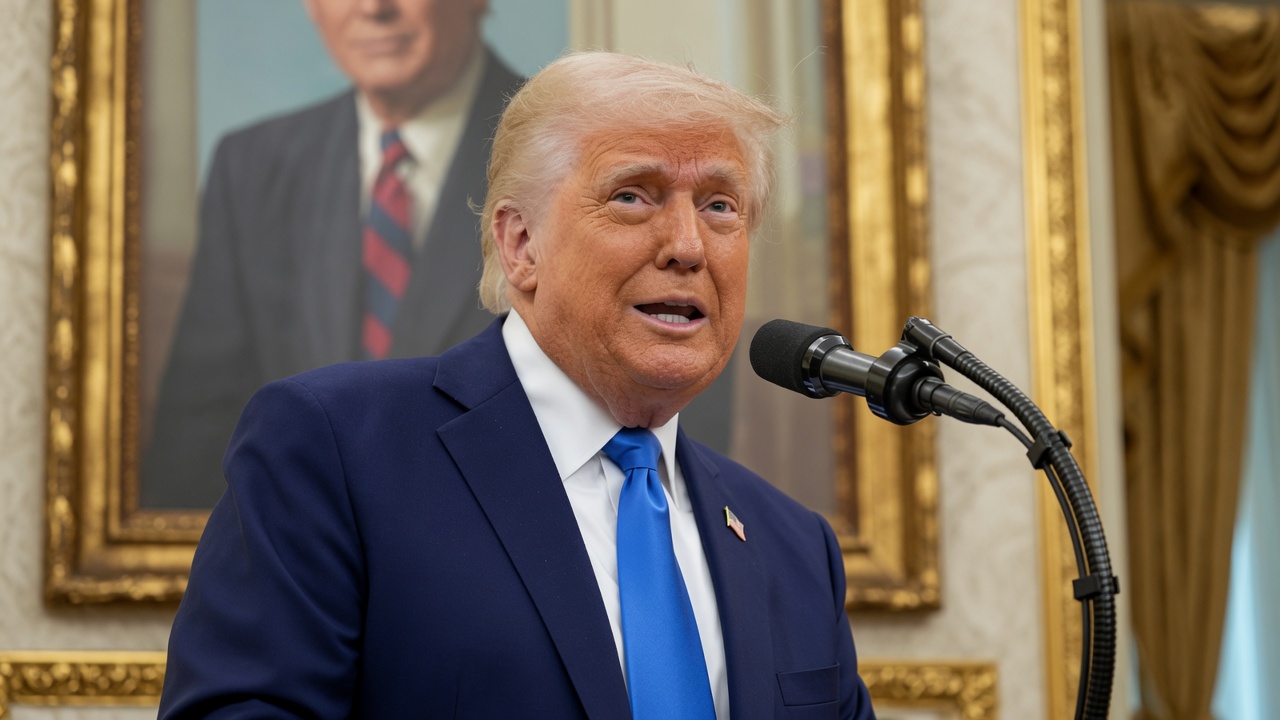
The room fell silent the moment he said it. Reporters looked up from their notebooks. Some froze in disbelief. Others immediately began typing, recognizing that the words they had just heard would dominate headlines within minutes. Standing before the cameras, President Donald Trump declared that the press was “going to change.”**
He wasn’t talking about a new communications strategy or routine policy disagreements. His comments were widely interpreted as targeting the institutions responsible for questioning those in power. Whether intended as a warning, political rhetoric, or a broader critique of the media, the remarks quickly reignited a national debate about the relationship between elected leaders and a free press.
For many journalists, the moment carried significance beyond another contentious exchange between a president and the media. It raised broader questions about the role of independent journalism in a democratic society and how news organizations should respond when political leaders sharply criticize the press.
Throughout American history, presidents have often clashed with journalists. Administrations from both parties have accused the media of unfair coverage, political bias, or sensationalism. Yet the principle that government should not determine which news organizations may operate freely—or which stories deserve to be told—has remained a cornerstone of the nation’s constitutional system.
That is why many advocates for press freedom argue that the appropriate response to heated political rhetoric is not panic, but clarity.
The first responsibility of journalism is to explain its purpose to the public—not through slogans, but through transparent reporting. An independent press exists to investigate those in power, verify information, challenge official narratives, and provide citizens with the information they need to make informed decisions. Its obligation is not to protect politicians, political parties, or public opinion. Its responsibility is to pursue accurate, verified reporting regardless of who occupies public office.
That responsibility also requires accountability. Trust in journalism is strengthened when news organizations are transparent about how they report stories, distinguish fact from opinion, promptly correct mistakes, and clearly identify sources whenever possible. In an era of intense political polarization, maintaining rigorous professional standards is essential not only for credibility but also for public confidence.
Many journalism advocates argue that criticism of the press should be met not by lowering standards or becoming more partisan, but by demonstrating a continued commitment to fairness, accuracy, and independence.
Another frequently discussed principle is solidarity within the news industry.
Although news organizations compete aggressively for readers, viewers, and exclusive reporting, many press freedom advocates contend that fundamental press rights transcend commercial competition. When concerns arise about restrictions on journalistic independence, they argue that local newspapers, television networks, digital publications, nonprofit newsrooms, and international media organizations all share a common interest in defending the principles protected by the First Amendment.
That solidarity can take many forms: public statements supporting press freedom, collaborative investigative reporting, legal assistance when constitutional questions arise, and cooperation among organizations that ordinarily compete in the marketplace. While editorial perspectives may differ, many advocates believe the defense of an independent press should remain a shared institutional commitment.
Ultimately, debates over the media are likely to continue regardless of who occupies the White House. Presidents will criticize journalists. Journalists will scrutinize presidents. That tension has existed throughout much of American history and is often viewed as an inherent feature of democratic governance rather than a flaw in the system.
The broader question is not whether elected officials should criticize the press—they have that right—but how democratic institutions respond when disagreements become more intense. Supporters of robust press protections argue that the strongest answer is continued adherence to constitutional principles, professional journalism, and the rule of law.
Their message remains straightforward: a free press exists to serve the public, not the government. Regardless of political disagreements, they contend that an independent media remains an essential safeguard of democratic accountability, and that its role should continue to be protected under the Constitution.