Biden Criticizes Trump Over Alleged Billions in Financial Gains, Raising Ethics Questions
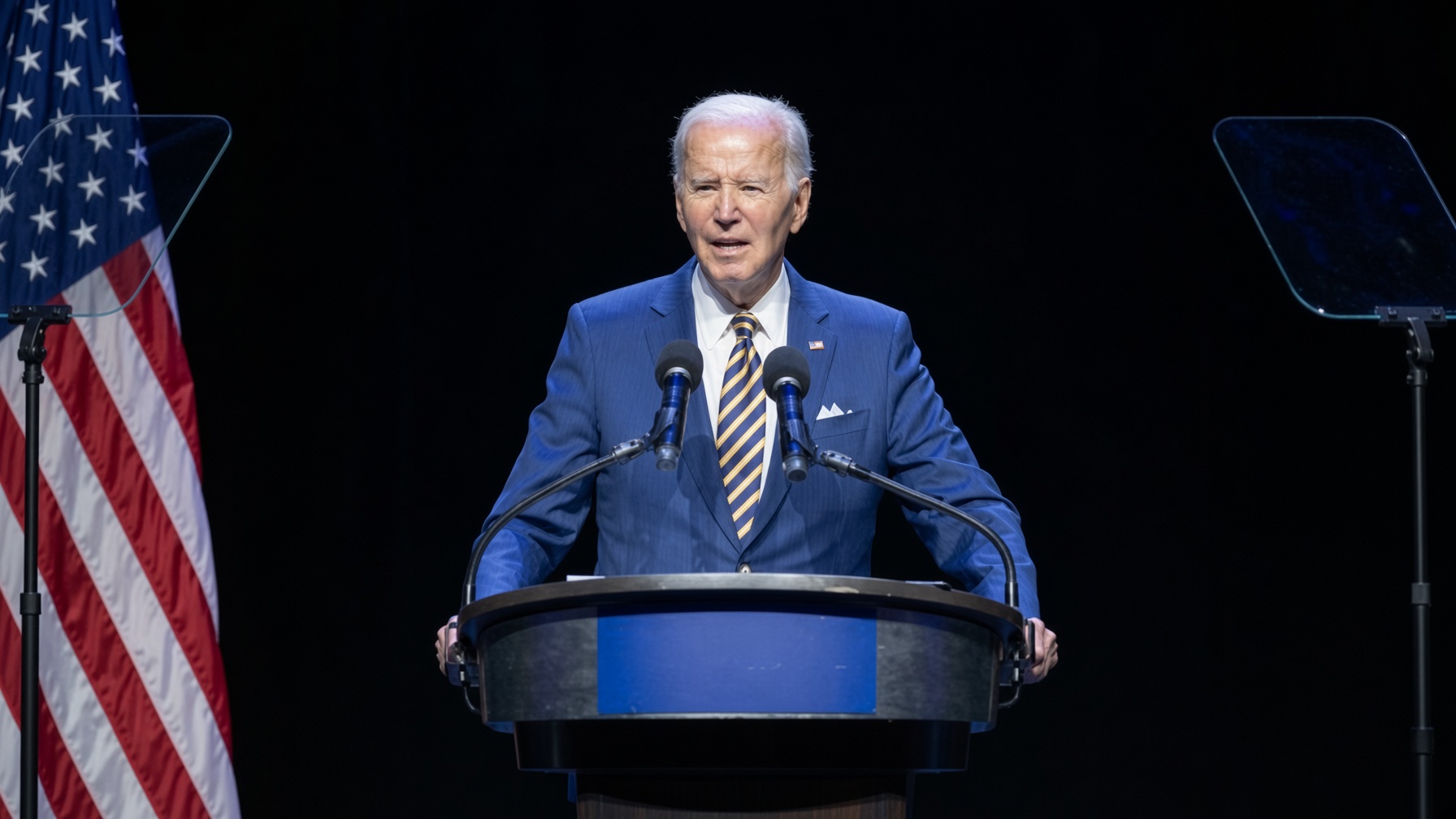
WASHINGTON, D.C. — Former President Joe Biden has sharply criticized Donald Trump over allegations that the Republican president has benefited financially from his return to the White House, renewing a broader debate over political ethics, presidential accountability, and the relationship between public office and private wealth.
In remarks described as forceful and direct, Biden accused Trump of accumulating substantial financial benefits since returning to the presidency. Biden characterized the alleged gains as “stunning” and “deeply concerning,” arguing that questions surrounding a president’s personal financial interests deserve serious public scrutiny.
However, the specific claim that Trump has made billions of dollars since returning to office has not been independently established in the information provided. Determining whether his personal wealth has increased, and whether any increase resulted from presidential decisions or other business activities, requires reliable financial records and independent analysis.
⚖️ Biden Questions the Relationship Between Power and Personal Wealth
At the center of Biden’s criticism is a longstanding concern about potential conflicts of interest involving elected officials and their private financial holdings.
Biden argued that the presidency should be viewed primarily as a position of public service rather than an opportunity for personal enrichment. He warned that the appearance of financial self-interest among political leaders can undermine public confidence in government institutions and raise questions about whose interests elected officials ultimately serve.
His remarks reflect a broader national debate over transparency, ethics rules, and safeguards designed to prevent public authority from being used for private benefit.
Presidents face unique ethical challenges because their decisions can influence financial markets, government contracts, regulatory policies, and entire industries. When a president or members of the president’s family maintain substantial business interests, questions can arise about whether official decisions could benefit those interests, even when no wrongdoing has been established.
Critics of Trump have repeatedly raised concerns about potential conflicts involving his business empire and political responsibilities. Trump and his supporters, meanwhile, have frequently rejected accusations of corruption and characterized political attacks against him as attempts to damage his reputation.
🔎 Questions About Trump’s Political Motivations
Biden also questioned whether financial considerations have played a role in Trump’s decision to seek and retain political power.
His criticism adds another dimension to the rivalry between the two political figures, whose disagreements have shaped American politics for years. Biden’s comments suggest that the issue extends beyond individual financial transactions to a larger question about the standards voters should expect from the nation’s highest elected official.
Establishing a connection between political decisions and personal financial benefits, however, requires evidence. An increase in a business owner’s estimated net worth does not, by itself, prove that public office was used improperly or that a particular policy was adopted for personal gain.
Financial disclosures, business records, independent investigations, and documented links between official actions and private interests are among the factors that can help clarify such allegations.
🏛️ Ethics and Accountability Remain Central Political Issues
The dispute comes as questions about government transparency and political accountability continue to influence the national conversation ahead of the 2026 midterm elections.
For Biden’s supporters, his criticism reinforces concerns about the ethical responsibilities that accompany presidential power. Trump’s allies are likely to view such accusations through the lens of the broader political conflict between the two camps.
Ultimately, the debate raises a fundamental question for American democracy: How can the public be confident that presidential decisions are being made in the national interest rather than for private financial advantage?
As scrutiny of political leaders continues, verified evidence and transparent financial reporting will be essential to distinguishing documented conflicts of interest from partisan allegations. The issue is likely to remain a significant point of contention as voters assess the conduct, priorities, and accountability of the country’s leadership.