OREM, Utah — Charlie Kirk, the founder of Turning Point USA, was fatally shot during a public event at Utah Valley University on Sept. 10, 2025, in an attack that sent students and witnesses fleeing and prompted a major law-enforcement investigation.
Kirk was speaking at the university when he was shot. The FBI said the shooting occurred at approximately 12:23 p.m. Mountain Time. Agents and local law-enforcement officers responded within minutes, securing the scene and beginning an investigation that would quickly become one of the most closely watched political violence cases in the country.
The FBI later confirmed that investigators recovered what they believed was the weapon used in the killing, a high-powered bolt-action rifle. Authorities found the weapon in a wooded area along the route the shooter used to flee. Investigators also collected footwear impressions, a palm print and a forearm imprint as part of the effort to identify and apprehend the person responsible.
Investigation Intensifies
In the hours following the shooting, authorities released photographs and video of a person of interest and appealed to the public for information.
The FBI offered a reward of up to $100,000 for information leading to the identification and arrest of those responsible for Kirk’s murder. The bureau also established a digital tip line and urged anyone who had photographs, videos or other information from the event to come forward.
Investigators ultimately identified and arrested a suspect. The FBI’s subsequent account said the suspect had been seen climbing onto a rooftop before the shooting and later fleeing from the area. Video released by the bureau showed the suspect jumping from the rooftop after the attack.
The investigation has focused not only on the shooting itself but also on determining the circumstances surrounding the attack and the suspect’s motives.
A National Political Figure
Kirk, who was 31, had become a prominent figure in American conservative politics through his work with Turning Point USA, the organization he founded as a young activist.
Through Turning Point USA, Kirk helped build a nationwide political organization focused on engaging young Americans in conservative politics and public debate. His campus appearances frequently attracted large audiences as well as controversy, making him a highly recognizable figure among supporters and critics alike.
His death therefore resonated far beyond the Utah Valley University campus.
Public officials from across the political spectrum condemned the killing, while supporters, colleagues and political allies mourned Kirk and expressed condolences to his family.
The attack also renewed national discussion about political violence and the security challenges surrounding public events involving prominent political figures.
Family and Community Grieve
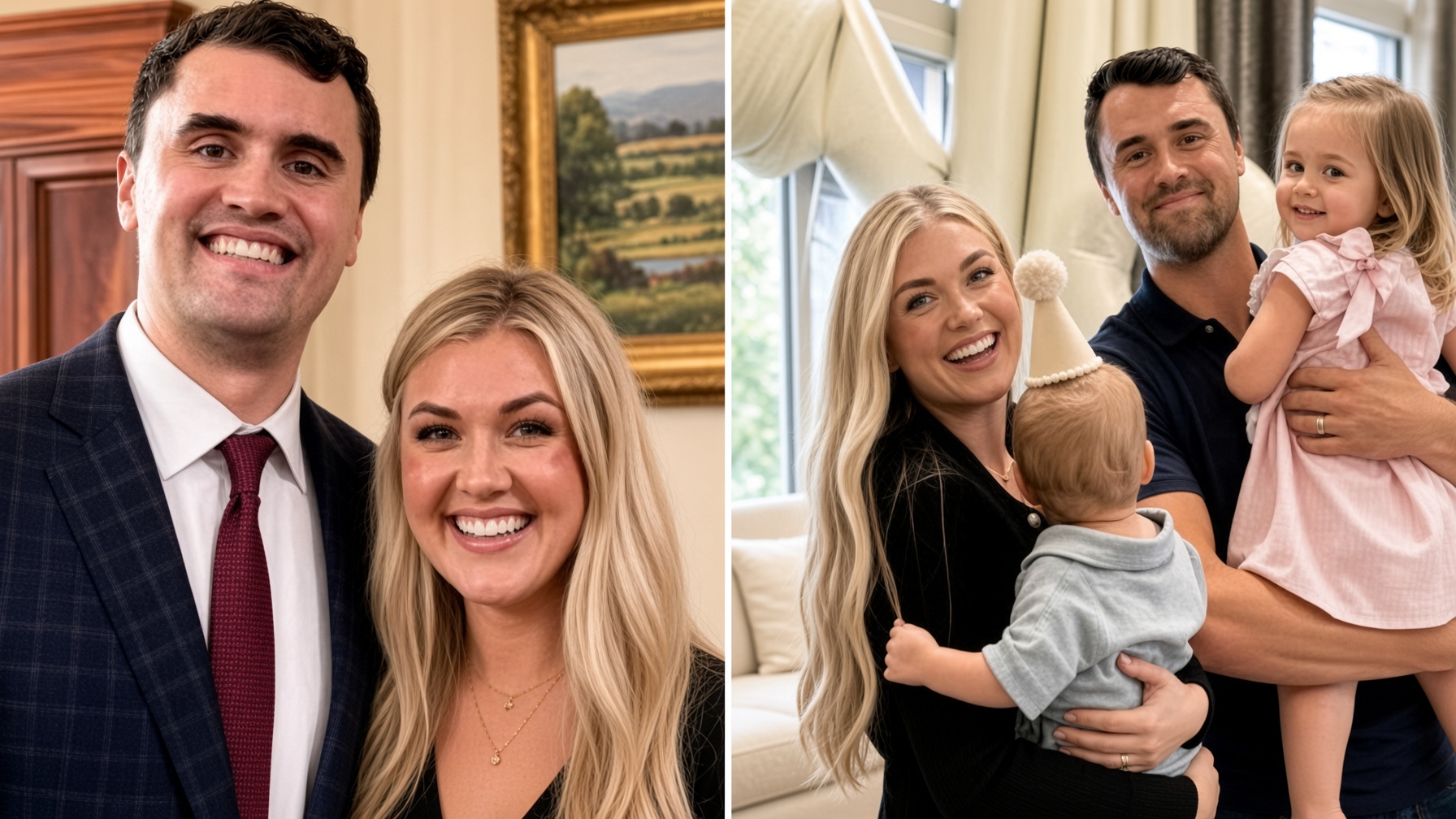
Kirk’s death left behind his wife, Erika Frantzve, their children and an extended family facing the loss of a prominent public figure as well as a husband and father.
At Utah Valley University, the shooting also left students, faculty and witnesses coping with the trauma of seeing political violence unfold on campus.
The FBI established a Virtual Family Assistance Center for people affected by the shooting, providing information and resources to victims, witnesses and others impacted by the attack.
Debate Over Political Violence
The killing quickly became part of a broader national conversation about political violence in the United States.
Kirk had built his public career around political activism, particularly among younger Americans, and his death demonstrated the risks that can accompany highly visible political engagement.
Authorities have emphasized the importance of allowing investigators to establish the facts while avoiding speculation about motive or circumstances that have not been confirmed.
The FBI has continued to describe the case as an active investigation and has worked with state and local authorities in Utah.
For Kirk’s family, colleagues and supporters, the investigation cannot erase the loss of a husband, father and political organizer. For the broader community, the shooting has left questions about how political disagreements are expressed in an increasingly polarized environment.
What began as a public campus event ended in a fatal act of violence, leaving a family grieving and a university community confronting the consequences of a shooting that quickly became a national story.