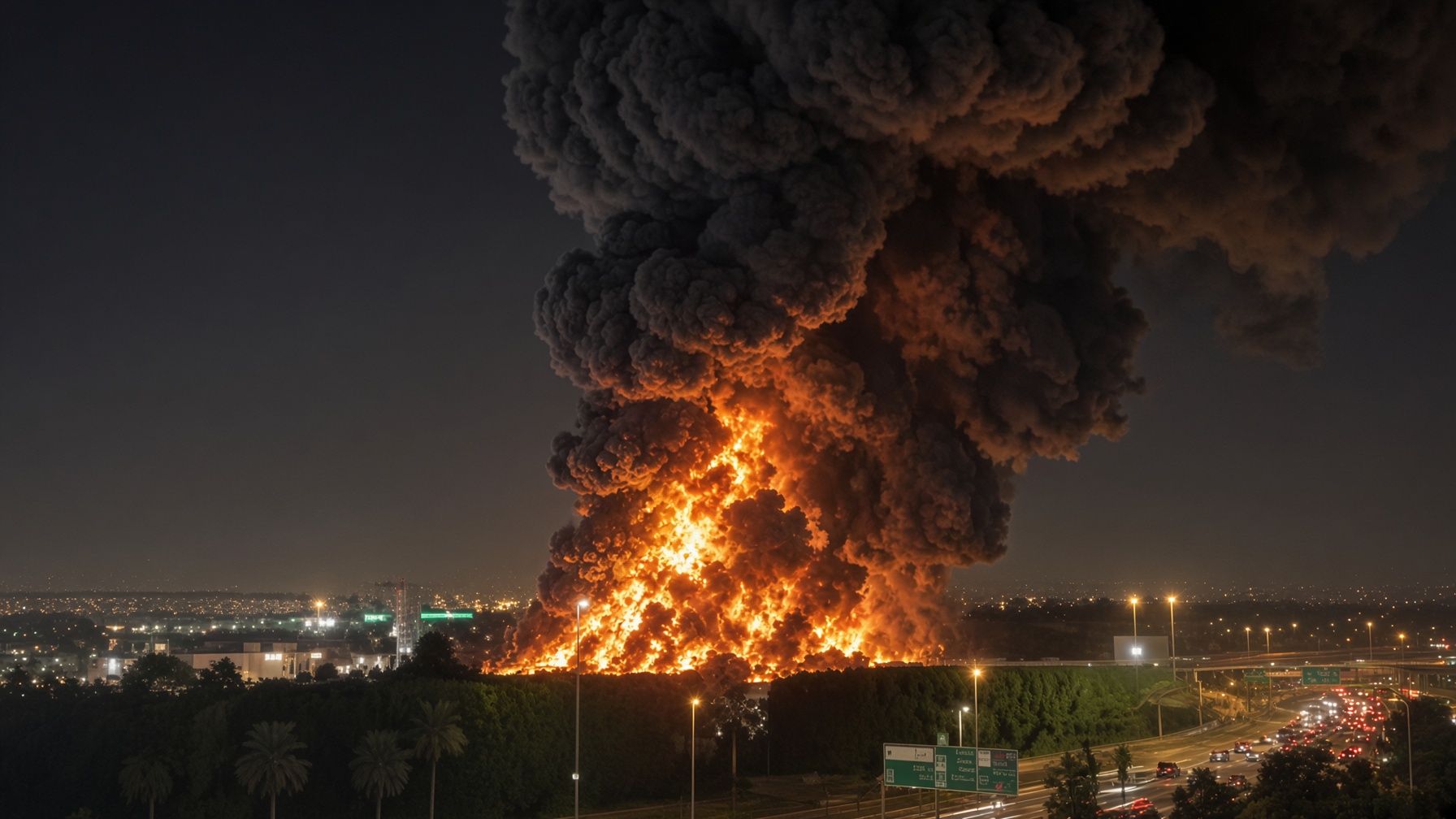
A deadly Iranian ballistic missile strike on the Israeli city of Beit Shemesh has intensified fears of a wider regional escalation, after the projectile struck a residential area near Jerusalem and caused extensive destruction.
The attack, which occurred during a heavy Iranian missile barrage, killed nine people and injured 28 others, according to Israel’s Magen David Adom emergency service. Two of the wounded were reported in serious condition, two in moderate condition and 24 with lighter injuries.
The missile struck directly in the area of a synagogue and a public bomb shelter, causing a devastating structural collapse. Emergency crews rushed into the damaged neighborhood as firefighters, military personnel, police officers and medical teams searched through rubble for survivors.
Jerusalem District Police Chief Avshalom Peled said that, according to initial assessments, most of those killed had been inside the public shelter when the missile hit. The force of the impact destroyed the synagogue above the shelter and severely damaged surrounding buildings and homes.
The incident has raised difficult questions about both the effectiveness of Israel’s missile defenses and the protection provided by the shelter itself. The Israeli military said an investigation was underway into why the ballistic missile was not intercepted. Authorities also began examining the structural integrity of the shelter and the circumstances surrounding the unusually destructive impact.
Rescue Operation Unfolds Amid Devastation
The scene in Beit Shemesh quickly became one of destruction and confusion. Buildings were damaged, debris covered the surrounding streets and emergency personnel worked through unstable structures while attempting to locate anyone who might still be trapped.
The impact occurred after warning sirens sounded across large portions of Israel, giving residents an opportunity to seek protection. According to the Israeli military, the Home Front Command’s early-warning system functioned and the alert was activated before the missile struck.
Despite the warning, the direct impact demonstrated the limits of even a sophisticated missile-defense network when a ballistic missile penetrates the defensive system.
The tragedy also underscored the importance of shelters during periods of sustained missile fire. Residents who had followed emergency instructions and sought protection nevertheless found themselves facing catastrophic destruction when the missile struck directly above the shelter.
President Isaac Herzog later visited the impact site and was briefed by local officials and emergency responders. The president described the attack as a devastating event and stressed the need for Israel to remain resilient amid the continuing conflict.
Regional Tensions Continue to Rise
The Beit Shemesh strike occurred against the backdrop of a rapidly escalating confrontation between Israel and Iran. Iranian forces launched a series of missile and drone attacks following Israeli and U.S. military operations against Iran, creating fears that the conflict could spread further across the Middle East.
Reports indicated that Iranian attacks extended beyond Israel to other locations in the region, while Israeli forces continued conducting operations against Iranian military capabilities.
The renewed exchange of fire has placed civilians across the region in an increasingly dangerous position. For residents of Israeli cities, each warning siren now carries the possibility of another direct impact, while emergency services remain under pressure to respond to simultaneous incidents.
In Beit Shemesh, the immediate priority was rescuing victims and accounting for the dead and injured. But the attack also raised broader questions about what comes next.
With military operations continuing and both sides signaling determination to pursue their objectives, the possibility of additional missile attacks remains a major concern.
For the families affected by the strike, however, the geopolitical consequences are secondary to the immediate human tragedy. Nine people lost their lives in a matter of seconds, while dozens more were injured and an entire community was left confronting destroyed homes, damaged buildings and the trauma of an attack that struck while people were seeking safety.
The Beit Shemesh strike has become a stark reminder of the human cost of the escalating conflict—and of how quickly a regional confrontation can turn a warning siren into an irreversible tragedy.