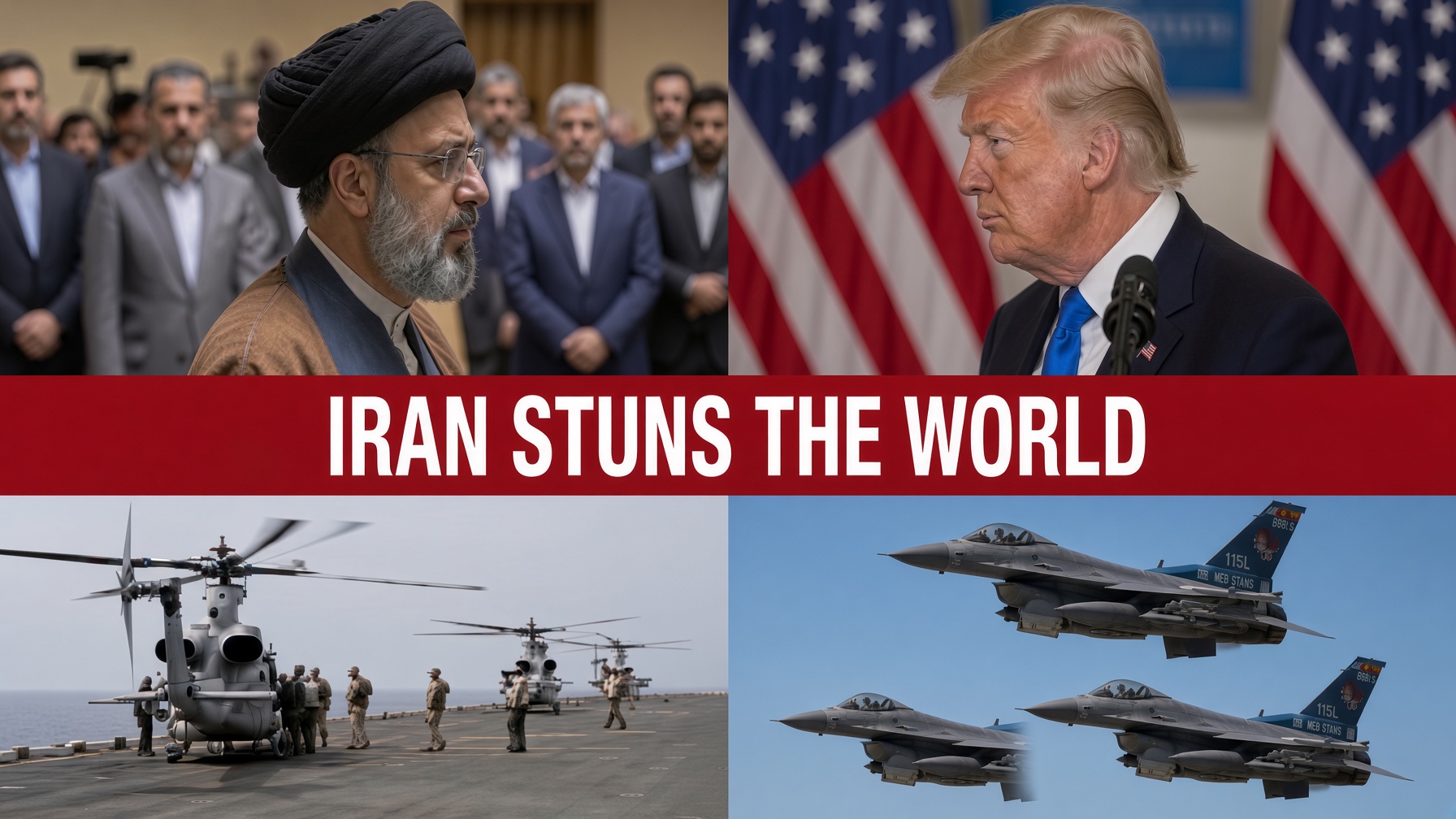
WASHINGTON — Efforts to resolve the prolonged conflict between the United States and Iran remain uncertain as Washington continues to apply military and economic pressure on Tehran while diplomatic channels remain under strain.
The Trump administration has repeatedly identified the Strait of Hormuz as a central issue in its confrontation with Iran. The strategically important waterway is a major route for global energy shipments, and restrictions on maritime traffic have contributed to continued uncertainty in international energy markets.
Secretary of State Marco Rubio has previously said Washington was involved in discussions concerning safe passage through the strait, while emphasizing that broader negotiations over Iran’s nuclear program would be more difficult and consequential. In August, Rubio said progress had been made in discussions involving Iran and Oman but cautioned that progress did not mean a final agreement had been reached.
Diplomatic Efforts Face New Obstacles
The diplomatic situation has since become more complicated.
Recent reporting indicates that negotiations aimed at resolving the broader conflict have stalled, with the cease-fire reached earlier in the year having broken down. The United States has continued imposing economic pressure on Iran, while military confrontations have resumed.
Reuters reported Sunday that Washington is maintaining a naval blockade and stringent sanctions intended to restrict Iran’s oil exports and access to foreign currency. The report said the dispute over the Strait of Hormuz remains an important part of the broader confrontation, although Iran has continued to resist key U.S. demands.
The renewed tensions have also affected financial markets and energy concerns across the Gulf. Reuters reported that regional markets remained cautious Sunday as Iran warned of retaliation against further U.S. actions.
Military Pressure Continues
Military operations have continued alongside diplomatic efforts.
The latest escalation follows renewed U.S. strikes against Iranian military targets and subsequent Iranian missile and drone attacks against U.S. forces and regional partners. The Associated Press reported that recent American strikes targeted Iranian air-defense systems, radar sites and other military infrastructure.
The developments represent a significant departure from earlier efforts to maintain a cease-fire while negotiators explored a potential diplomatic settlement.
Washington has continued to link any long-term resolution to concerns over Iran’s nuclear capabilities, while Tehran has sought relief from sanctions and other economic restrictions.
No Final Agreement in Sight
Despite earlier claims of progress, there is currently no confirmed comprehensive agreement between Washington and Tehran.
U.S. Energy Secretary Chris Wright said Sunday that the United States might not reach a new nuclear agreement with Iran under the current circumstances. He described negotiations as stalled and said a future agreement could depend on changes in Iran’s political leadership.
The uncertainty leaves the Strait of Hormuz at the center of both the diplomatic and military confrontation. Washington wants reliable freedom of navigation and restrictions on Iran’s nuclear capabilities, while Tehran continues to resist U.S. demands and has warned against further military pressure.
For now, the conflict remains unresolved. Diplomatic channels have not produced a comprehensive settlement, military confrontations continue and the economic consequences of the standoff remain significant.
Any eventual agreement would likely require negotiations over multiple issues, including nuclear restrictions, sanctions, maritime security and the future status of the Strait of Hormuz. Until those disputes are resolved, the prospect of a durable U.S.-Iran settlement remains uncertain.