The conflict between Israel and Iran has entered a dramatic new phase, with sustained military operations, retaliatory missile attacks and growing international concern reshaping the strategic landscape of the Middle East.
According to the supplied account, Israel and the United States launched a coordinated offensive on February 28, 2026, marking a major departure from years of containment efforts aimed at limiting Iran’s nuclear and missile capabilities.
From Containment to Full-Scale Conflict
For more than two decades, Israel has regarded Iran’s nuclear ambitions as a major national-security threat. Intelligence operations, cyberattacks, diplomacy and targeted military actions were used in an effort to slow Iran’s nuclear development and missile programs.
The supplied account says Israeli intelligence assessments late in 2025 concluded that Iran was moving closer to a nuclear capability that would become increasingly difficult to counter. Political instability inside Iran following unrest in January 2026 reportedly added another dimension to Israeli strategic calculations.
On February 23, Prime Minister Benjamin Netanyahu reportedly briefed President Donald Trump about the location and timing of a senior Iranian leadership gathering. Five days later, Israeli and American forces launched a major offensive against targets across Iran.
Leadership and Military Targets
The opening strikes reportedly focused on missile facilities, air-defense systems, command centers and other strategically important installations.
One of the most consequential claims in the supplied account is the reported killing of Supreme Leader Ayatollah Ali Khamenei during an attack on a leadership compound in Tehran. Iranian authorities reportedly confirmed his death on March 1.
If confirmed as described, the elimination of Iran’s highest-ranking political and religious leader would represent an extraordinary development with potentially far-reaching consequences for the country’s government, military command structure and regional alliances.
Subsequent Israeli operations reportedly expanded across Iran, striking military and energy infrastructure. Facilities associated with oil and gas production, including sites around Tehran, South Pars and Kharg Island, were reportedly targeted.
Nuclear Facilities and Iranian Retaliation
Iran’s nuclear infrastructure also became a central focus of the campaign. The Natanz enrichment complex was reportedly among the sites targeted, intensifying fears that the conflict could evolve into a broader confrontation involving nuclear-related facilities.
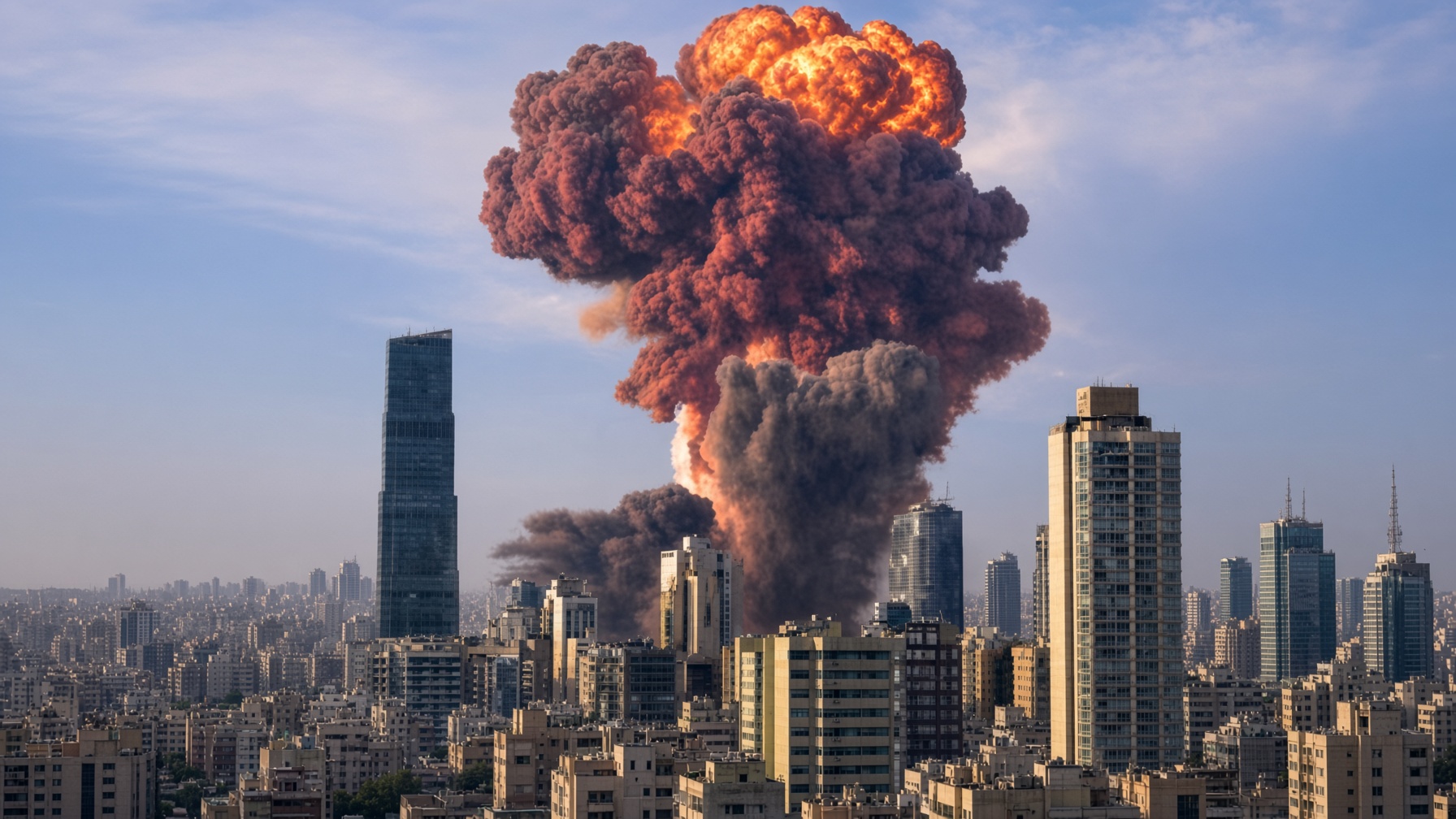
Iran responded with ballistic missile attacks against Israel. Although Israeli air-defense systems reportedly intercepted many of the incoming missiles, some projectiles and falling debris caused deaths, injuries and property damage.
The supplied account says one of the deadliest incidents occurred in Beit Shemesh, while subsequent attacks affected areas including Dimona and Arad.
Humanitarian and Regional Consequences
The humanitarian toll has become one of the conflict’s most serious consequences. The supplied report cites thousands of deaths and more than 12,000 injuries in Iran, while alleging extensive damage to civilian infrastructure, including medical facilities.
The conflict has also spread beyond Iran and Israel. Israeli operations against Hezbollah in Lebanon reportedly displaced nearly one million people and caused more than 1,000 deaths, including children.
Meanwhile, disruptions involving Iranian energy infrastructure and shipping routes have added pressure to global energy markets. Concerns surrounding the Strait of Hormuz have further heightened fears of an economic shock.
International Pressure
The campaign has generated sharply divided international reactions. Washington has provided substantial support, while other governments have expressed concern over civilian casualties, regional escalation and the legality of military operations.
The United Nations and several governments have called for restraint and diplomatic efforts to prevent the conflict from expanding further.
As fighting continues, the long-term consequences remain uncertain. The campaign has already altered regional calculations involving Israel, Iran, Hezbollah and other armed groups.
Whether the conflict ultimately produces a new security balance—or triggers a much wider regional war—will depend on military developments, diplomatic negotiations and the decisions made by leaders in the days and weeks ahead.