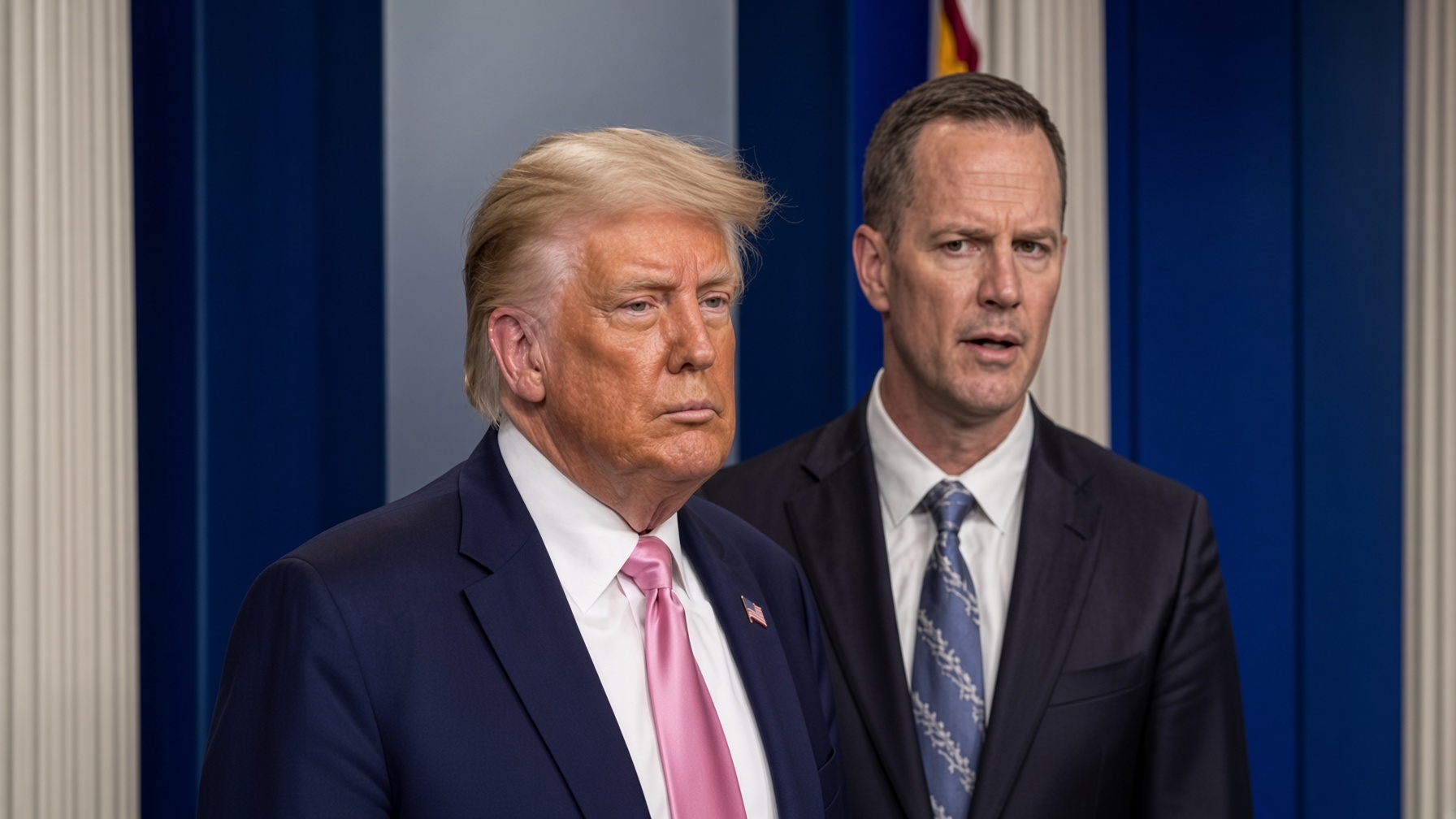
WASHINGTON — Washington, D.C., has entered a new and increasingly contentious phase in its ongoing debate over public safety after President Donald Trump’s decision to place the city under expanded federal control.
The move rapidly changed the visible security presence across the nation’s capital. Federal personnel and law-enforcement resources became more prominent on city streets, while residents and community organizations adjusted to a dramatically altered atmosphere.
Supporters of the approach argue that the intensified federal presence has brought a stronger focus to crime and public safety. Some residents say they feel more comfortable in their neighborhoods and believe authorities are finally responding aggressively to concerns that have persisted for years.
For those residents, the increased enforcement represents a long-awaited effort to restore order and reassure communities that public safety remains a priority.
But the response has also exposed deep concerns among other residents, particularly those worried about the broader consequences of expanded federal enforcement.
Security Measures Create Unease
Community advocates say some residents are increasingly uncertain about how the new enforcement environment could affect their daily lives. Immigrant communities, in particular, have expressed concerns about possible encounters with federal immigration authorities, while families have questioned how the changes could affect children and neighborhood activities.
Those concerns have fueled a broader debate over whether a stronger law-enforcement presence necessarily produces a greater sense of security for everyone.
The situation has also created questions about coordination among the numerous agencies operating throughout Washington. Local police, federal authorities and specialized task forces may work simultaneously in the same areas, raising questions among residents about jurisdiction, command structures and responsibility during major incidents.
Officials have emphasized the importance of coordination as the expanded security operation continues.
Crime and Public Confidence
The administration has presented the federal intervention as part of a broader effort to address crime and restore public confidence in Washington.
Supporters point to changes in reported crime and increased enforcement activity as evidence that the strategy can produce results. However, evaluating the long-term impact requires more than short-term statistics. Crime trends can be influenced by numerous factors, including policing levels, reporting patterns, economic conditions and changes in community behavior.
For residents, meanwhile, perceptions of safety can be just as important as official statistics.
A neighborhood may experience fewer reported crimes while residents remain concerned about how enforcement is being carried out. Conversely, a highly visible police presence can reassure some communities while making others feel watched or threatened.
A National Debate
Washington’s transformation has therefore become more than a local public-safety dispute. It has developed into a national conversation about the proper balance between federal authority, local government, public safety and civil liberties.
The central question is increasingly whether aggressive enforcement can improve security while maintaining public trust and protecting constitutional rights.
As federal and local authorities continue adapting to the new arrangement, residents are watching closely for evidence of how the policy affects crime, daily life and relationships between communities and law enforcement.
For Washington, the debate is far from settled. The city’s new security landscape has created both expectations of greater safety and concerns about the price of achieving it—ensuring that questions of accountability, transparency and civil liberties will remain at the center of the national discussion.