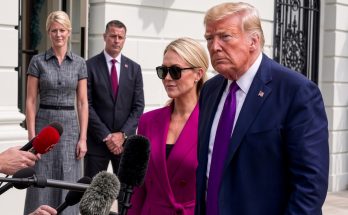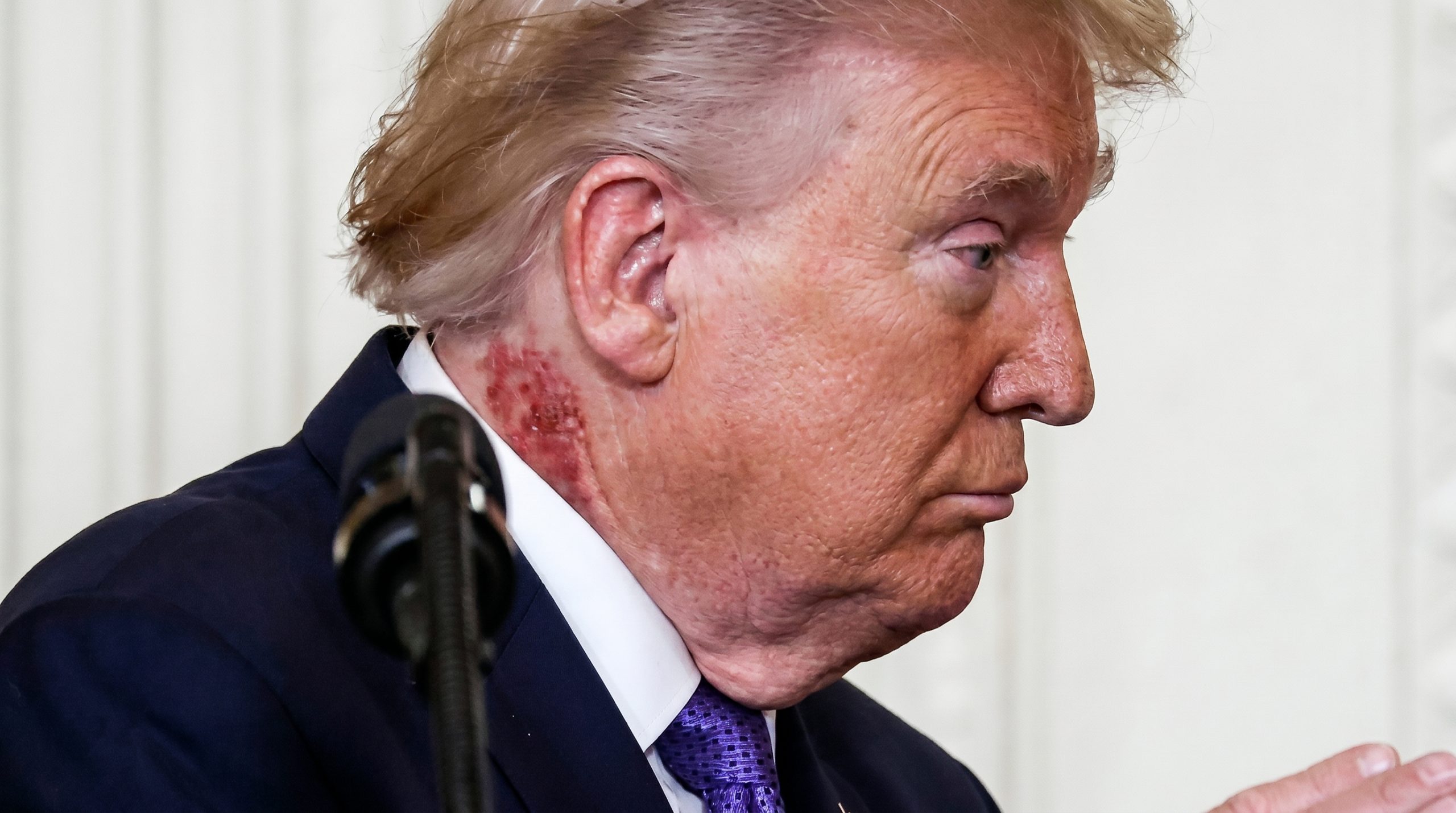
In an era where information travels across the globe within seconds, even routine changes to the schedule of a prominent public figure can trigger widespread speculation. That dynamic was recently on display when a series of adjustments to former U.S. President Donald Trump’s public calendar sparked a wave of online rumors regarding his health, generating intense discussion across social media platforms and political circles.
The episode quickly evolved into a major online story, illustrating how unverified claims can gain momentum in the absence of immediate official information. While no evidence emerged to support the more dramatic allegations circulating online, the incident highlighted the challenges public figures face in managing misinformation in a rapidly evolving digital environment.
The speculation appears to have originated after reports surfaced that Trump would not attend several previously anticipated events. Although schedule changes are not uncommon for political figures and public personalities, the adjustments drew unusual attention due to Trump’s highly visible public profile and active campaign-related schedule.
Shortly after the changes became public, social media users began sharing posts claiming that Trump had experienced a medical emergency and had allegedly been transported to Walter Reed National Military Medical Center. Despite the absence of confirmation from any official source, the claims rapidly spread across multiple platforms, including X, Facebook, discussion forums, and various independent news aggregation sites.
As the rumors gained visibility, some online commentators began presenting the allegations as factual developments rather than unverified reports. This contributed to growing confusion among supporters, critics, journalists, and political observers seeking accurate information about the former president’s condition.
The rapid spread of the rumors underscored the powerful role social media algorithms play in shaping public conversations. Content that generates strong emotional reactions often receives increased visibility, regardless of whether the underlying claims have been verified.
Posts suggesting a potential health crisis involving Trump attracted significant engagement, including millions of views, shares, comments, and reactions. The resulting surge in activity amplified the narrative and allowed the speculation to reach audiences far beyond its original sources.
Media analysts note that similar situations have become increasingly common in recent years. In the absence of verified information, online communities frequently attempt to fill informational gaps with theories, assumptions, and interpretations, many of which can spread faster than subsequent corrections.
Health-related rumors involving major political figures often attract extraordinary public attention due to the potential implications for elections, policy discussions, and national political dynamics. As a result, even unconfirmed reports can quickly become the focus of widespread scrutiny.
Political observers pointed out that Trump’s prominence within American politics contributed significantly to the intensity of the reaction. Supporters expressed concern and sought clarification, while critics and commentators closely monitored developments as speculation continued to grow.
The situation demonstrated how uncertainty alone can become a powerful driver of online engagement, particularly when it involves individuals whose activities are closely followed by both domestic and international audiences.
As online speculation intensified, official representatives moved to address the rumors directly. Statements released by individuals associated with Trump rejected reports that he had been hospitalized or suffered a medical emergency.
According to those statements, Trump remained at his residence and continued to conduct normal activities. Representatives emphasized that the online reports were inaccurate and that there had been no emergency medical situation requiring hospitalization.
The response was intended to provide clarity, counter misinformation, and reassure members of the public who had become concerned after encountering the viral claims. Officials also stressed the importance of relying on verified information rather than social media speculation when evaluating reports concerning public figures.
Beyond the immediate controversy, the incident serves as another example of the broader challenges posed by misinformation in the digital age. The speed at which rumors can spread often exceeds the pace at which facts can be confirmed, creating an environment where inaccurate narratives may gain substantial traction before corrections become widely visible.
Experts in media and communications frequently emphasize the importance of verification, source evaluation, and responsible sharing practices. In highly visible situations involving public officials, celebrities, or major news events, these principles become especially important because inaccurate information can influence public perception and shape broader discussions.
While the rumors surrounding Trump’s health were ultimately challenged by official statements, the episode demonstrates how quickly online speculation can evolve into a national conversation. It also highlights the continuing need for critical evaluation of information, particularly when claims emerge from unofficial sources and spread rapidly through social media networks.
As digital platforms continue to play a central role in public discourse, incidents such as this are likely to remain a recurring feature of the modern information landscape, underscoring the ongoing tension between speed, visibility, and accuracy in the dissemination of news.