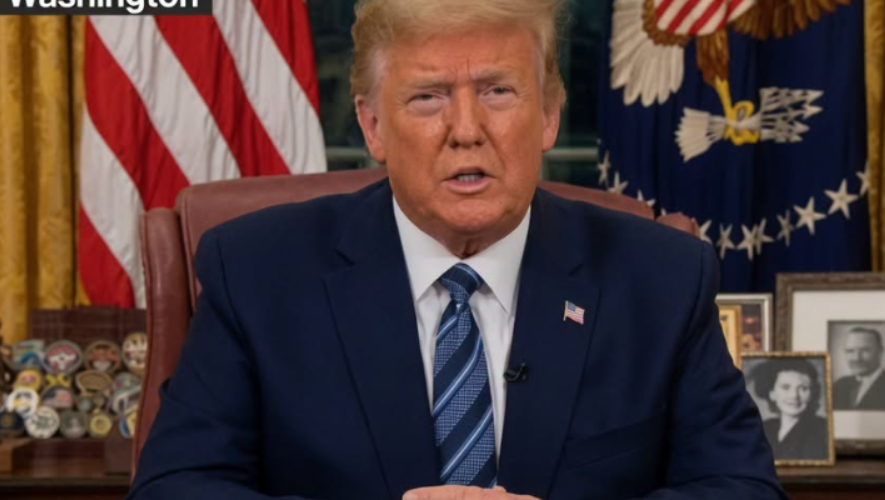
Washington, D.C., has entered a new and contentious phase following President Donald Trump’s decision to increase federal control and deploy additional resources in the nation’s capital, prompting contrasting reactions from residents, officials and community advocates.
The expanded federal presence has brought a highly visible security operation to city streets, with additional personnel and law-enforcement resources deployed in areas affected by public-safety concerns. Supporters of the move argue that stronger enforcement is necessary to address crime and restore confidence among residents and businesses.
Some Washington residents say the increased presence has made them feel safer. They describe quieter neighborhoods and fewer reports of street-level disorder, arguing that a more aggressive approach is long overdue after years of debate over how best to address public safety.
Others, however, say the operation has created a different kind of uncertainty.
Civil-rights and community advocates have raised concerns about the expanded role of federal authorities, particularly among immigrant families and other communities that may already be cautious about interactions with law enforcement. Some residents say they are uncertain about which agencies have authority in particular situations as federal personnel operate alongside local police.
The overlapping presence of federal agencies, the Metropolitan Police Department and specialized law-enforcement teams has also raised questions about coordination and accountability.
The debate extends beyond crime statistics and police deployments. At its center is a larger question about how Washington should balance public safety with civil liberties and public trust.
Supporters of the administration’s approach argue that government has a responsibility to protect residents and respond decisively when communities experience persistent crime. Critics counter that aggressive enforcement can create fear and undermine cooperation between residents and authorities if people believe they may face unnecessary scrutiny or enforcement actions.
The effects are likely to remain a subject of intense debate as Washington adjusts to the expanded federal presence.
For some residents, the changes represent a long-awaited response to concerns about safety. For others, they have introduced new worries about government power, enforcement and individual rights.
As the operation continues, the central question facing Washington is how to achieve lasting public safety while maintaining transparency, accountability and trust in the institutions responsible for protecting the capital’s residents.
The developments have ensured that Washington remains at the center of a broader national discussion over policing, federal authority, public safety and civil liberties.