Rubio Revokes Legal Status of Pardoned Minnesota Sex Offender, Clearing Way for Deportation
Secretary of State Marco Rubio says the Trump administration has revoked the U.S. legal status of Tou Lue Vang, a Laotian national convicted of sexually assaulting a 10-year-old girl, after Vang received a pardon from Minnesota Gov. Tim Walz.
The move represents a direct clash between state clemency authority and the federal government’s power to enforce immigration law. According to the administration, Vang had already been subject to a final order of removal following his criminal conviction, but his Minnesota pardon threatened to complicate the federal government’s ability to remove him from the country.
The Minnesota Board of Pardons—which includes Walz, Attorney General Keith Ellison and Minnesota Supreme Court Chief Justice Natalie Hudson—granted Vang clemency on June 10. The decision immediately drew criticism from Republican lawmakers and immigration-enforcement advocates, who argued that a state pardon should not prevent federal authorities from enforcing immigration consequences stemming from a serious criminal conviction.
Vang came to the United States as a child refugee from Laos in 1994. Court records show that he was convicted in 2006 of first-degree criminal sexual conduct involving the repeated sexual abuse of a 10-year-old girl between 2002 and approximately 2005.
Under a plea agreement, Vang avoided a lengthy prison sentence. He received a stayed 12-year sentence, served eight months in a county workhouse and was placed on supervised probation. His probation was eventually discharged in 2019.
Following the conviction, however, Vang faced immigration consequences. An immigration judge issued a final order of removal in 2006, according to the information provided by federal officials.
Rubio said the administration acted after Vang’s pardon and subsequent release created concerns that he could remain in the United States despite the existing removal order.
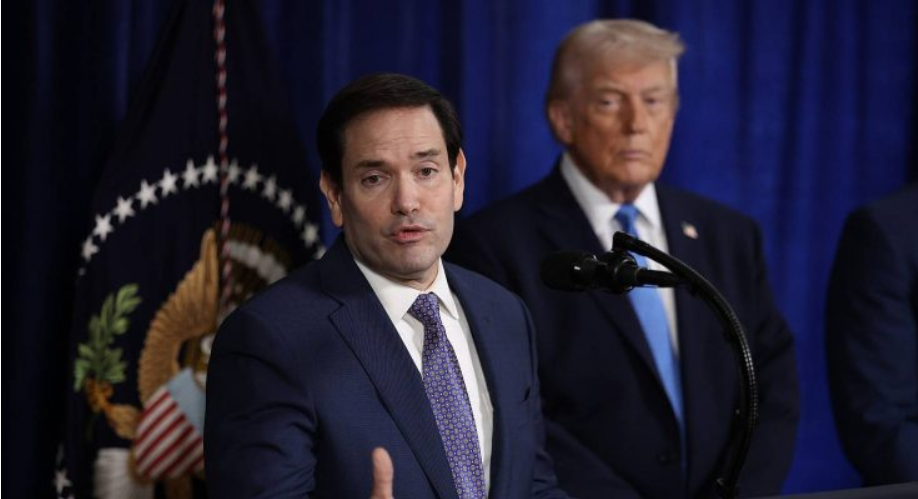
In a statement posted online, Rubio said the State Department terminated Vang’s legal status and that federal authorities subsequently took him into custody before removing him from the United States.
“Because of our action, this foreign criminal will never pose a threat to any American ever again,” Rubio said.
The Department of Homeland Security also sharply criticized Walz’s decision, arguing that the pardon could have undermined the federal government’s immigration enforcement efforts.
Minnesota Republicans joined the criticism. State House Republican Floor Leader Harry Niska described the pardon as “despicable” and accused state officials of placing the interests of a convicted criminal above public safety.
The controversy also highlights an important legal distinction: a state pardon does not automatically eliminate federal immigration consequences. State governments can grant clemency for state criminal offenses, but immigration enforcement remains governed primarily by federal law.
That distinction became central to the Trump administration’s response. Federal officials argued that even though Vang received clemency at the state level, Washington retained authority to determine his immigration status and enforce federal removal proceedings.
The administration has portrayed the case as an example of what it considers the limits of so-called sanctuary policies and state-level efforts that could interfere with federal immigration enforcement.
For the Trump administration, the episode also reinforces a broader message: serious criminal convictions involving noncitizens will remain a major priority in its immigration agenda, regardless of whether state officials later grant clemency.
The case is likely to fuel an ongoing national debate over the boundaries between state pardon powers and federal immigration authority—and over whether state clemency decisions should have any effect on the deportation of noncitizens who have been convicted of serious crimes.