Secretary of State Marco Rubio has revoked the U.S. legal status of Tou Lue Vang, a Laotian national convicted of sexually assaulting a 10-year-old girl, clearing the way for federal authorities to take him into custody and remove him from the United States, according to the account provided.
The action came weeks after Minnesota’s Board of Pardons unanimously granted clemency to Vang on June 10. The board includes Gov. Tim Walz, Attorney General Keith Ellison and Chief Justice Natalie Hudson.
Vang arrived in the United States as a child refugee from Laos in 1994. In 2006, he pleaded guilty to first-degree criminal sexual conduct stemming from repeated sexual assaults involving a 10-year-old girl between 2002 and approximately 2005.
Under a plea agreement, Vang avoided a prison sentence but received a stayed 12-year sentence, eight months in a county workhouse and 30 years of supervised probation. His probation was discharged in 2019.
Court records cited in the account indicate that Vang later attempted to pay the victim for her silence and characterized his crimes as “minor things.”
Following his conviction, Vang lost his legal immigration status and was placed into removal proceedings. An immigration judge issued a final order of removal in 2006.
The Minnesota pardon, granted shortly before his expected deportation, became the center of a dispute over the interaction between state clemency powers and federal immigration law. Critics argued that removing the underlying state convictions could potentially interfere with the federal government’s ability to enforce the existing removal order.
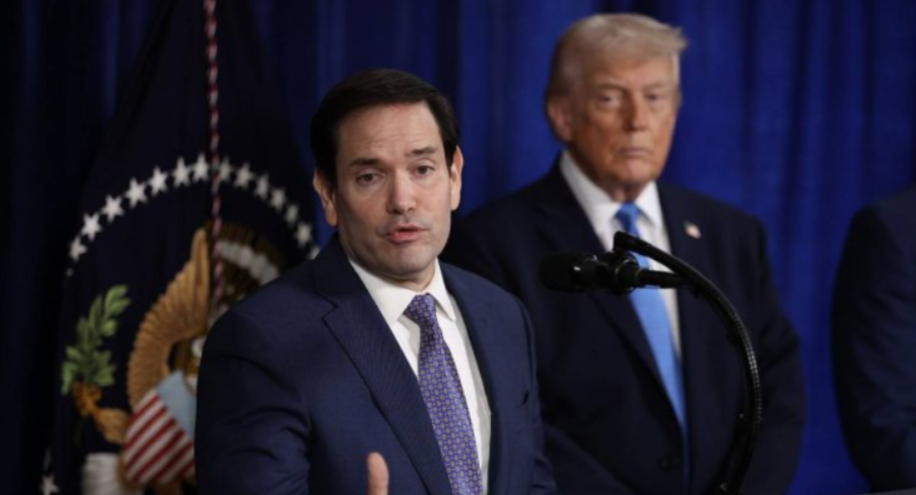
Rubio announced that the federal government had taken action against Vang’s immigration status and that federal agents subsequently detained him. According to Rubio’s account, Vang was removed from the United States after the federal government revoked his legal status.
The secretary portrayed the case as an example of the Trump administration’s determination to prioritize immigration enforcement involving individuals convicted of serious crimes.
The Department of Homeland Security also condemned the Minnesota pardon. Acting Assistant Secretary Lauren Bis argued that Vang’s conviction had been the basis for his removal proceedings and criticized Minnesota officials for granting clemency while federal immigration proceedings were underway.
The case has generated sharp political criticism in Minnesota as well. Republican state lawmakers have condemned the pardon, arguing that clemency should not be used in circumstances where it could interfere with federal immigration enforcement or public-safety measures.
The controversy also highlights a significant legal distinction between state and federal authority. A state pardon can provide relief from certain consequences of a criminal conviction under state law, but it does not automatically eliminate every federal immigration consequence associated with a person’s criminal history.
That division of authority has become increasingly important as the Trump administration expands immigration enforcement and emphasizes the removal of noncitizens convicted of serious offenses.
The Vang case has therefore developed into more than a dispute over one pardon. It has raised broader questions about the limits of state clemency, federal immigration authority and the responsibilities of elected officials when state and federal enforcement priorities collide.
While supporters of the federal action say it demonstrates that immigration enforcement remains under federal control, critics of the Minnesota pardon have focused on the circumstances surrounding the clemency decision itself.
The case ultimately underscores the complicated intersection of criminal justice, executive clemency and immigration law—and the continuing tensions between state authority and the federal government over how serious criminal convictions should affect a noncitizen’s ability to remain in the United States.