Hillary Clinton Warns U.S. Is in a “Very Weak Position” as Iran Talks Collapse
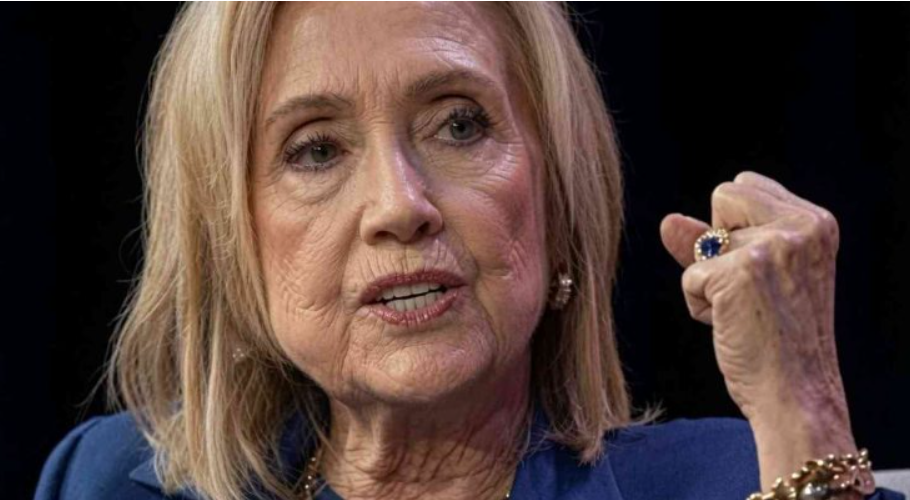
Former Secretary of State Hillary Clinton is warning that the United States could be losing diplomatic leverage in its increasingly tense confrontation with Iran, sharply criticizing President Donald Trump’s rhetoric and questioning the administration’s strategy following the collapse of recent negotiations.
Speaking in a media interview Monday, Clinton argued that the words and actions of an American president carry consequences well beyond domestic politics, particularly during an international crisis. She described some of Trump’s recent rhetoric as “disgraceful” and said political leaders should be held accountable not only for their decisions but also for the language they use in public.
“Words, especially from an American president, have real consequences,” Clinton said, stressing that presidential statements can influence America’s credibility with allies, adversaries and the broader international community.
Her remarks came after diplomatic efforts aimed at addressing Iran’s nuclear program ended without a breakthrough. Vice President JD Vance reportedly returned from discussions in Pakistan without an agreement, raising fresh questions about whether Washington and Tehran can find a diplomatic path forward.
Clinton offered a complicated assessment of Trump’s Iran policy. While she said she supported the U.S. military strike against Iranian nuclear facilities earlier this year, describing the operation as a limited action focused on a specific strategic objective, she criticized what followed as lacking a coherent long-term plan.
“I supported Trump bombing the nuclear sites back in June,” Clinton said. “I thought that was an appropriate and limited strategic objective. I opposed his incoherent attack on Iran.”
She argued that Washington now needs to rely more heavily on experienced nuclear-policy specialists and diplomats capable of navigating complicated negotiations with Tehran.
“We’re going to have to bring in people who actually know something about nuclear weapons,” Clinton said.
Clinton’s criticism comes as tensions surrounding the Strait of Hormuz have intensified. The strategically important waterway is a critical route for global energy shipments, and any prolonged disruption could have consequences for oil markets, shipping and the broader world economy.
She also pointed to her own experience dealing with Israeli officials, including Prime Minister Benjamin Netanyahu, and emphasized the importance of establishing clear objectives before committing the United States to prolonged military confrontation.
Most significantly, Clinton warned that the breakdown in negotiations may have left Washington in a weaker strategic position.
“I worry that the United States is now in a very weak position vis-à-vis Iran,” she said, arguing that the U.S. has lost some of the leverage and initiative it previously possessed.
The White House strongly rejected Clinton’s assessment. Administration officials defended Trump’s approach and attacked Clinton’s foreign-policy record, particularly her support for the Obama administration’s nuclear agreement with Iran.
A White House spokesperson dismissed Clinton as one of the weakest foreign-policy officials in U.S. history and argued that Trump is confronting threats that previous administrations failed to resolve.
The clash highlights a broader debate over whether maximum pressure and military force can compel Tehran to make concessions—or whether sustained diplomacy remains the only viable path toward a durable agreement.
With negotiations stalled and tensions continuing to rise, the coming weeks could prove decisive for U.S.-Iran relations. For Clinton, the central concern is that Washington must regain diplomatic leverage before military escalation closes the remaining space for negotiation.