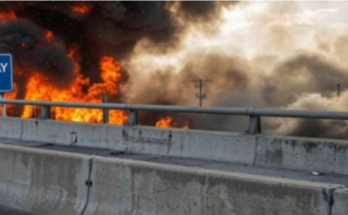
Russia launched another large-scale wave of drone and missile strikes across Ukraine overnight, targeting multiple regions as the war entered another period of heightened intensity. Ukrainian officials said the attacks damaged civilian infrastructure, including residential neighborhoods, energy facilities, transportation networks, and public buildings, while forcing thousands of residents to seek shelter as air raid sirens sounded across several major cities.
According to Ukrainian authorities, air defense systems were activated throughout the night in an effort to intercept incoming drones and missiles before they reached their intended targets. Officials reported that explosions were heard in several regions as defensive forces engaged the incoming aerial threats, though some projectiles reportedly penetrated the country’s air defenses and struck populated areas.
Emergency services responded immediately to numerous impact sites. Firefighters battled blazes that erupted after the strikes, while rescue teams searched damaged buildings for survivors and assisted residents trapped beneath debris. Medical personnel treated those injured during the attacks, and local officials began assessing the full extent of the destruction. Authorities urged residents in affected areas to remain inside shelters and closely follow official instructions, warning that additional strikes could occur as the security situation remained fluid.
The overnight bombardment is the latest in a series of intensified Russian attacks targeting Ukrainian infrastructure and urban centers. Throughout the conflict, both military and civilian facilities have been affected by repeated missile and drone campaigns, resulting in widespread damage to housing, electricity networks, transportation systems, and other critical infrastructure. Ukrainian officials continue to accuse Russia of deliberately targeting civilian areas, while Moscow has maintained that its operations are directed at military objectives.
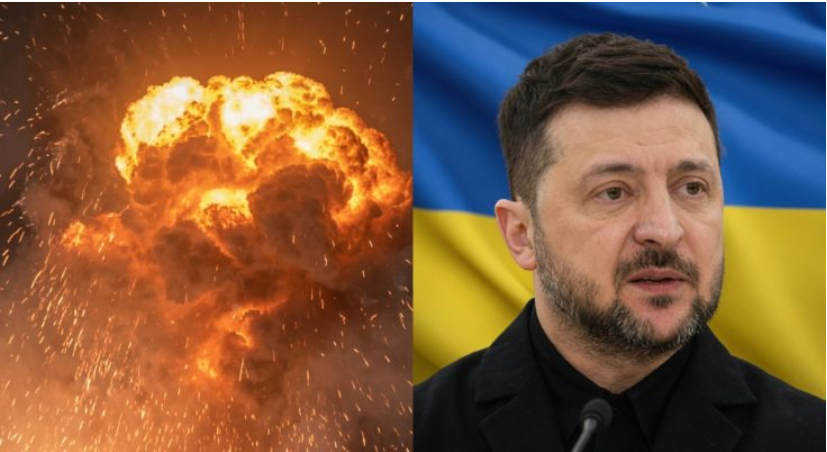
Amid the ongoing attacks, another development has drawn significant attention online. Unverified claims began circulating rapidly across social media platforms and other unofficial channels alleging that one of the Russian strikes had hit a secure location in Ukraine and killed President Volodymyr Zelenskyy. Some posts further claimed that Ukrainian media organizations had confirmed the report, causing the rumor to spread quickly across multiple platforms and generating widespread speculation.
However, there is currently no official confirmation from the Ukrainian government that President Zelenskyy has been killed or injured in the attacks. Likewise, no major international news organizations have independently verified the claim, and no credible evidence has been presented publicly to support the reports.
Military analysts, intelligence experts, and independent observers continue to urge caution when evaluating information emerging from active conflict zones. They note that misinformation and disinformation have become central features of modern warfare, with false reports frequently appearing during periods of heightened military activity. Claims involving senior political leaders, military commanders, or major battlefield developments are often among the most widely shared, making independent verification especially important before drawing conclusions.
Experts emphasize that social media can accelerate the spread of inaccurate or fabricated information within minutes, particularly when dramatic or emotionally charged claims involve high-profile figures. As a result, unverified reports should not be treated as established fact until they are confirmed by official government sources and corroborated by multiple reliable independent news organizations.
At this time, there is no verified evidence supporting claims that President Volodymyr Zelenskyy was killed in the overnight strikes. Until credible confirmation is provided by Ukrainian authorities and respected international media organizations, those reports should be regarded as unsubstantiated.
As military operations continue and information develops rapidly, officials are encouraging the public to rely on verified government statements and established news outlets rather than anonymous online accounts or unconfirmed social media posts. Authorities continue to monitor the situation closely, while emergency crews remain on the ground responding to the aftermath of the latest attacks and assessing damage across the affected regions.