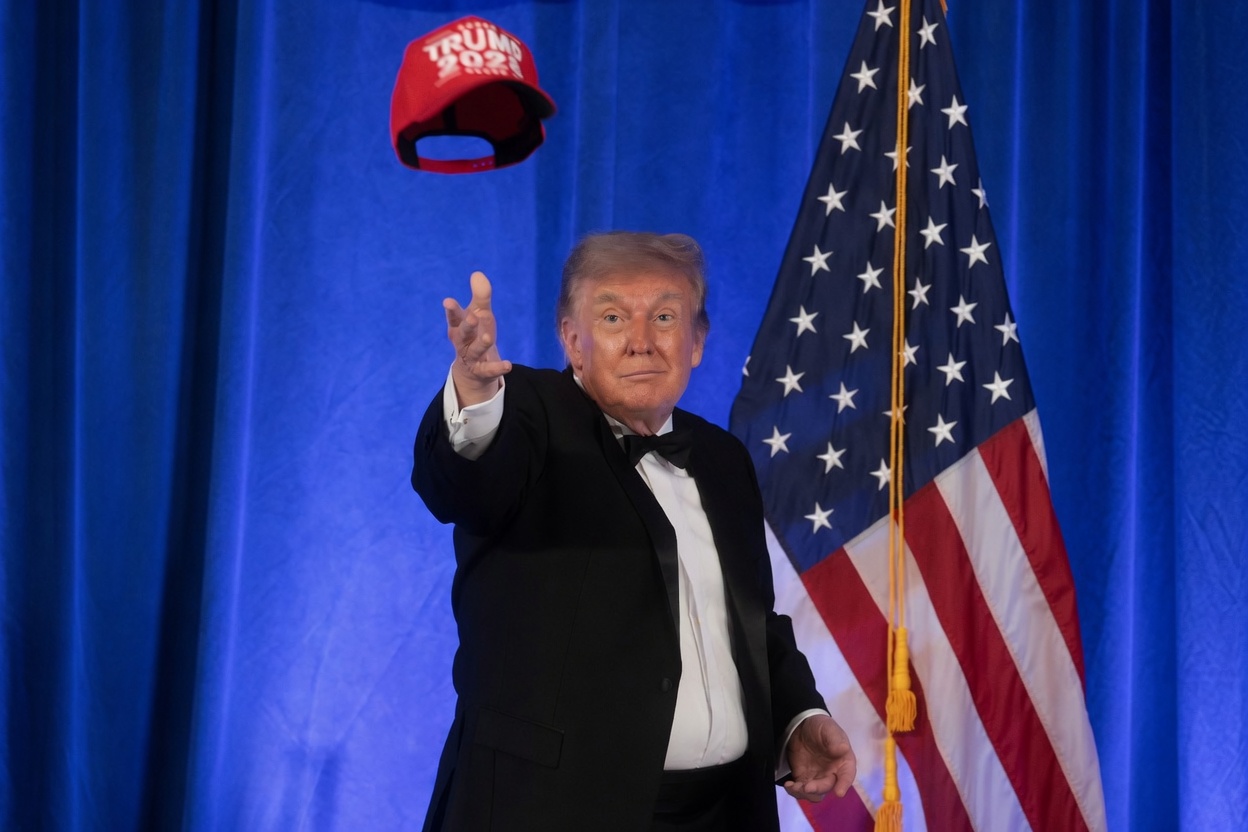
Three months after an alleged attempted assassination forced the cancellation of the annual White House Correspondents’ Dinner, President Donald Trump joined journalists, lawmakers, administration officials, and other prominent Washington figures Friday night for the long-delayed event, which returned under dramatically different circumstances marked by heightened security and a noticeably more subdued atmosphere.
Originally scheduled for April, the dinner was postponed after the alleged attack on the president, an unprecedented development that reshaped one of Washington’s most recognizable traditions. When the event was finally held Friday evening, nearly every aspect reflected the extraordinary events that had unfolded over the previous three months.
Instead of taking place at the historic Washington Hilton, organizers relocated the dinner to the Waldorf Astoria, where significantly tighter security measures were in place. Attendance was also scaled back, with a smaller guest list than in previous years, reflecting both logistical concerns and the changed political climate surrounding the event.
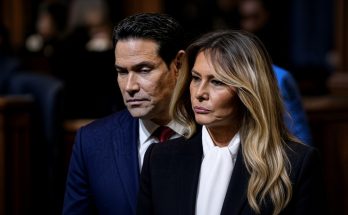
First Lady Melania Trump did not attend the dinner, and organizers departed from another longstanding tradition by replacing the customary stand-up comedian with acclaimed mentalist Oz Pearlman, whose performance offered a lighter form of entertainment during an evening shaped by recent national events.
Speaking before the audience, President Trump acknowledged that he had originally prepared a far more confrontational speech before the April incident.
“I was going to rip the press,” Trump said, explaining that the events of the past several months had prompted him to take a different approach.
While the president adopted a more measured and conciliatory tone than originally planned, he still delivered many of the sharp political observations and humorous barbs that have become a hallmark of his public appearances. His remarks included familiar jabs at Democrats, members of the national media, and even several officials within his own administration, drawing laughter from some attendees while reinforcing the partisan atmosphere that often surrounds the annual gathering.
Despite the lighter moments, the evening carried an unmistakable sense of reflection. For many in attendance, the dinner served not only as a celebration of journalism and the relationship between the White House and the press corps but also as a reminder of the security concerns and political tensions that have shaped Washington in recent months.
The rescheduled event ultimately blended moments of humor, political commentary, and unity, highlighting both the resilience of one of the capital’s longest-running traditions and the profound impact that recent events have had on the nation’s political landscape.