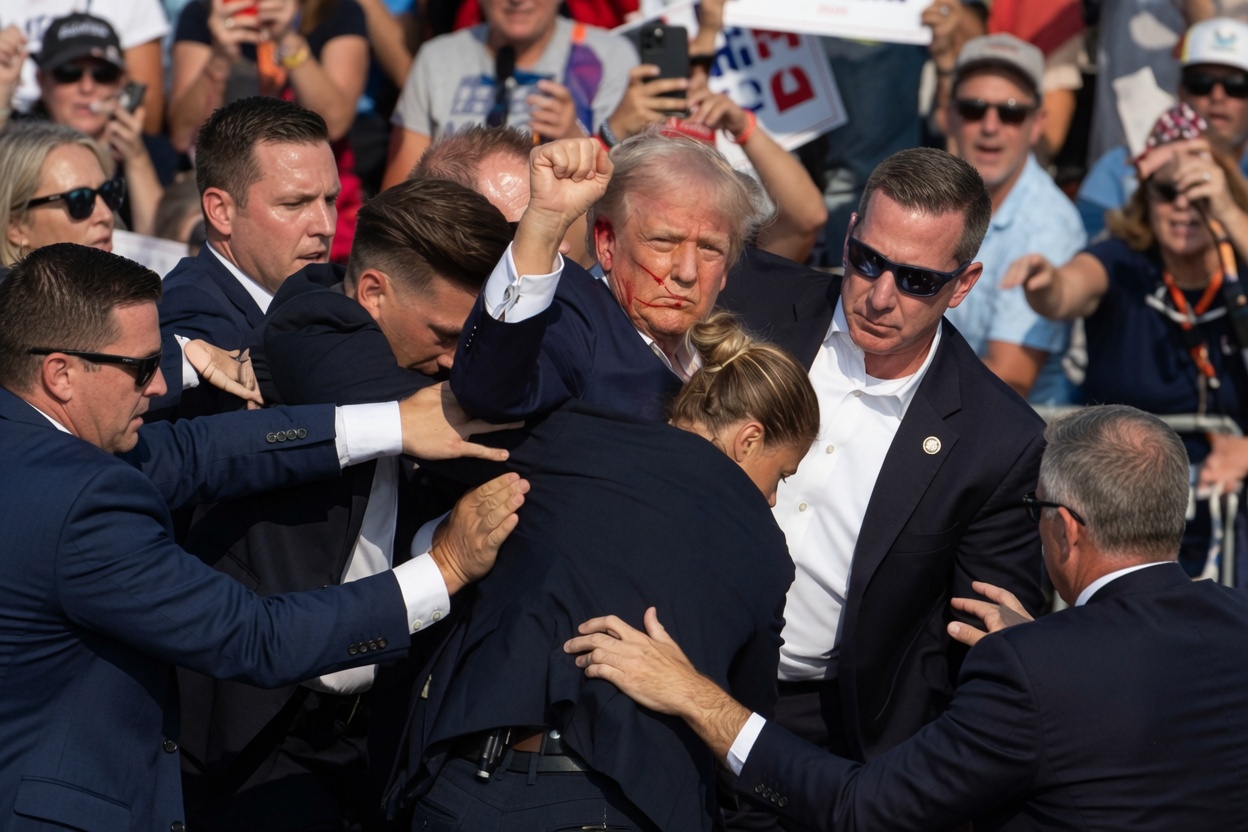
Two years after the attempted assassination of then-presidential candidate Donald Trump at a campaign rally in Butler, Pennsylvania, a newly released inspector general report is providing the clearest picture yet of the security breakdowns that preceded the attack. The findings paint a troubling portrait of communication failures and missed warning signs that investigators say may have altered the course of events.
According to the report, the U.S. Secret Service failed to receive or act on more than 100 radio transmissions from local law enforcement officers regarding the suspected gunman in the minutes leading up to the shooting. The agency also received only a limited number of phone calls and text messages warning of the developing threat, leaving critical information fragmented and slow to reach the personnel responsible for protecting the candidate.
Investigators concluded that the breakdown in communication between federal and local authorities created significant blind spots during one of the most critical moments of the security operation. The report identifies multiple missed opportunities to identify, track, and respond to the suspected shooter before gunfire erupted, raising new questions about coordination, preparedness, and command procedures during high-profile public events.
The attack claimed the life of Corey Comperatore, a volunteer firefighter who was fatally shot while shielding his wife and daughters from the gunfire. Two other rally attendees were wounded, while Trump survived after a bullet grazed his ear, an incident that stunned the nation and prompted sweeping reviews of presidential campaign security.
The inspector general’s findings conclude that the communication failures, combined with other operational and security lapses, represented a series of preventable breakdowns that may have changed the outcome of the day. The report is expected to intensify scrutiny of the Secret Service and renew calls for reforms aimed at strengthening coordination between federal agents and local law enforcement to prevent similar failures in the future.