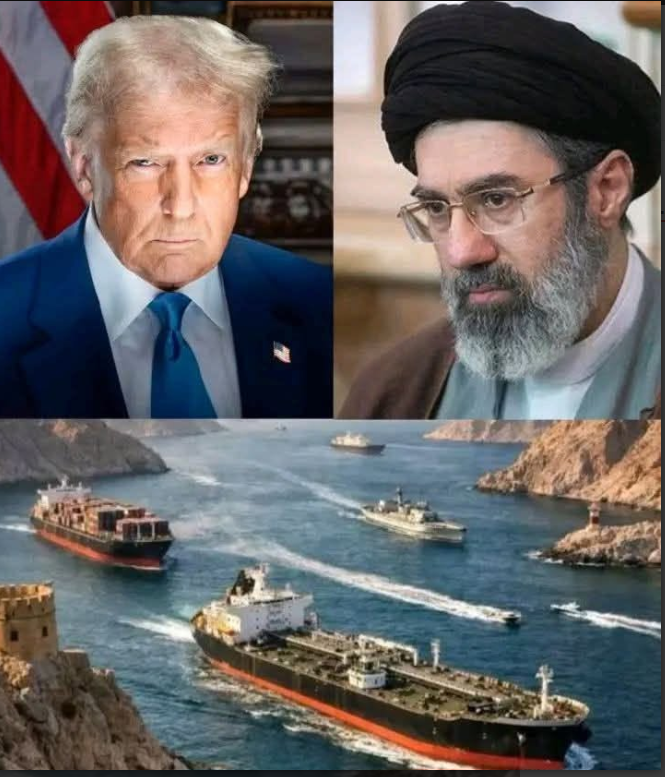
More than 20 commercial vessels have reportedly transited the strategically vital **Strait of Hormuz** over the past 24 hours, with claims circulating that the ships collectively paid approximately **$2 million each in transit-related fees to Iran**. If accurate, the reported payments would total more than **$40 million in a single day**, underscoring the enormous economic and geopolitical significance of one of the world’s busiest maritime chokepoints.
The Strait of Hormuz is far more than a narrow stretch of water separating the Persian Gulf from the Gulf of Oman. It serves as one of the most critical arteries of the global economy, carrying a substantial share of the world’s seaborne crude oil, liquefied natural gas, and other vital commodities. Every day, billions of dollars’ worth of energy supplies pass through the waterway, making its security a top priority for governments, shipping companies, and financial markets around the globe.
Any disruption—or even the possibility of one—can send immediate shockwaves through international markets. Oil prices often react within minutes to developments in the region, while shipping companies closely monitor security conditions before routing vessels through the narrow passage. Insurance premiums, freight costs, and transportation risks can all rise sharply whenever tensions escalate, ultimately increasing costs for businesses and consumers worldwide.
The reported movement of more than 20 commercial ships demonstrates that maritime traffic continues despite heightened regional uncertainty. For shipping operators, navigating the Strait of Hormuz is often unavoidable, as it remains the primary gateway connecting major oil-producing Gulf nations with customers across Asia, Europe, and beyond. The continued flow of commercial traffic highlights both the resilience of global trade networks and the immense economic importance of keeping the waterway open.
If reports regarding the transit fees are confirmed, they would further illustrate how strategic control over key maritime corridors can carry significant financial implications. However, details surrounding the reported payments have not been independently verified, and the precise legal or operational basis for any such fees remains unclear.
The broader significance extends well beyond the Middle East. Energy-importing nations across Europe and Asia depend heavily on uninterrupted shipments through the Strait of Hormuz, while global supply chains rely on stable maritime routes to transport fuel, raw materials, and manufactured goods. Even temporary disruptions have the potential to ripple through international markets, affecting everything from gasoline prices to industrial production and consumer costs.
As geopolitical tensions continue to shape security conditions in the Gulf, governments, military planners, and commercial shipping companies will remain focused on developments in the Strait of Hormuz. The narrow waterway has long stood at the center of global energy security, and every vessel that passes through it represents not only commercial trade but also the delicate balance between regional stability and the uninterrupted flow of the world’s economy.