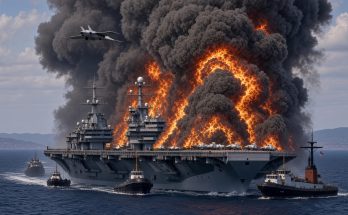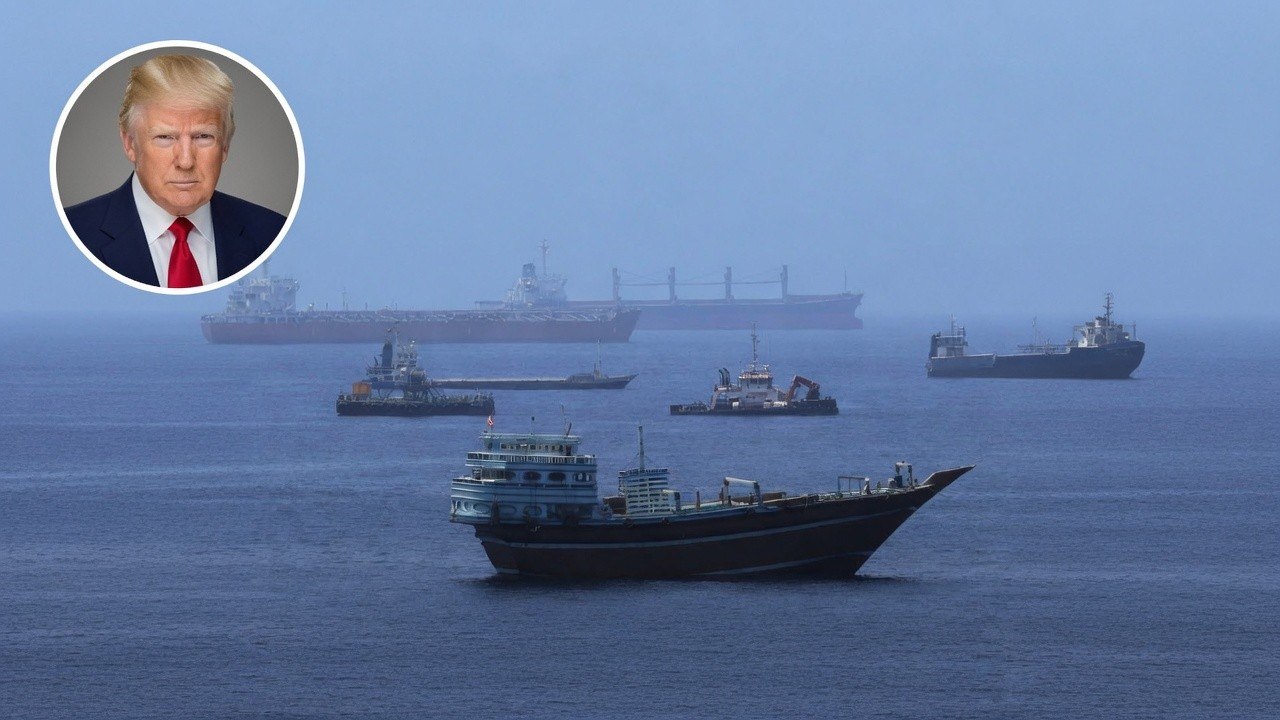
The U.S. Central Command (CENTCOM) announced that it has begun launching military strikes against Iran following reported attacks on commercial vessels transiting the strategically important Strait of Hormuz, one of the world’s busiest and most critical maritime trade routes. According to CENTCOM, the operation is intended to impose “heavy costs” in response to what it described as a deliberate escalation that endangered civilian shipping and threatened regional stability.
U.S. officials said three commercial vessels, crewed by civilian mariners, were reportedly attacked while navigating the international waterway. In its statement, CENTCOM characterized the alleged attacks as “unwarranted, dangerous, and a clear violation of the ceasefire,” arguing that they jeopardized freedom of navigation and the security of international commerce. The command emphasized that protecting civilian vessels and maintaining safe passage through the Strait of Hormuz remain key priorities for the United States and its partners.
The reported strikes represent a major escalation in an already volatile region, raising concerns about the potential for a broader military confrontation. The Strait of Hormuz serves as a vital gateway for global energy exports, with a significant portion of the world’s oil and liquefied natural gas shipments passing through the narrow waterway each day. Any disruption to maritime traffic in the area could have far-reaching consequences for international trade, global energy markets, and regional security.
The latest developments come amid heightened tensions between the United States and Iran, with both sides trading accusations over recent military and maritime incidents. While CENTCOM has framed the operation as a direct response to the reported attacks on civilian shipping, Iranian officials have not yet fully responded to the latest U.S. announcement.
The situation remains highly fluid as military operations continue and officials monitor developments across the region. Governments and international observers are closely watching for further statements from Washington, Tehran, and allied nations, amid growing concerns that the latest exchange could trigger a wider regional crisis if diplomatic efforts fail to prevent additional escalation.