The U.S. military has officially ended its enforcement of a blockade that had restricted the movement of vessels traveling to and from Iranian ports and coastal waters, according to a statement released by U.S. Central Command. The announcement, which was posted on the social media platform X, stated that the decision was made “in accordance with the president’s direction,” signaling a formal shift in operational posture in the region.
In the statement, Central Command confirmed that American forces are no longer actively impeding maritime traffic bound for or departing from Iranian ports located along the Arabian Gulf and the Gulf of Oman. It further clarified that all U.S. military efforts related to blockade enforcement have now been completely discontinued. The move effectively marks the end of active naval restrictions that had been in place as part of the broader operational framework in the area.
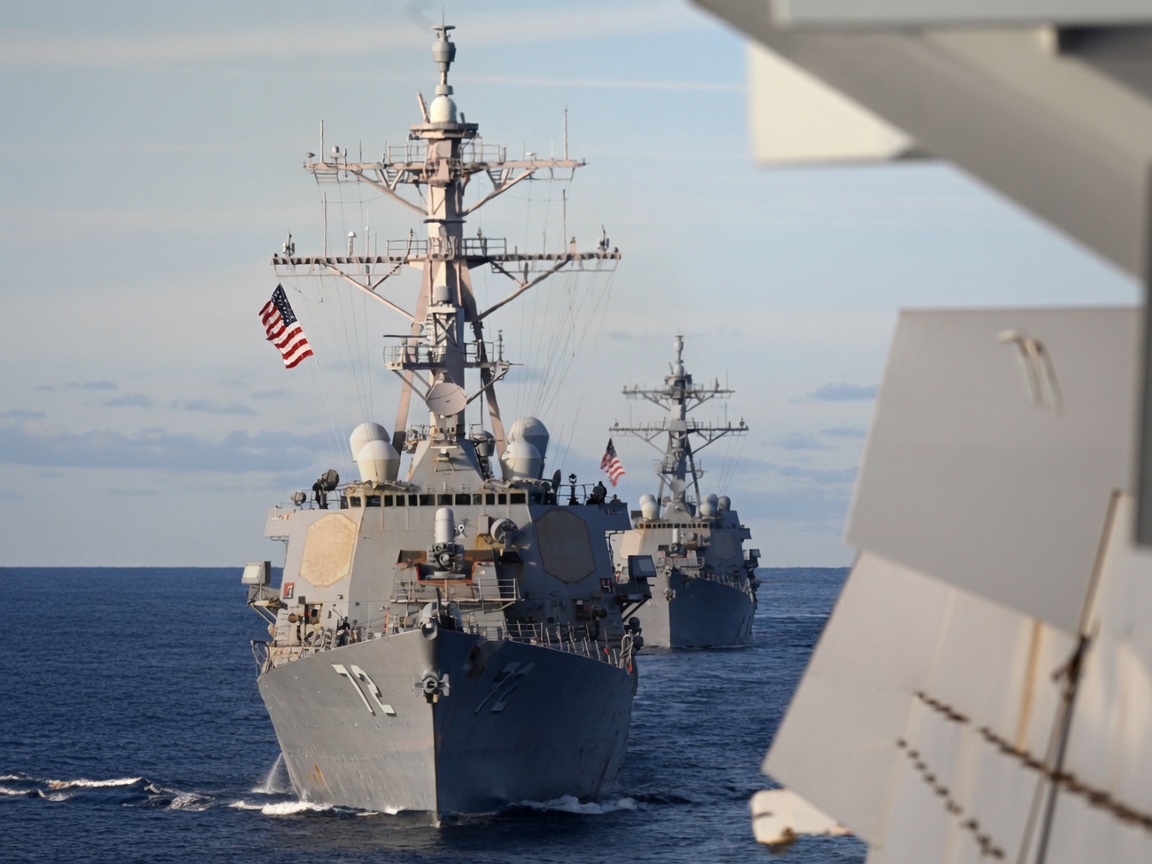
While the enforcement of the blockade has been lifted, U.S. military officials emphasized that naval forces will continue to remain deployed across key strategic waterways in the region. According to Central Command, the continued presence is intended to ensure stability and to verify compliance with the terms of the underlying agreement that led to the policy change. The command stated that U.S. forces will remain positioned to monitor maritime activity and ensure that all aspects of the arrangement are “adhered to, obeyed, and in full force and effect.”
Officials did not immediately release additional information regarding the specific conditions of the agreement, the timeline that led to the decision, or whether further diplomatic negotiations or military adjustments are expected in the near future. The lack of detailed clarification has left several operational questions unanswered, particularly concerning how maritime security will be managed going forward and what coordination, if any, will continue between U.S. forces and regional partners.
Despite the end of active blockade enforcement, the continued deployment of U.S. naval assets suggests that the situation in the region remains under close observation. Military analysts note that such a posture typically reflects a transition from direct enforcement to a monitoring and deterrence role, aimed at maintaining situational awareness and preventing any potential violations of the agreement while avoiding further escalation.