🚨 TRUMP EMERGENCY: Viral Shooting Claims Spark Alarm as Questions Grow Over Unverified Reports
WASHINGTON, D.C. — Social media posts claiming that President Donald Trump had been shot in Washington, D.C., have drawn attention to the growing challenge of distinguishing genuine breaking news from unverified allegations spreading across digital platforms. The claims, which reportedly described a shooting near the president’s motorcade, circulated with urgent language suggesting that a major security emergency was unfolding.
However, the information provided does not establish that a new shooting occurred. No independently verified evidence has been presented to substantiate the circulating allegation, and the claims should not be treated as confirmed news without reliable reporting or official statements.
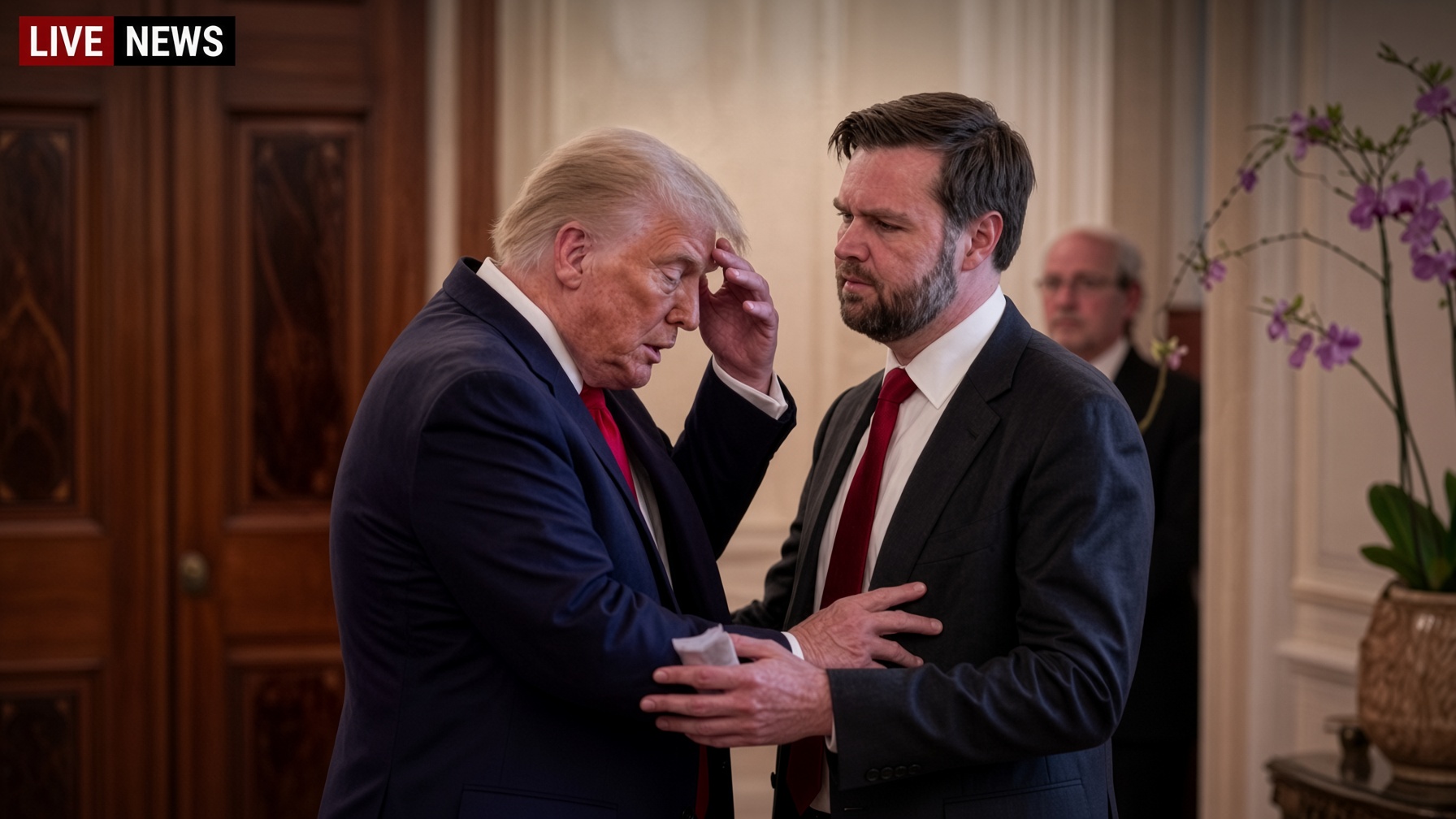
The episode highlights how sensational headlines, dramatic images and rapidly shared videos can create confusion during developing situations, particularly when allegations involve the president of the United States.
⚠️ How the Rumor Gained Attention
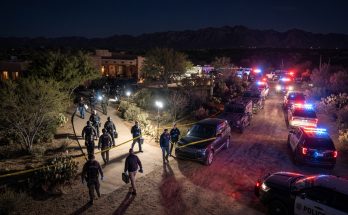
According to descriptions of the circulating posts, some messages used emergency-style headlines and suggested that the alleged incident had happened moments earlier. Other material reportedly featured flashing emergency lights, traffic disruptions and visible police activity as supposed evidence of an unfolding attack.
Such images, however, cannot independently establish that a shooting occurred.
Footage from unrelated emergencies can be reposted with misleading captions, while older photographs may be presented as though they document a new event. Without a verifiable date, location and original source, even authentic images can create a false impression when removed from their original context.
The rapid spread of these claims illustrates a familiar problem in the modern news environment: social media users can encounter dramatic allegations long before reliable information is available to confirm or contradict them.
Repeated posts do not necessarily represent independent verification. In some cases, numerous accounts may simply be repeating the same unsupported claim.
🇺🇸 The 2024 Assassination Attempt Remains a Significant Context
The rumors may also attract attention because of the confirmed assassination attempt against Trump on July 13, 2024, during a campaign rally in Butler, Pennsylvania.
During that attack, a bullet grazed Trump’s ear, and rally attendee Corey Comperatore was killed. Two other people were seriously injured. The gunman, identified by the FBI as Thomas Matthew Crooks, was killed by a Secret Service counter-sniper.
The shooting shocked the nation and generated extensive international coverage. Photographs and video from the incident became widely recognizable, ensuring that images associated with the attack could continue circulating long afterward.
That history makes accurate context especially important when similar footage appears online.
An old photograph, a clip from the 2024 attack or a video showing unrelated police activity should not be presented as evidence of a new shooting without independent confirmation. Users encountering such material should examine when it was first published and whether credible sources connect it to the alleged event.
🔎 What Would Confirm a Presidential Security Incident?
Reports involving a sitting president require careful verification because inaccurate information can generate widespread public concern and confusion.
The U.S. Secret Service, the White House and relevant law enforcement agencies are important sources for assessing claims about presidential security incidents. Reporting from established news organizations can provide additional context and independent confirmation.
Readers should look for specific, verifiable information, including the location of the alleged incident, the time it supposedly occurred and whether authorities have acknowledged an emergency.
It is equally important to distinguish between an official statement confirming an event and a statement that merely addresses security procedures or an unrelated investigation.
The absence of confirmation in the material available for this account does not, by itself, prove every detail of the rumor false. It does mean that the allegation has not been substantiated by the evidence presented and should not be published as an established fact.
📱 The Growing Challenge of Breaking-News Misinformation
Digital platforms have transformed how people receive news, allowing eyewitness accounts and important updates to reach audiences almost instantly. However, the same speed can allow misleading claims to spread before journalists and authorities have time to establish what happened.
Sensational headlines can encourage users to share content immediately, particularly when a post suggests that a prominent political figure faces an imminent threat.
Images and videos can make an allegation appear convincing even when the accompanying description is inaccurate. As a result, the popularity of a post should never be confused with the reliability of its contents.
Corrections can also struggle to reach the same audiences that initially encountered a misleading claim. This creates a lasting risk that unsupported allegations will continue circulating after their credibility has been questioned.
📰 Why Verification Matters Before Sharing
Readers can help reduce the spread of misinformation by checking the original source, comparing reports from independent news organizations and looking for relevant statements from authorities.
They should also examine the publication date of photographs and videos, avoid relying exclusively on screenshots and be cautious when a post demands immediate sharing without providing verifiable evidence.
Journalists face the same responsibility. When facts remain uncertain, responsible reporting should clearly identify what is known, what remains unconfirmed and which details require further investigation.
The bottom line: The social media allegation that Trump was shot in Washington, D.C., has not been substantiated by the information presented here. Without credible evidence confirming a new attack, it should not be reported as a verified emergency.
In an era when dramatic claims can reach millions of people within minutes, responsible reporting depends on evidence rather than urgency. The most important question is not how quickly a story spreads, but whether trustworthy sources can establish that it actually happened.