A newly announced agreement between the United States and Iran aimed at ending more than three months of conflict has been met with both cautious optimism and sharp criticism, as major questions remain unanswered about its long-term implications.
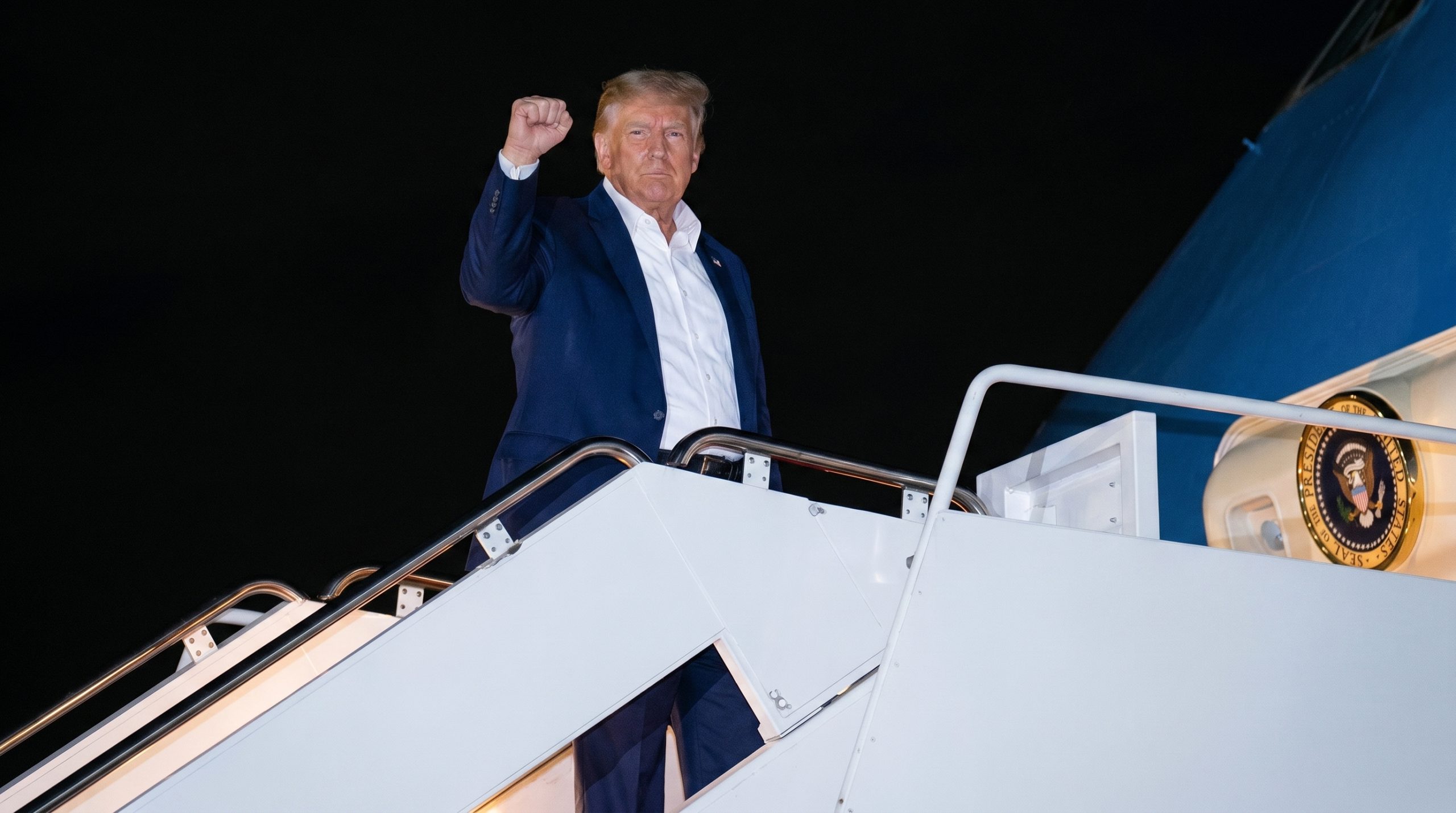
President Donald Trump revealed the breakthrough on Sunday, declaring that the Strait of Hormuz—a vital maritime corridor through which a significant portion of the world’s oil supply passes—would reopen following the agreement. Speaking alongside French President Emmanuel Macron on Monday, Trump said the deal had been finalized and is expected to be formally signed in Switzerland later this week.
The memorandum of understanding (MOU), reportedly brokered with the assistance of Pakistan, is intended to halt hostilities, restore commercial shipping through the Strait of Hormuz, and pave the way for broader negotiations concerning Iran’s nuclear program, sanctions relief, and regional security issues.
While supporters have welcomed the apparent de-escalation of tensions, critics argue that the agreement leaves many critical issues unresolved. Israeli officials have been among the most vocal opponents, expressing concern that Israel was not directly involved in negotiations despite years of confrontation with Iran. Several Israeli leaders described the arrangement as unfavorable and warned that it could strengthen Tehran’s position in the region.
Opposition has also emerged within the United States. Some lawmakers contend that the agreement grants Iran significant concessions while offering limited guarantees regarding nuclear restrictions or long-term security commitments. Critics have questioned whether the reopening of the Strait of Hormuz alone constitutes a meaningful concession, noting that international shipping routes had operated freely before the conflict erupted.
Experts caution that the details of the agreement remain unclear, making it difficult to assess its ultimate impact. Analysts say key issues—including sanctions relief, nuclear oversight, financial incentives, and future control of maritime traffic through Hormuz—are expected to be negotiated during a second phase of talks over the next 60 days.
Reports suggest that Iran may allow toll-free passage through the Strait of Hormuz during the negotiation period, but uncertainty remains regarding what arrangements could follow afterward. Some observers believe Tehran may seek to maintain significant influence over the strategic waterway, potentially preserving leverage in future negotiations.
Meanwhile, regional tensions have not completely subsided. Israeli officials have indicated that military operations and security deployments in neighboring areas, including parts of Lebanon, Syria, and Gaza, will continue regardless of the agreement between Washington and Tehran. This has fueled concerns that broader instability could persist even if direct conflict between the United States and Iran eases.
Inside Iran, the agreement has generated debate as well. While government officials have defended the negotiations as necessary to protect national interests and reduce economic pressure, hardline factions have accused negotiators of making excessive compromises.
For now, the agreement represents a significant diplomatic development and offers a potential path toward reducing tensions in one of the world’s most volatile regions. However, with many of its most important provisions still undefined, analysts warn that the coming weeks will be critical in determining whether the deal becomes the foundation for lasting stability—or merely a temporary pause in a much larger conflict.