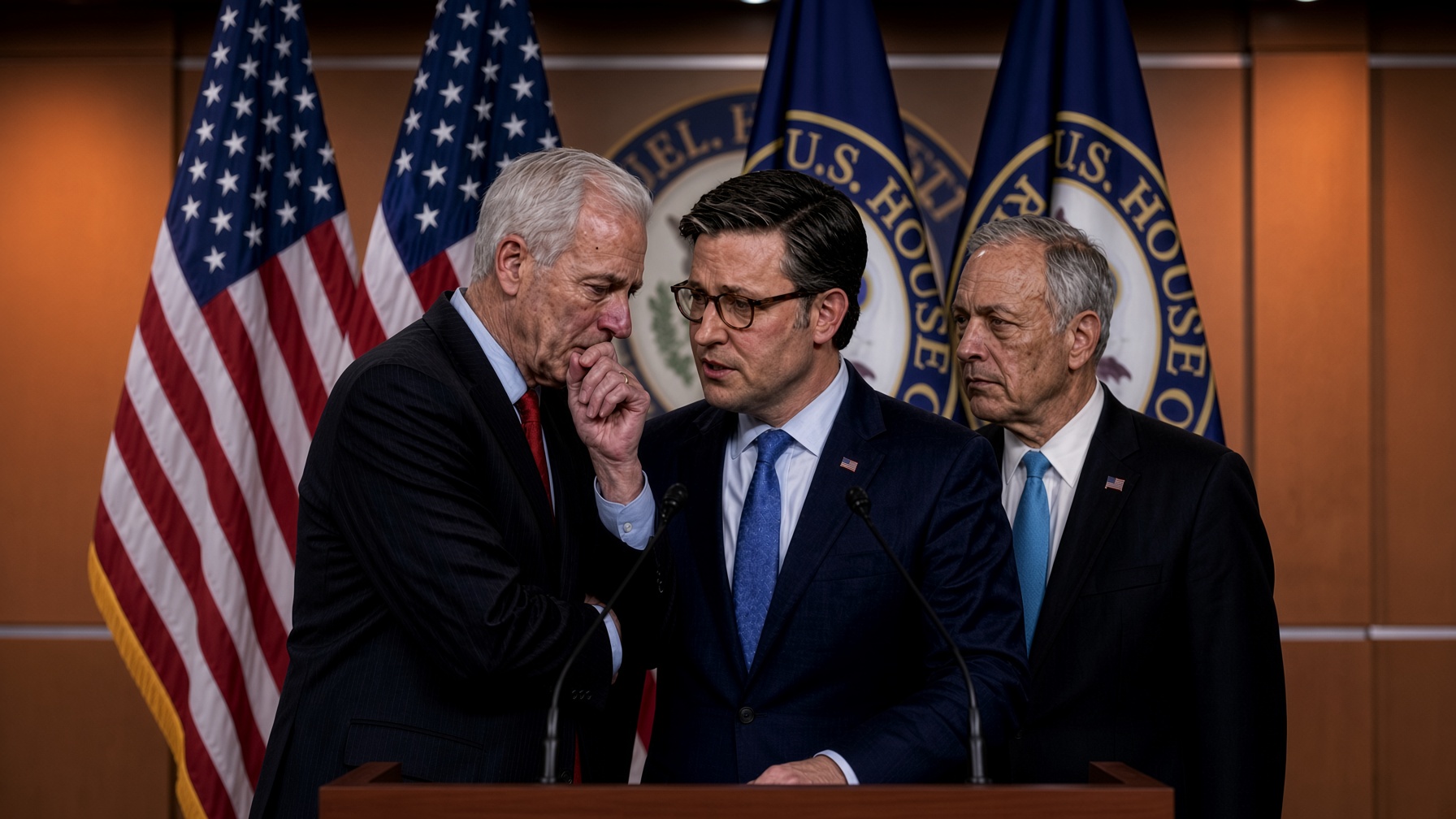
FORT WORTH, Texas — Former U.S. Rep. Kay Granger, a transformative Texas Republican who broke historic barriers across local and federal governance for nearly four decades, has died at the age of 83.
Granger died on August 2, 2026, according to an announcement confirmed by the U.S. House Office of the Historian. A fixture of North Texas politics, she represented Texas’ 12th Congressional District for 14 consecutive terms from 1997 until her retirement in January 2025, cementing a reputation as one of Capitol Hill’s most formidable champions of national defense and infrastructure.
Throughout a trailblazing career, Granger registered a series of political firsts. In 1991, she shattered precedent by becoming the first female mayor of Fort Worth. Five years later, she made history again as the first Republican woman elected to represent Texas in the U.S. House of Representatives. In 2023, she reached the zenith of congressional influence when she became the first Republican woman to serve as chairwoman of the powerful House Appropriations Committee.
From Municipal Leadership to Washington Influence
Born Norvell Kay Mullendore on January 18, 1943, in Greenville, Texas, Granger was raised in Fort Worth, graduating from Eastern Hills High School before earning a bachelor’s degree from Texas Wesleyan University in 1965.
Before stepping into elective office, Granger worked as a public school teacher and later ran an independent insurance agency. Her civic career began in Fort Worth municipal government, serving on the city’s Zoning Commission from 1981 to 1989 and subsequently winning a seat on the Fort Worth City Council, where she served until 1991.
During her tenure as mayor from 1991 to 1995, Granger guided Fort Worth through severe economic headwinds stemming from post-Cold War defense-industry contractions and the proposed decommissioning of Carswell Air Force Base. Recognizing the strategic and economic stakes for North Texas, she spearheaded a regional coalition to safeguard the site’s military utility. Her efforts laid the groundwork for its successful conversion into the nation’s first joint reserve base, now known as Naval Air Station Joint Reserve Base Fort Worth.
That civic rescue operation elevated her political profile, positioning her to launch a victorious bid for Congress in 1996 following the retirement of Democratic incumbent Pete Geren.
A Defining Force on National Defense and Federal Spending
After arriving in Washington, Granger secured an assignment to the House Appropriations Committee in 1999—a posting that would define her legislative legacy for the next quarter-century. The committee controls the federal purse strings, directing trillions of dollars in annual discretionary funding across the federal bureaucracy.
Granger methodically climbed the panel’s seniority ladder, emerging as a stalwart advocate for the defense industrial base and the service members stationed across Texas. Her district, home to Lockheed Martin’s sprawling production facilities, became central to the development and manufacturing of the F-35 Lightning II Joint Strike Fighter. Granger consistently protected the multi-role fighter program through shifting political currents, ensuring steady appropriations that bolstered both domestic defense posture and thousands of regional aerospace jobs.
In 2017, she notched another historic achievement as the first woman to chair the House Appropriations Subcommittee on Defense. She later assumed the role of ranking Republican on the full committee before taking the gavel as chairwoman in January 2023 during the 118th Congress. In that role, she led complex negotiations to steer divided government spending bills through high-stakes fiscal battles and looming government shutdown deadlines.
A Legacy of Institutional Impact
In late 2023, Granger announced that she would not seek reelection, closing out 28 years of congressional service upon the conclusion of her term in January 2025. Her departure signaled the end of an era for the Texas delegation, which long relied on her procedural mastery and committee leadership to direct critical resources back to the Lone Star State.
Tributes flowed from both sides of the aisle following the announcement of her death. House Speaker Mike Johnson praised Granger as an uncompromising trailblazer who cleared a path for generations of women in public life while maintaining an unwavering focus on national readiness. In Fort Worth, city leaders and former colleagues recalled her enduring influence on local projects, including the revitalization of the historic Stockyards and the Trinity River flood-protection initiative.
Granger’s public career leaves an indelible imprint from Fort Worth City Hall to the corridors of the U.S. Capitol, defined by pragmatism, defense advocacy, and a series of historic milestones that reshaped the face of Texas leadership.