‼️ Obama Takes Aim at Trump After Hungary Election Defeat, Renewing Political Clash
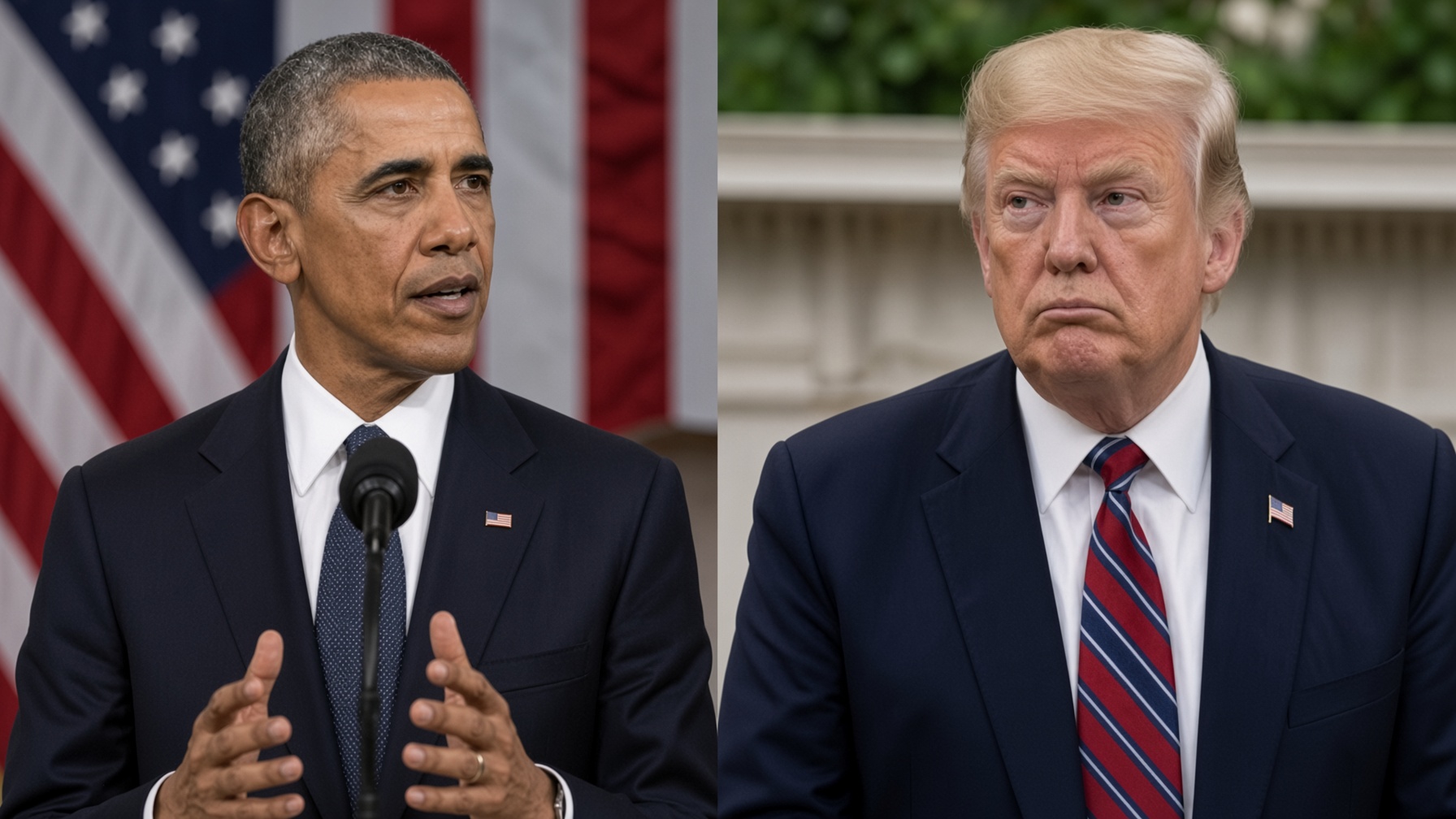
WASHINGTON, D.C. — Former President Barack Obama has renewed his criticism of President Donald Trump following a major political development in Hungary, using the opposition’s reported election victory to highlight what he described as a broader triumph for democracy, the rule of law, and political accountability.
The election marked a significant setback for former Hungarian Prime Minister Viktor Orbán, a longtime conservative leader who maintained close political ties with Trump and other right-wing figures. According to the account, Vice President JD Vance traveled to Hungary ahead of the vote to demonstrate support for Orbán, but the American administration’s intervention failed to prevent the opposition, led by Péter Magyar, from securing victory.
Obama responded to the result with a message on X, drawing comparisons between Hungary’s political shift and Poland’s 2023 election.
“The victory of the opposition in Hungary yesterday, like the Polish election in 2023, is a victory for democracy, not just in Europe but around the world,” Obama wrote. He praised Hungarian voters for their determination and emphasized the importance of fairness, equality, and the rule of law.
The statement added another chapter to the increasingly sharp political divide between Obama and Trump, whose competing visions of American leadership have continued to shape debates both at home and abroad.
Redistricting and Domestic Political Tensions
The dispute extends beyond international affairs. Obama has also become involved in the national debate over congressional redistricting, supporting efforts in Democratic-led states such as Virginia and California while opposing similar initiatives in Republican-controlled states, according to the account.
The controversy reflects a broader struggle between the parties over electoral boundaries, political representation, and the balance of power in Congress ahead of future elections.
Obama also faced criticism following remarks connected to the death of civil rights leader Reverend Jesse Jackson. His comments reportedly drew a response from Jesse Jackson Jr., the late activist’s son, adding another dimension to the debate over how political leaders discuss race, civil rights, and the Trump administration.
Trump Revives Criticism of Obama’s Iran Policy
Trump has continued to attack Obama’s foreign policy record, particularly the 2015 Iran nuclear agreement, formally known as the Joint Comprehensive Plan of Action. The agreement sought to limit Iran’s nuclear activities in exchange for sanctions relief and other economic benefits.
During remarks at the FII PRIORITY Summit, Trump criticized the agreement and revisited a controversial $1.7 billion payment to Iran made during the final stages of the Obama administration.
Trump characterized the payment as an extraordinary delivery of cash and argued that the arrangement ultimately benefited Tehran. He also claimed that the nuclear agreement would have allowed Iran to develop nuclear weapons had he not withdrawn the United States from it during his first term.
Obama’s administration defended the payment as the settlement of a longstanding financial dispute involving money Iran had paid for a military equipment purchase before the 1979 Islamic Revolution. The settlement was separate from the nuclear agreement itself, although the two developments occurred around the same period.
The payment became a lasting political flashpoint, with critics portraying it as a concession to Tehran and supporters arguing that it resolved a decades-old legal obligation.
A Continuing Battle Over Foreign Policy
Trump has repeatedly linked Obama-era policies to Iran’s subsequent military capabilities and regional activities. Those accusations have become especially prominent amid escalating tensions involving the United States, Israel, and Iran.
However, claims that the payment directly financed particular weapons or attacks require independent evidence and should not be treated as established fact.
The latest exchange underscores how disagreements over Iran, democracy, and American influence abroad continue to fuel the rivalry between the two presidents.
Although Obama left office years ago, his public interventions remain influential among Democrats, while Trump continues to present his predecessor’s policies as examples of what he considers failed leadership.
As political battles intensify at home and international tensions persist, the confrontation between Obama and Trump illustrates how their competing legacies remain central to America’s wider political debate.