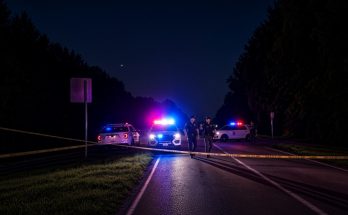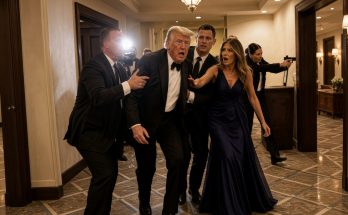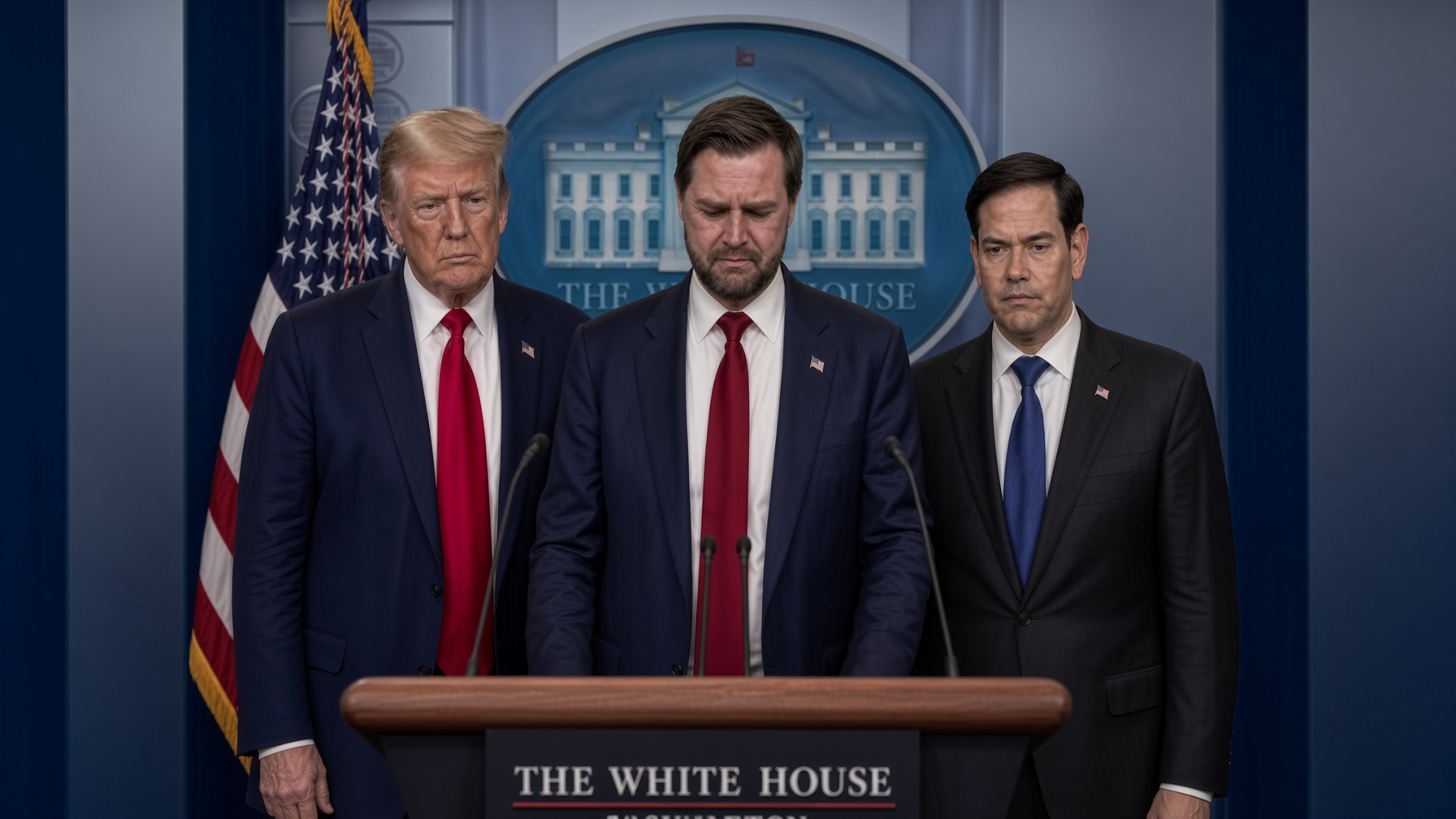
WASHINGTON — A black-tie gathering of the nation’s political and media elite descended into chaos on April 25, 2026, after an armed man allegedly charged through a federal security checkpoint at the Washington Hilton and opened fire, wounding a U.S. Secret Service officer before being tackled just outside the main ballroom.
The shooting triggered the immediate tactical evacuation of President Donald Trump and senior administration officials, abruptly ending the annual White House Correspondents’ Association dinner and launching a sweeping federal prosecution.
Federal authorities identified the suspect as Cole Tomas Allen, 31, of Torrance, California. According to filings from the U.S. Department of Justice, Allen approached a Secret Service screening station on the hotel’s Terrace Level shortly after 8:30 p.m., carrying a loaded 12-gauge pump-action shotgun, and sprinted past the magnetometers toward the stairwell leading directly into the banquet hall.
Breach and Gunfire at the Checkpoint
Prosecutors say the confrontation unfolded in seconds. At approximately 8:40 p.m., as Allen lunged past the screening line, he discharged a Mossberg Maverick 88 12-gauge shotgun, striking an on-duty Secret Service officer directly in the chest.
The officer’s concealable ballistic vest absorbed the blast, preventing fatal internal trauma. Despite the point-blank impact, the officer drew his service weapon and returned fire, discharging five rounds. Allen was not hit by the gunfire; he dropped to the floor, sustained a minor knee injury during the scuffle, and was subdued by responding agents.
Protective details immediately initiated emergency protocols inside the ballroom, shielding Trump and moving cabinet secretaries, lawmakers, and foreign diplomats to secure subterranean exits. No fatalities were reported.
A search of Allen following his arrest revealed an arsenal. Investigators recovered the 12-gauge shotgun, a .38-caliber revolver, dozens of rounds of ammunition, two knives, four daggers, multiple tactical sheaths, wire cutters, and pliers.
Indictment Details Weeks of Preparation
Court documents unsealed in the U.S. District Court for the District of Columbia outline extensive cross-country preparation.
According to federal investigators, Allen booked a three-night reservation at the Washington Hilton spanning April 24 through April 26. He traveled by rail from California to Chicago before boarding a connecting train to Washington, checking into the hotel on the eve of the dinner.
Bureau of Alcohol, Tobacco, Firearms and Explosives trace records revealed that Allen legally purchased both firearms in California—the revolver in October 2023 and the shotgun in August 2025. Federal agents also recovered electronic communications sent by Allen prior to the breach, which prosecutors are citing to establish premeditation.
A federal grand jury returned a four-count indictment charging Allen with:
-
Attempted assassination of the president
-
Assault on a federal officer with a deadly weapon
-
Discharging a firearm during a crime of violence
-
Interstate transportation of firearms and ammunition with intent to commit a felony
Allen entered a plea of not guilty through counsel. Under federal law, he is presumed innocent unless proven guilty beyond a reasonable doubt.
Scrutiny Mounts Over Perimeter Security
The incident has triggered a comprehensive interagency review of protective perimeters at presidential events staged within commercial venues.
While magnetometers and armed checkpoints were operational on the Terrace Level, congressional oversight panels and security analysts have raised urgent questions regarding how an individual carrying an exposed long gun navigated interior hotel elevators and public lobbies before encountering law enforcement.
The episode carried chilling historical resonance for the capital. The Washington Hilton was the site of the March 30, 1981, assassination attempt on President Ronald Reagan, an event that reshaped modern executive protection. Forty-five years later, the same property became the backdrop for another near-catastrophe.
As the case moves toward trial in federal court, the breach stands as a sobering reminder of the acute vulnerabilities surrounding large-scale presidential movements, highlighting how a routine ceremonial gala can transform into a high-stakes tactical emergency in an instant.