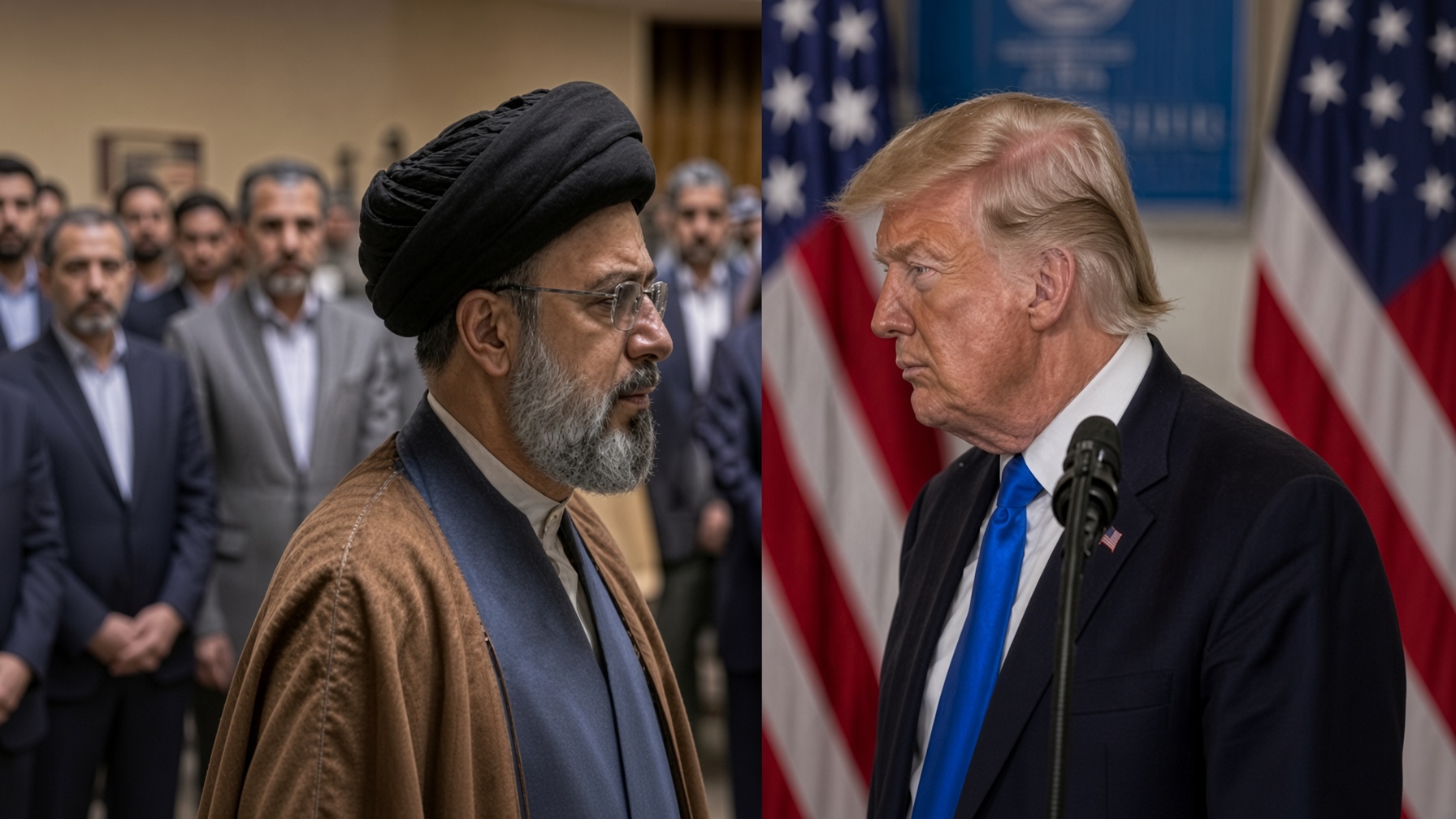
🚨 Iran–U.S. Tensions Rise as Hormuz Crisis and Nuclear Negotiations Continue
WASHINGTON — Diplomatic efforts to ease tensions between the United States and Iran are continuing amid renewed military activity, with the future of the strategically vital Strait of Hormuz and the limits of Tehran’s nuclear program emerging as central issues in negotiations.
Secretary of State Marco Rubio has emphasized that reopening the Strait of Hormuz remains a priority for the Trump administration, warning that continued disruption to the waterway threatens international trade and global energy supplies.
Speaking during a visit to India, Rubio described the closure as “unlawful, illegal, unsustainable for the world, and unacceptable.” He also confirmed that American and Iranian representatives were engaged in discussions in Qatar, where negotiators were working to develop the language of a preliminary agreement.
President Donald Trump has maintained that Washington is seeking what he calls “a good deal or no deal,” signaling that his administration is unwilling to accept an agreement it considers insufficient to address its security concerns. Rubio acknowledged that finalizing a comprehensive document could take additional time as officials work through unresolved questions.
🇺🇸 U.S. Military Strikes Add Pressure to Diplomacy
Even as negotiations continue, military developments have complicated efforts to reach a settlement.
U.S. Central Command announced that American forces had conducted what officials described as “self-defense strikes” in southern Iran. Capt. Tim Hawkins said the operation targeted missile facilities and Iranian vessels allegedly connected to efforts to place naval mines near important maritime routes.
According to U.S. military officials, the action was intended to protect American personnel and assets amid concerns about threats to shipping and military operations in the region.
A senior defense official also described concerns involving Iranian surface-to-air missile systems as American aircraft and naval forces operated near the Gulf of Oman and the Arabian Sea. The reported strikes took place near Bandar Abbas, an important Iranian naval center.
The developments underscore the challenge facing negotiators: efforts to establish a diplomatic framework are proceeding alongside military operations intended by Washington to counter perceived threats.
The precise circumstances surrounding the reported strikes, including their full consequences, would require further independent confirmation.
🤝 Iran and the United States Report Progress but Remain Divided
Despite the military activity, both sides have indicated that discussions have continued.
Iranian Foreign Ministry spokesperson Esmaeil Baqaei said Tehran and Washington had reached areas of understanding on several issues. However, he cautioned that the negotiations had not produced a final agreement and accused the United States of changing its positions during the process.
Trump, meanwhile, has continued criticizing the 2015 nuclear agreement negotiated under former President Barack Obama. He has argued that the accord provided Iran with economic relief without permanently guaranteeing that the country would not pursue nuclear weapons capability.
The competing positions reflect the fundamental difficulty of the negotiations. Washington wants stronger restrictions and enforceable safeguards, while Tehran has raised concerns about American demands and the reliability of commitments made during diplomatic discussions.
☢️ Nuclear Restrictions and Sanctions Relief Under Discussion
According to the proposed framework described by a senior U.S. administration official, negotiators have discussed several significant measures.
These reportedly include requiring Iran to eliminate its stockpile of highly enriched uranium, restore normal access through the Strait of Hormuz, and accept substantial restrictions on future uranium enrichment.
In exchange, the United States would reportedly end its naval blockade and begin reducing economic sanctions in stages.
However, these provisions should be understood as reported negotiating proposals rather than the terms of a finalized agreement. Their precise wording, implementation schedule and verification requirements remain unclear.
Officials involved in the discussions have indicated that technical questions could prove as difficult as the political negotiations themselves. Any agreement would need procedures for monitoring compliance, addressing suspected violations and determining what consequences would follow if either side failed to meet its obligations.
🌍 Strait of Hormuz Remains a Critical Issue
The Strait of Hormuz is one of the world’s most important maritime energy corridors, connecting the Persian Gulf with international shipping routes. Disruptions there can affect oil and gas transportation, shipping costs and energy markets far beyond the Middle East.
For Washington, restoring reliable passage through the strait is therefore both a security objective and an economic priority.
Whether the current diplomatic effort can produce a lasting settlement remains uncertain. The outcome will depend on whether the two governments can resolve their disagreements over nuclear restrictions, sanctions, maritime security and enforcement.
For now, negotiations continue against a backdrop of military pressure and mutual distrust. Although reported progress offers a possible path toward de-escalation, no final agreement has been established in the information available here.
The coming diplomatic discussions will help determine whether Washington and Tehran can turn preliminary understandings into a verifiable arrangement—or whether their differences will continue to threaten stability across the region.



