KYIV, Ukraine — Russia launched another reported wave of overnight missile and drone attacks across multiple regions of Ukraine, prompting air-raid alerts, emergency responses and renewed concerns about the safety of civilians and critical infrastructure, according to Ukrainian officials.
The attacks came as the war continued to place pressure on residential communities, public services and energy facilities. Ukrainian authorities reported damage in affected areas, while emergency workers were deployed to assess buildings, respond to fires and assist people reportedly injured during the strikes.
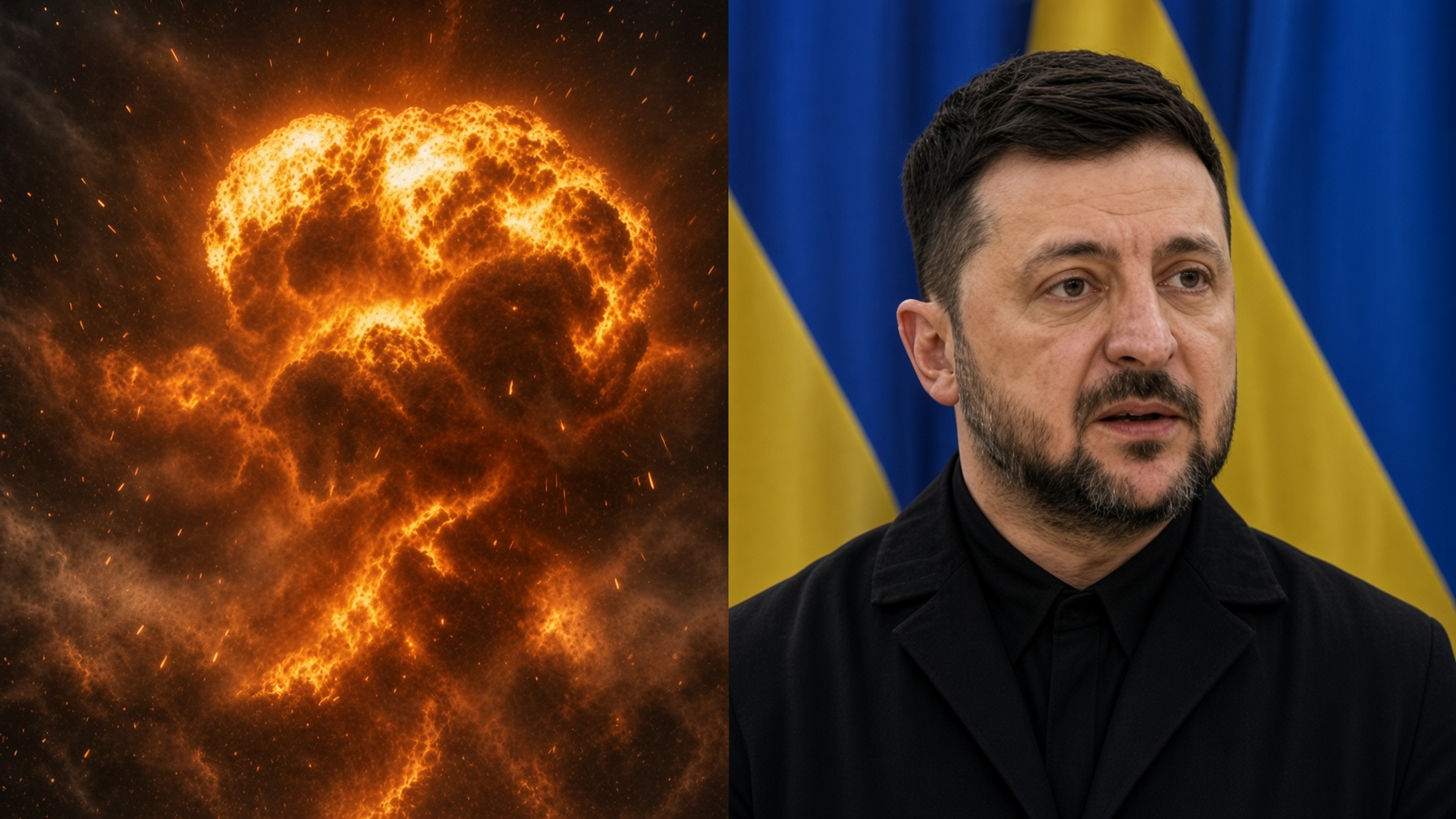
At the same time, unverified claims circulated across social media alleging that a Russian strike had killed Ukrainian President Volodymyr Zelenskyy at a secure location. Some posts went further, asserting that Ukrainian news outlets had confirmed his death.
Those claims have not been established as fact. No official confirmation or credible independent verification was provided in the information available for this report. The allegations should therefore not be treated as confirmed news.
The two developments—the reported overnight attacks and the online rumors about Ukraine’s president—highlight the continuing dangers facing the country, both from military operations and from the rapid spread of potentially misleading information during wartime.
Overnight Attacks Prompt Emergency Response
Ukrainian officials reported that air-raid alerts were activated across several regions as incoming missile and drone threats prompted defensive operations.
Residents were urged to seek shelter and follow instructions from local authorities. Emergency services responded to reported damage, with firefighters working to contain fires and rescue personnel examining affected structures for possible hazards.
Medical teams were also reported to have assisted people injured during the attacks. However, a complete and independently verified accounting of casualties, the locations affected and the extent of the damage was not established in the information provided.
Authorities typically require time to inspect damaged buildings, assess infrastructure and establish the circumstances surrounding reported injuries. Initial accounts can change as emergency operations continue and additional information becomes available.
The reported damage to residential and public infrastructure once again raised concerns about the risks faced by civilians in communities exposed to repeated aerial attacks.
Ukrainian officials have repeatedly emphasized the importance of air-defense systems in protecting population centers and essential services. Intercepting incoming weapons can reduce the risk of destruction, but the effectiveness of any defensive operation depends on factors including the number and type of weapons launched, their flight paths and the capabilities available to respond.
For residents, the immediate priorities remain reaching safe locations, receiving reliable emergency information and avoiding damaged areas until authorities declare them safe.
Unverified Reports About Zelenskyy Circulate Online
Separate social media posts claimed that a Russian strike had hit a secure Ukrainian facility and killed Zelenskyy. Some versions of the rumor alleged that Ukrainian media organizations had already reported the president’s death.
Such claims require particularly careful scrutiny because the death of a sitting head of state would be a major international development requiring strong, independently verifiable evidence.
As presented in the material available for this report, no authenticated statement from Ukrainian authorities, independently verified evidence or reliable confirmation from major international news organizations established that Zelenskyy had been killed.
The distinction between an unverified online allegation and a confirmed event is essential. A post may be widely shared without being accurate, and repeated claims from accounts that rely on one another do not necessarily constitute independent confirmation.
During armed conflicts, information can spread faster than journalists and officials can investigate it. Videos may be taken from earlier events, photographs may be presented without context, and fabricated headlines or impersonated news accounts can give unsupported claims the appearance of legitimacy.
Even when an attack itself is confirmed, details about its target, the people present and the consequences may remain uncertain. Evidence of an explosion or damaged building would not, by itself, prove that a particular political leader was at the location or had been killed.
For that reason, claims concerning Zelenskyy’s alleged death should remain unverified unless supported by credible evidence and independent confirmation.
Disinformation Complicates Wartime Reporting
False or misleading reports about political leaders, military developments and battlefield outcomes have become a recurring challenge in modern conflicts.
Governments, military organizations, journalists and independent researchers must often assess competing accounts while events are still unfolding. In such circumstances, inaccurate information can spread through reposts, anonymous channels and accounts presenting speculation as established fact.
Rumors about the death or disappearance of senior officials can also create confusion about political leadership and the course of a conflict. However, the circulation of a rumor does not establish who created it, whether it was deliberately coordinated or what purpose it may serve.
Readers can reduce the risk of sharing false information by checking whether a claim appears in official statements and established news reports, examining the original source of photographs or videos, and looking for independent corroboration.
A headline alone is not sufficient evidence, particularly when it contains an extraordinary claim but provides no named source, verifiable documentation or direct statement from a responsible authority.
Civilian Safety Remains a Central Concern
The reported overnight attacks underscore the continuing danger posed by missile and drone warfare in Ukraine. Residential buildings, energy infrastructure and public facilities can be damaged during strikes, disrupting daily life and placing additional demands on emergency services.
Repeated attacks can also create longer-term consequences for communities, including interrupted electricity supplies, damaged homes, displacement and pressure on medical and rescue resources.
Authorities have continued to urge residents to take air-raid warnings seriously, remain in designated shelters when alerts are active and follow instructions issued through reliable local channels.
People should avoid approaching unexploded weapons or suspicious debris. Such objects can remain dangerous even after an attack appears to have ended and should be reported to emergency services.
What Is Known—and What Remains Unconfirmed
The available account describes another reported overnight wave of Russian missile and drone attacks, with Ukrainian emergency personnel responding to damage and reported injuries. A complete casualty count and comprehensive assessment of the affected locations were not established in the information provided.
Separately, claims that Zelenskyy was killed in a Russian strike have circulated online, but those allegations have not been substantiated by the evidence available for this report.
The distinction matters. Reporting an attack does not establish every claim made about its consequences, and a viral post should not be treated as confirmation of a leader’s death.
As the situation develops, additional verified information may clarify the scale of the attacks, the damage caused and whether authorities have issued further statements.
Until reliable confirmation emerges, the claims about Zelenskyy should remain classified as unverified. In a fast-moving conflict, careful sourcing and a clear separation between established facts and online speculation are essential to accurate reporting.



