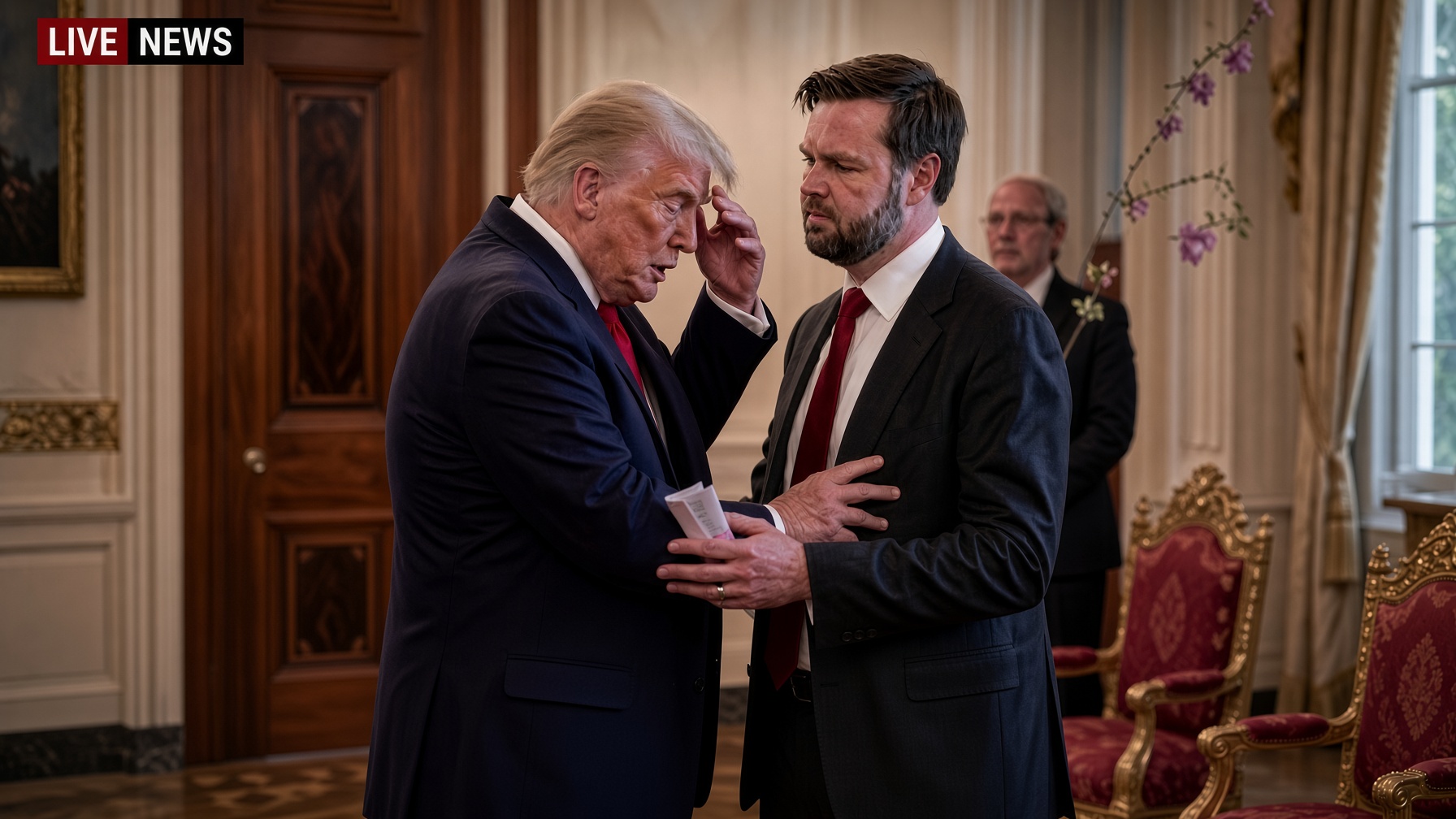
WASHINGTON — Social-media posts claiming that President Donald Trump was shot in Washington, D.C., have triggered concern online, with dramatic headlines presenting the alleged incident as a major security emergency. However, the claims remain unverified, and the information described in the circulating posts does not establish that a new shooting involving the president occurred.
The allegation highlights the challenges of distinguishing breaking news from misinformation in an environment where sensational headlines, photographs and video clips can spread rapidly before the facts are confirmed. While claims involving the safety of a sitting president naturally attract widespread attention, urgency and repetition on social media are not substitutes for reliable evidence.
As of the reporting described in the original posts, no substantiated evidence had been provided to confirm that Trump had been shot in Washington. The allegation should therefore not be presented as an established fact without current confirmation from authoritative sources and independent reporting.
🔎 VIRAL POSTS RAISE QUESTIONS ABOUT CREDIBILITY
Claims involving an alleged attack on a president can spread quickly across social-media platforms, where users may encounter alarming headlines before established news organizations have verified the information.
In some cases, older photographs or video footage from previous security incidents are recirculated with new captions that imply a fresh attack. Authentic images may also be paired with misleading descriptions, while fabricated screenshots and manipulated visuals can give unsupported claims the appearance of credibility.
The repetition of an allegation across multiple accounts does not independently establish its accuracy. Numerous posts may simply be repeating the same original claim without additional evidence.
For journalists and publishers, the essential questions are straightforward: When and where did the alleged incident occur? Is there authenticated evidence of a shooting? Were there any injuries? Have authorities acknowledged an incident, and have independent news organizations corroborated the information?
Until those questions can be answered, the allegation must remain clearly labeled as unverified.
🇺🇸 THE 2024 BUTLER ASSASSINATION ATTEMPT WAS A DOCUMENTED EVENT
The latest online claims come against the background of the confirmed assassination attempt against Trump during a campaign rally in Butler, Pennsylvania, on July 13, 2024.
Gunfire erupted as Trump addressed supporters, striking his ear and prompting Secret Service agents to rush him from the stage. One rally attendee, Corey Comperatore, was killed, while two other spectators were seriously injured.
The FBI identified 20-year-old Thomas Matthew Crooks of Bethel Park, Pennsylvania, as the gunman. Crooks was killed by a Secret Service counter-sniper during the incident.
The attack prompted extensive federal investigations and renewed scrutiny of the security arrangements surrounding presidential candidates. Images and video footage from the rally circulated worldwide, documenting the confusion and urgency that followed the gunfire.
Because the incident was widely photographed and recorded, footage from Butler can potentially be reused in misleading online posts. A clip showing Trump being escorted from the stage, for example, does not establish that another shooting has taken place in Washington or that the footage is recent.
The distinction is critical: The 2024 attack is documented history, but it does not substantiate a separate allegation of a new shooting.
🛡️ A SECOND SECURITY INCIDENT IN 2024
Trump also faced a separate security incident on September 15, 2024, near Trump International Golf Club in West Palm Beach, Florida.
A suspected gunman was discovered near the property’s perimeter while Trump was present. The incident triggered a major law-enforcement response and a federal investigation into what authorities treated as a potential assassination attempt.
The episode reinforced concerns about threats against the former and future president, but it also illustrates why accurate dates, locations and original sources matter when evaluating reports of violence.
Images from previous incidents can be detached from their original context and recirculated as purported evidence of a new emergency. Without verification of when and where the material was recorded, viewers may mistake old footage for current developments.
📢 WHAT IS ACTUALLY KNOWN ABOUT THE WASHINGTON CLAIM?
The central issue remains whether credible, current evidence supports the specific allegation that Trump was shot in Washington, D.C.
The material described in the viral posts does not establish that such an incident occurred. Without independently verified evidence or reliable confirmation from relevant authorities, the claim should not be reported as fact.
Readers and publishers should consult official statements from the White House and the U.S. Secret Service, alongside reporting from established news organizations. Any available photographs or videos should also be checked for their original publication dates, sources and context.
If credible new information emerges, coverage should be updated to distinguish confirmed details from unresolved questions. If authorities have not confirmed the alleged shooting, that uncertainty must remain prominent in both the headline and the article.
⚠️ WHY RESPONSIBLE REPORTING MATTERS
False reports of an attack on a sitting president can create unnecessary public alarm, spread confusion and undermine confidence in legitimate journalism. They can also make it harder for audiences to identify reliable information during a genuine emergency.
Readers can help limit misinformation by checking the source of a claim, reviewing publication dates, looking for independent corroboration and avoiding sharing sensational posts before their accuracy has been established.
BOTTOM LINE: The assassination attempt against Trump in Butler, Pennsylvania, on July 13, 2024, was a confirmed historical event. The separate social-media claim that he was shot in Washington, D.C., has not been established by the evidence described in the circulating posts. Until reliable, current confirmation becomes available, the allegation must remain unverified—not be presented as breaking news confirmed by authorities.



