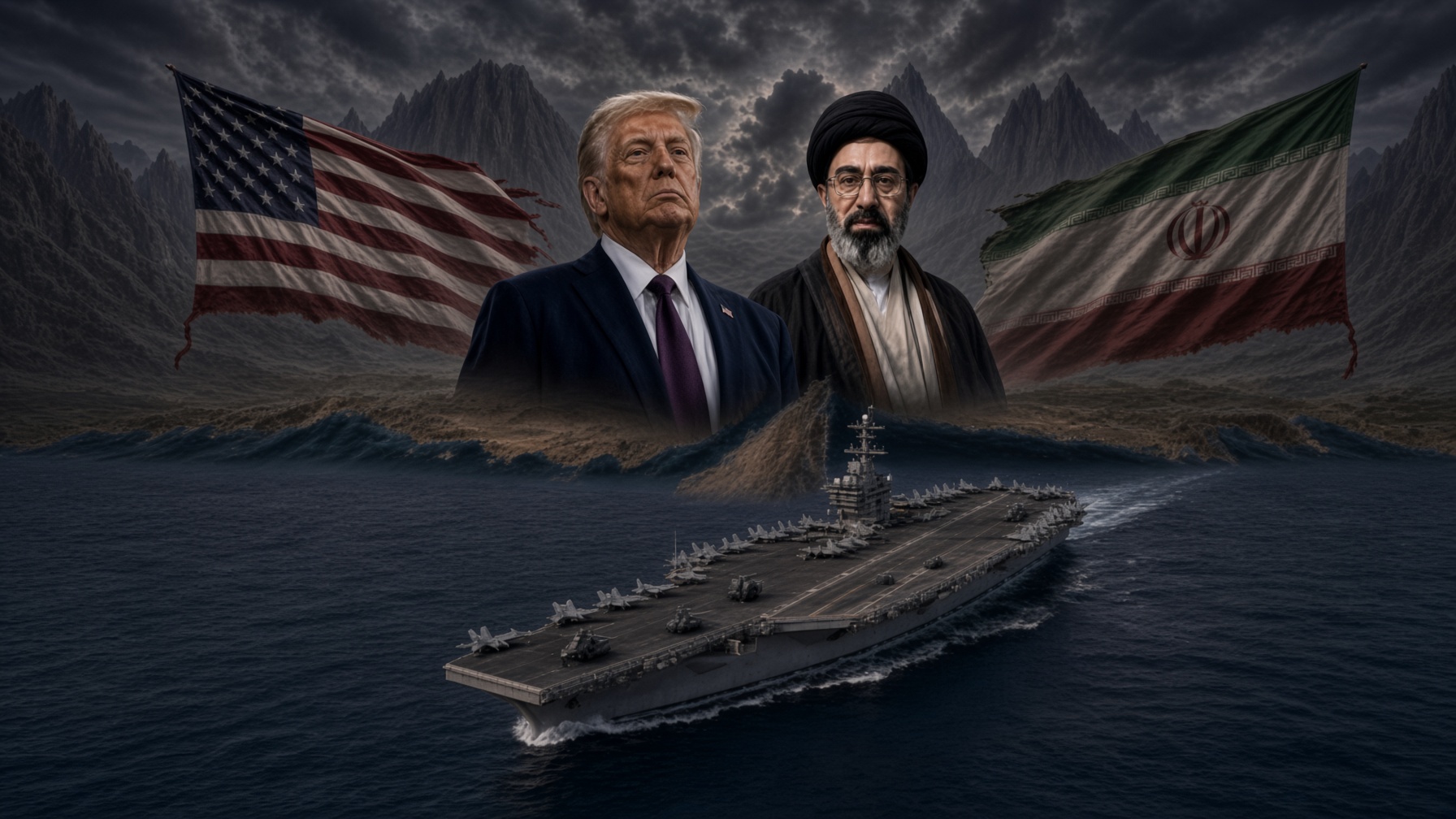
🕊️ High-Stakes Diplomacy Under Fire: Washington and Tehran Eye Fragile Peace Accord as Gulf Strikes Escalate
WASHINGTON — The Trump administration is maneuvering through a treacherous diplomatic and military landscape, attempting to lock down a formal pact to end the war with Iran even as live combat operations threaten to upend a six-week-old ceasefire.
Behind closed doors in Doha, Qatar, American and Iranian emissaries are hammering out draft terms aimed at dismantling Tehran’s nuclear ambitions and de-escalating regional warfare. Yet the precarious nature of the detente was laid bare in the Persian Gulf, where U.S. forces conducted a series of precision strikes against Iranian positions in southern Iran, highlighting how thin the margin for error remains.
War by Other Means: Strikes Around Bandar Abbas
While diplomats traded working drafts in Doha, U.S. Central Command (CENTCOM) confirmed on Monday that American naval and air assets launched coordinated “self-defense strikes” against military infrastructure in southern Iran.
According to CENTCOM spokesperson Capt. Tim Hawkins, the tactical operations hit Iranian missile launch installations and maritime units caught attempting to lay naval mines in regional waterways.
“U.S. Central Command continues to defend our forces while using restraint during the ongoing cease-fire,” Hawkins said.
Military officials declined to release specific coordinates or name targeted vessels, but verified that strikes occurred in the immediate vicinity of Bandar Abbas—Iran’s premier naval bastion and commercial port.
The strikes followed hostile radar locks and threats from Iranian surface-to-air missile systems against American aircraft. The U.S. maintains a formidable naval posture in the region, operating two carrier strike groups, nearly two dozen warships, and dozens of strike fighters. Despite the six-week-old pause in large-scale combat, sporadic clashes continue to imperil the armistice.
Rubio Draws Hard Line in New Delhi
Speaking to reporters during an official visit to India, Secretary of State Marco Rubio affirmed that negotiations are progressing, but cautioned that finalized language remains days away. Rubio focused squarely on the strategic chokepoint of the Strait of Hormuz, where international tanker traffic has ground to an effective halt.
“The straits have to be open, they’re going to be open,” Rubio said, characterizing the blockade as “unlawful, unsustainable and unacceptable to the international community.”
Turning to the Doha channel, Rubio signaled that President Donald Trump is prepared to walk away if negotiators fail to secure enforceable terms.
“I think it’s a lot of talking back and forth going on about specific language in the initial document, so it’ll take a few days,” Rubio said. “The president expressed his desire to make it. He’s either going to make a good deal or no deal.”
Doha Deadlock: Uranium Stocks vs. Verification Mechanisms
In Tehran, officials confirmed that negotiators have reached tentative agreements on major pillars of the framework, though they rejected suggestions that a signing ceremony is around the corner.
Iranian Foreign Ministry spokesman Esmaeil Baqaei told reporters: “It is correct to say that we have reached a conclusion on a large portion of the issues under discussion.” However, Baqaei accused Washington of shifting its positions mid-stream and warned that critical disagreements remain unresolved.
The core trade-offs currently under review in Doha hinge on verification and maritime access:
| Negotiating Track | Western Demand | Iranian Concession / Counter-Demand |
| Fissile Stockpiles | Elimination of highly enriched uranium (HEU) stockpiles | Agreed in principle; timeline and methods pending |
| Duration of Caps | 20-to-30-year binding moratorium on advanced enrichment | Demands proportional sanctions relief schedules |
| Maritime Freedom | Immediate, unconditional reopening of Strait of Hormuz | Simultaneous removal of the U.S. naval blockade |
| Sanctions Architecture | Phased relief contingent on strict monitoring access | Broad-based, upfront dismantling of economic sanctions |
Administration officials emphasize that any viable agreement must significantly surpass the 2015 Joint Comprehensive Plan of Action (JCPOA). President Trump has repeatedly attacked the 2015 deal, asserting that the Obama administration provided billions in liquidity while leaving Iran with a viable trajectory toward nuclear weapons capability.
The Narrow Path to a Settlement
For President Trump, securing a “good and proper” agreement represents an opportunity to permanently reshape Gulf security, remove the threat of an Iranian bomb, and restore global maritime shipping routes without committing U.S. forces to an open-ended land campaign.
Yet the operational reality at sea underscores the vulnerability of the talks. With Iranian mine-laying units still operating near critical chokepoints and U.S. carrier groups answering in real time with kinetic strikes, a single tactical escalation could shatter the Doha talks before the ink is dry.



