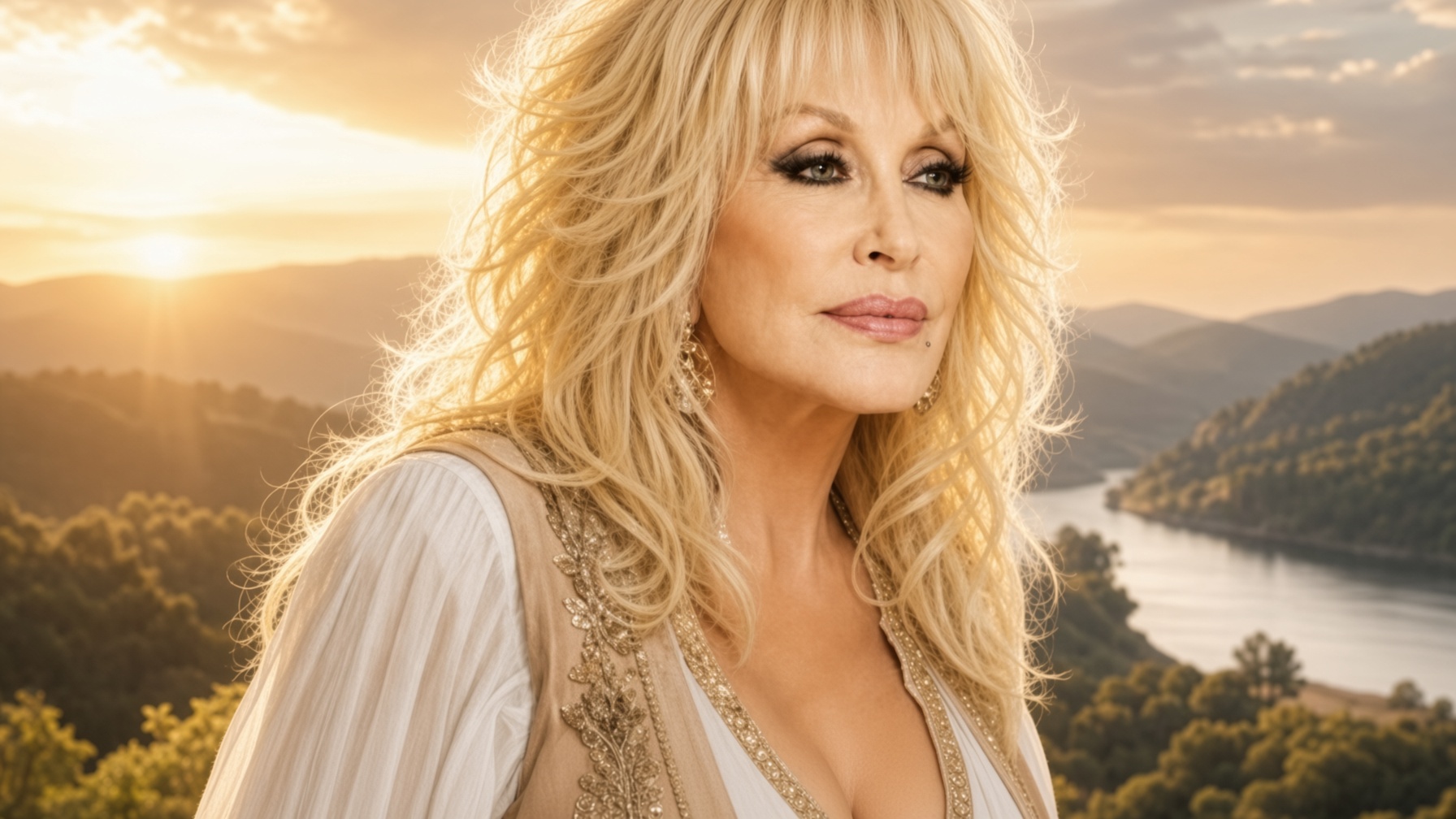
The world is mourning the loss of Dolly Parton, the legendary singer, songwriter, actress and philanthropist whose unmistakable voice and extraordinary personality made her one of the most beloved figures in modern entertainment. Parton died on August 25, 2026, at age 80, following a brief battle with cancer, according to her representatives. She died at Vanderbilt-Ingram Cancer Center in Nashville surrounded by loved ones.
Her death marks the end of an extraordinary career that stretched across more than six decades. Yet for millions of admirers, mourning Dolly is about far more than losing a musical superstar. Her songs, humor, generosity and unmistakable warmth became part of people’s everyday lives, creating a sense of familiarity that few entertainers ever achieve.
Dolly’s voice seemed to carry several worlds at once. It could evoke the churches and mountains of rural Tennessee, the hardship of poverty and the determination of someone determined to build a better life. Then, almost effortlessly, that same voice could fill a massive concert hall with joy and confidence.
Her songwriting gave audiences a vocabulary for heartbreak, ambition, loneliness, resilience and love. Songs such as **“Jolene,” “I Will Always Love You” and “9 to 5”** transcended traditional country-music boundaries because the emotions behind them were universal.
What made her success even more remarkable was how firmly she remained connected to her roots. Born into a large family in rural Tennessee, Parton grew up in poverty before traveling to Nashville and building one of the most successful careers in entertainment history. She never treated her humble beginnings as something to hide. Instead, she transformed those experiences into stories, songs and a lifelong commitment to helping others.
Her career ultimately expanded far beyond music. She became a television and film star, a successful businesswoman and the force behind Dollywood, while continuing to write and perform. She sold more than 100 million records and earned 11 Grammy Awards, among numerous other honors.
In 1995, Parton launched the Imagination Library through the Dollywood Foundation. The program eventually grew into a global literacy initiative that has distributed more than 304 million free books to children.
For families who received those books, Dolly’s generosity was not an abstract celebrity gesture. It arrived at their homes in the hands of children who were being encouraged to read, imagine and dream. Her philanthropy reflected a philosophy that success should create opportunities for people who might otherwise be overlooked.
That spirit extended into other areas as well. Parton supported disaster relief, medical research and numerous charitable causes, including a $1 million donation that helped fund COVID-19 vaccine research. Her influence reached far beyond the stage because she consistently used her wealth and visibility to support causes she believed could improve people’s lives.
Her personality was another essential part of her appeal.
Dolly understood the power of humor. She could laugh at herself, control the jokes surrounding her appearance and turn criticism into part of her public charm. She projected confidence without losing warmth and achieved extraordinary fame without making ordinary people feel insignificant.
That ability helped her cross cultural and generational boundaries. Country fans embraced her. Pop audiences discovered her songs. Hollywood celebrated her performances. Younger generations continued finding her through collaborations, social media and the artists she influenced.
Her death has now prompted an extraordinary outpouring of grief. Fellow musicians, actors and public figures have shared tributes, while fans have gathered at Dollywood and other places associated with her life to remember what she meant to them.
Parton’s family has also asked for privacy during this difficult period. Her representatives have confirmed the cause of death while emphasizing that she spent her final days surrounded by people who loved her.
There is something fitting about the fact that Parton’s legacy cannot be reduced to a single song, award or career achievement.
She turned hardship into art.
She turned fame into philanthropy.
She turned humor into resilience.
And she turned success into an opportunity to give children books, families hope and audiences generations of music.
Dolly Parton may no longer be here to sing those songs herself, but her voice will continue to travel through recordings, films, books, performances and the countless lives touched by her generosity.
Her final chapter has ended.
Her legacy has not.
For millions of people around the world, Dolly Parton will remain what she always seemed to be: a larger-than-life star who somehow managed to make an enormous audience feel as though she were singing directly to each of them.