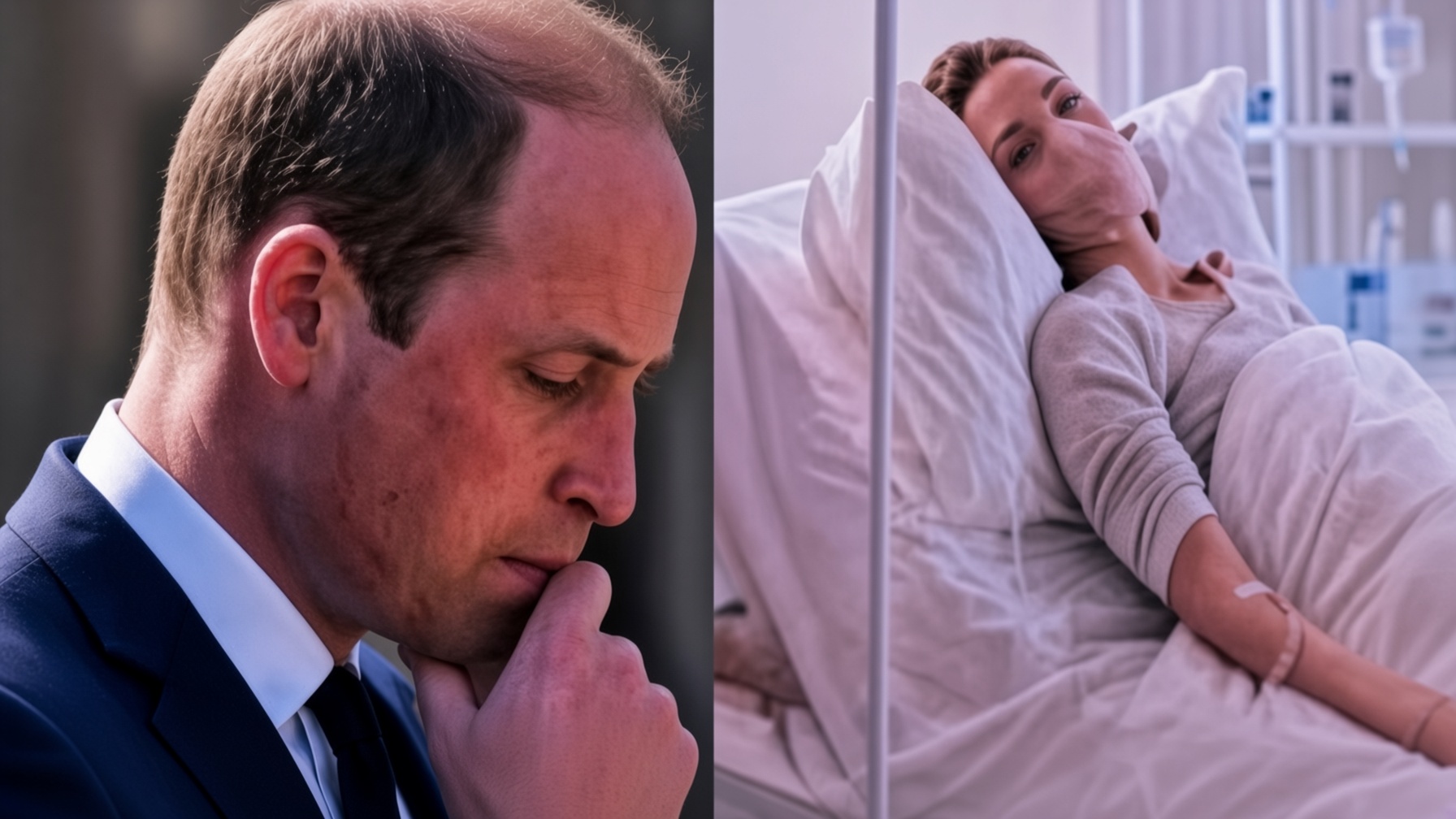
A reported private conversation between King Charles III and Prince William has reignited intense interest in the emotional history of the British royal family, with claims that the monarch finally confronted painful memories, regrets and family tensions that have remained largely unspoken for decades.
According to accounts surrounding the alleged exchange, the conversation took place away from advisers, cameras and the carefully controlled language normally associated with the monarchy. Rather than king and heir, Charles and William were described simply as father and son—two men confronting the complicated legacy of a family shaped by duty, tragedy and extraordinary public scrutiny.
Any specific claims about private remarks should be treated cautiously, particularly when they come from unnamed sources. Nevertheless, the broader history between Charles, William and Prince Harry is well documented.
At the center of that history is the death of Diana, Princess of Wales, in Paris in August 1997. William was 15 and Harry was only 12 when their mother died. Their grief unfolded under an extraordinary global spotlight, with millions watching the funeral procession and the two young princes walking behind their mother’s coffin.
For the boys, however, the event was more than a historic spectacle. It was the loss of their mother.
William and Harry ultimately responded to that childhood trauma in very different ways. William moved increasingly toward royal duty and became one of the monarchy’s most senior figures. Harry eventually stepped away from frontline royal responsibilities and relocated to the United States with his family.
Those different paths contributed to a profound rupture between the brothers.
Charles has remained at the center of that complicated family story. He is simultaneously William and Harry’s father, the monarch and a central figure in the circumstances surrounding their childhood. That combination makes any private conversation between father and son potentially significant—but it also makes sensational claims about what was supposedly said especially difficult to verify.
If Charles did express regret or acknowledge painful decisions from the past, such an admission would not erase decades of complicated family history. Nor could an apology restore the childhood the brothers lost or change the events that shaped their adult lives.
But acknowledgment can carry enormous emotional weight.
William has spent much of his adult life building an image of stability, responsibility and continuity. As heir to the throne, he is expected to protect an institution that has existed for centuries while simultaneously carrying memories of a childhood that was anything but ordinary.
Harry, meanwhile, has spoken publicly about grief, family conflict and the pressures associated with growing up inside the royal institution. His decision to leave royal duties and establish a life in California created further distance from his father, brother and the monarchy.
Yet the brothers remain connected by the same fundamental history: the same parents, the same childhood and the same devastating loss of their mother.
That shared history may help explain why reports of reconciliation or private family conversations generate such intense public interest.
Still, reconciliation is rarely a single dramatic moment. It cannot be manufactured through a palace announcement or a carefully staged photograph. Trust is rebuilt privately, through repeated conversations, accountability and a willingness to acknowledge pain without immediately becoming defensive.
For Charles, that could mean confronting difficult memories as a father rather than simply responding as a monarch. For William, it could mean acknowledging the complicated emotions that accompany his position as both son and future king. And for Harry, any meaningful reconciliation would likely require confronting years of resentment and mistrust.
None of this guarantees that the family will reunite.
Some wounds permanently change relationships. Forgiveness does not necessarily restore the past, and reconciliation cannot be demanded simply because circumstances have changed.
But if the reported conversation truly occurred, its importance may lie not in a sensational “bombshell” confession, but in something much more human: the possibility that members of one of the world’s most scrutinized families are finally willing to speak openly about what their history has cost them.
Behind the crowns, titles and constitutional responsibilities are people who have experienced grief, disagreement, love and loss.
Charles cannot change the past. William cannot recover the childhood he lost. Harry cannot erase years of estrangement.
But they can decide what happens next.
And if there is a future for this fractured family, it will likely be built not through grand royal gestures, but through private conversations, honest acknowledgment and the difficult decision to stop reliving the past long enough to create something better.