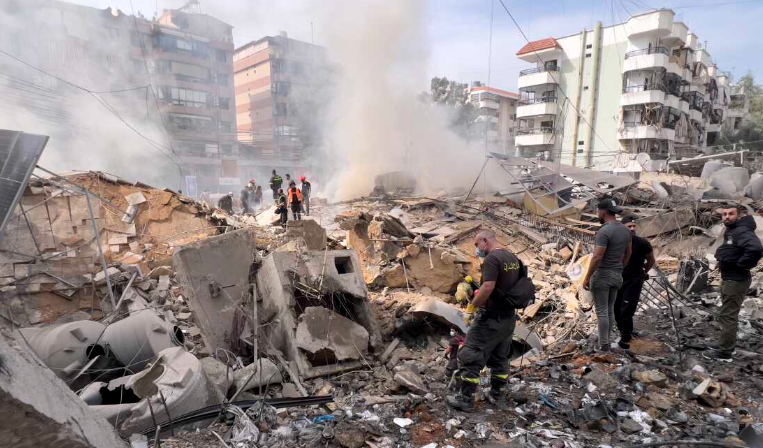
A series of reports circulating in regional and international media outlets indicate that Israel has conducted an extensive wave of air operations in Lebanon over a short period of time, with some claims suggesting that more than 200 strikes were carried out within 24 hours. These reports further allege significant civilian casualties and widespread damage in affected areas, although exact figures remain inconsistent across sources and have not been independently verified.
Different accounts from the region present varying assessments of the scale and impact of the strikes, with casualty numbers ranging widely depending on the source. As of now, there has been no unified confirmation from independent international monitoring organizations regarding the total number of strikes or confirmed fatalities, and the situation remains fluid and difficult to verify in real time due to ongoing hostilities and restricted access to affected zones.
The reported escalation comes amid already heightened tensions across the Israel–Lebanon border, where periodic exchanges of fire and military operations have contributed to a rapidly deteriorating security environment. Analysts note that the broader regional context remains highly volatile, with risks of further escalation involving multiple actors across the Middle East.
Government officials and military spokespeople from the parties involved have issued differing statements regarding the scope and intent of the operations, reflecting the ongoing information gap and competing narratives that typically accompany active conflict zones. Independent humanitarian and monitoring organizations have emphasized the challenges of confirming casualty figures during active strikes and have called for caution in interpreting early reports.
Humanitarian groups have also reiterated concerns about the impact of continued military activity on civilian populations, urging restraint and adherence to international humanitarian law. The potential for further escalation has raised alarm among regional observers, who warn that continued exchanges of strikes could significantly widen the scope of the conflict.
As the situation develops, international attention remains focused on verifying the scale of the reported operations and assessing their broader strategic and humanitarian implications. For now, the full extent of the events remains unconfirmed, and officials continue to monitor the situation closely as new information emerges.