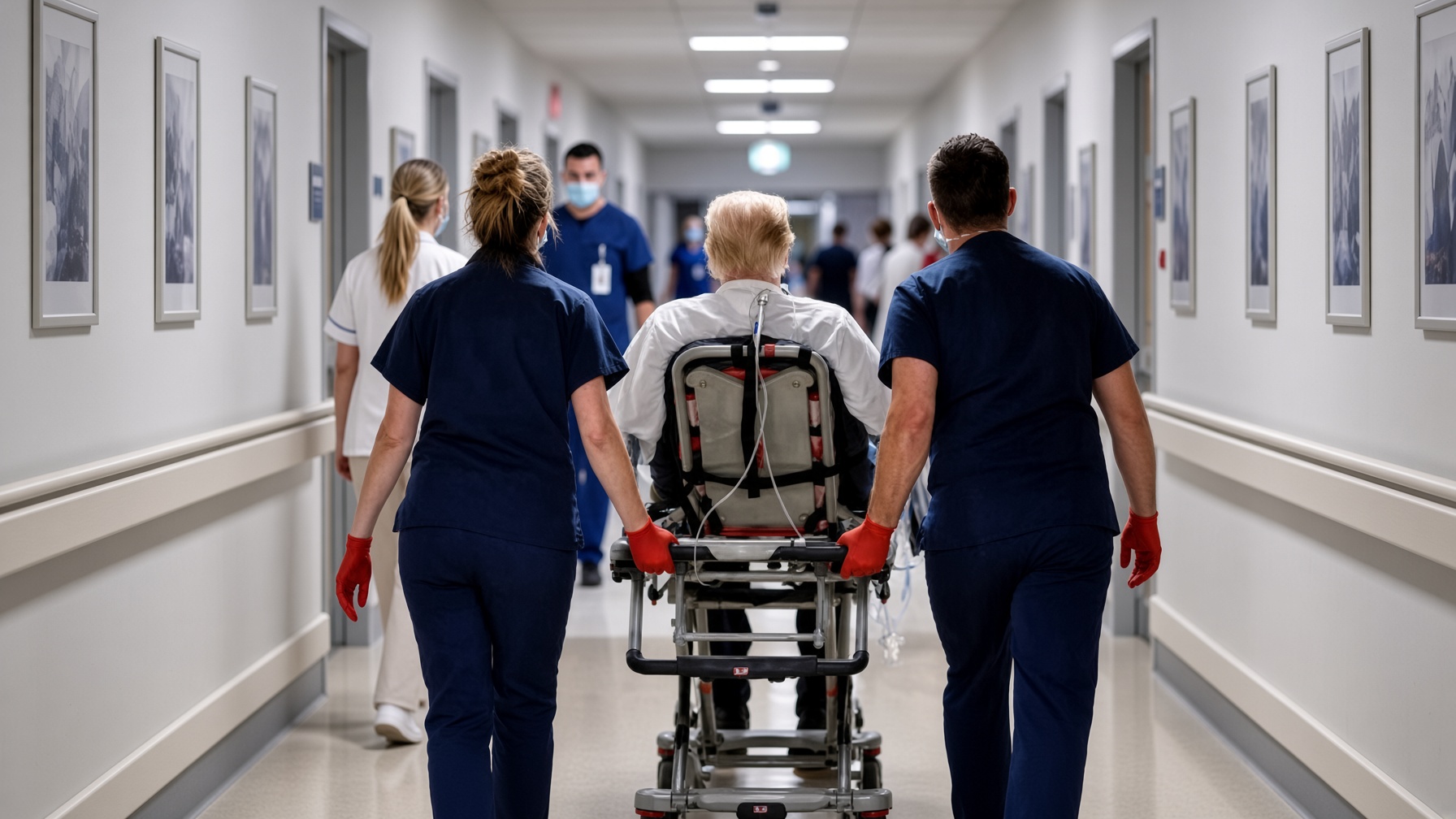
WASHINGTON — Fresh discussion surrounding President Donald Trump’s health has renewed attention on the medical evaluations of the nation’s oldest serving president and the extent to which detailed information about presidential health should be made public.
Reports circulating about a recent cognitive assessment describe an evaluation intended to examine areas such as memory, attention, language and other aspects of cognitive functioning. However, publicly available official sources reviewed for this report do not provide a detailed cognitive-test score or complete assessment matching all of the claims circulating online.
That distinction is important when discussing presidential medical information. A medical evaluation can involve a range of examinations, and the results of individual tests are not necessarily made public unless the president or medical team chooses to release them.
The White House has periodically released medical information concerning Trump. In May 2026, the White House published a memorandum from the White House physician, demonstrating that medical updates about the president continue to be issued through official channels.
Trump’s health has remained a subject of public attention because of the demands of the presidency and the importance of a president’s ability to carry out the responsibilities of the office. Questions about cognitive health have become particularly prominent in recent years as voters, physicians, journalists and political organizations have debated how candidates and presidents should disclose medical information.
There is no single federally mandated format requiring every president to publish a comprehensive cognitive examination or standardized medical record. As a result, the amount and type of information released can vary from one administration to another.
The debate involves competing considerations. Supporters of greater disclosure argue that Americans have a legitimate interest in understanding the health of presidents who exercise significant executive authority. Others emphasize that medical records contain private information and that physicians must distinguish between clinically relevant findings and details that do not need to become public.
The question of cognitive testing has also become politically significant following the 2024 presidential campaign and the subsequent debate over former President Joe Biden’s age and mental fitness. In June 2025, the Trump administration ordered an investigation into allegations concerning the handling of information about Biden’s mental health during his presidency. The White House memorandum made numerous claims about Biden’s cognitive condition, while those claims represent the administration’s stated position rather than an independent medical assessment of Trump.
At the same time, Trump’s administration has continued to place substantial emphasis on health policy. In 2025, Trump established the Make America Healthy Again Commission, and his administration has subsequently issued several health-related executive actions and initiatives.
For now, the most significant issue surrounding the reported cognitive evaluation is the limited public documentation available about the specific test, methodology and results. Without a released medical report or statement from the physicians involved, claims about precise cognitive findings should be treated cautiously.
The broader debate, however, is likely to continue. Presidential health disclosures remain an important part of public discussion, particularly as Americans consider how much medical information should be released about individuals entrusted with the powers and responsibilities of the presidency.