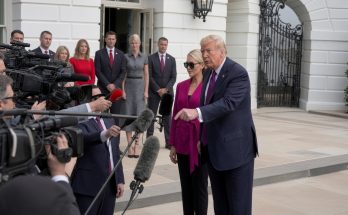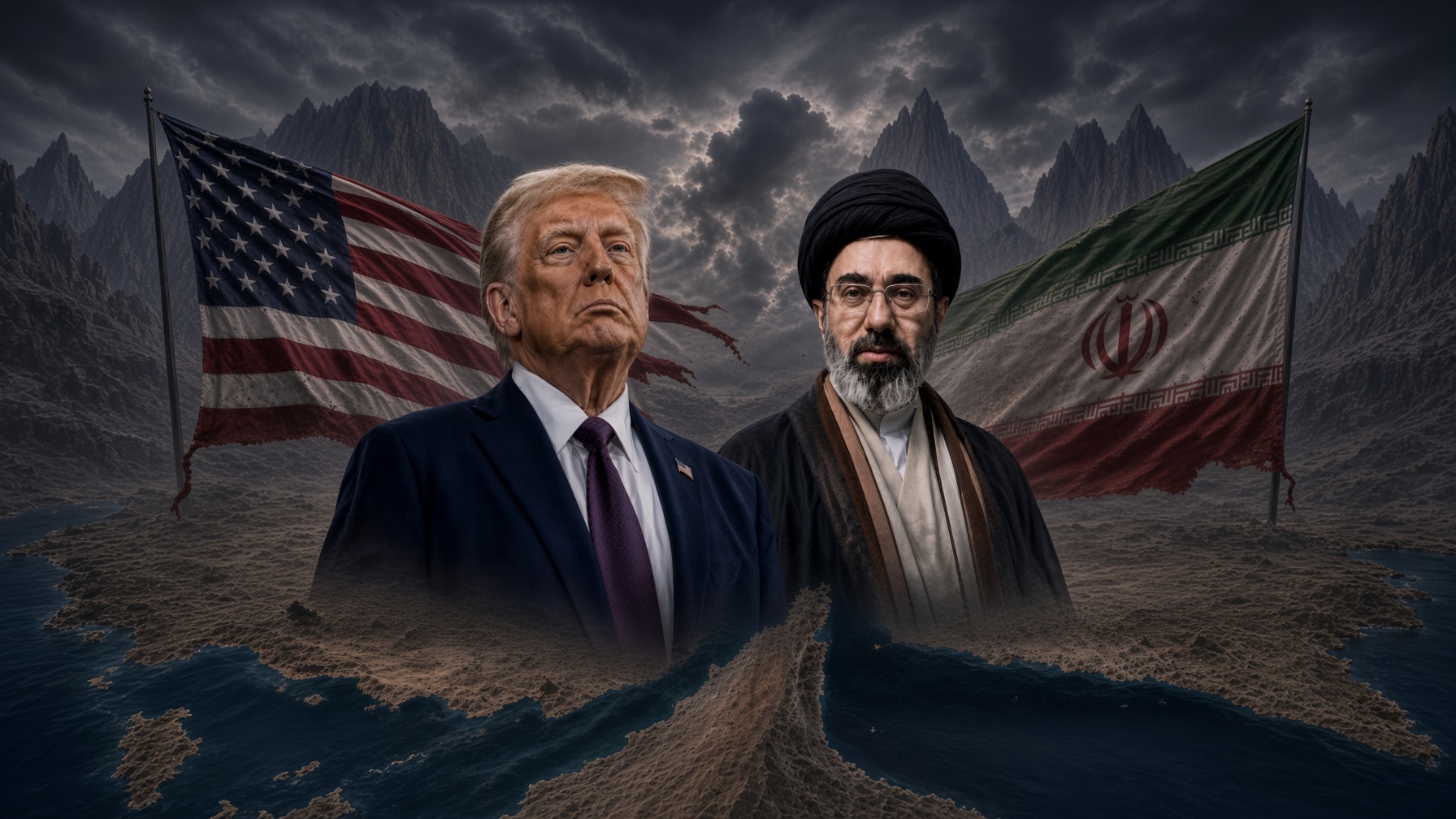
WASHINGTON — The Trump administration is pressing ahead with negotiations aimed at ending the war with Iran, even as U.S. forces continue conducting strikes against Iranian military targets and tensions remain elevated around the strategically important Strait of Hormuz.
Secretary of State Marco Rubio said negotiators were still working through the details of a potential agreement and indicated that reaching a final understanding could take several more days. Speaking during a visit to India, Rubio emphasized that Washington continues to demand that the Strait of Hormuz remain open to international shipping.
“The straits have to be open, they’re going to be open,” Rubio said, according to reports. He described the continued disruption of the waterway as unacceptable and stressed that the administration wanted either a substantive agreement or no agreement at all.
U.S. Conducts New Strikes
The diplomatic discussions have unfolded alongside renewed military activity.
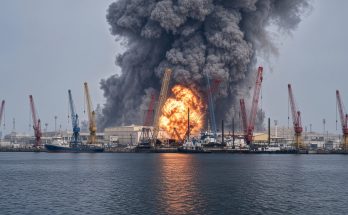
U.S. Central Command said American forces carried out what it described as “self-defense strikes” in southern Iran, targeting missile-launch sites and Iranian boats that U.S. officials said were attempting to lay mines in regional waterways.
Navy Capt. Tim Hawkins said CENTCOM was continuing to protect American forces while exercising restraint during the ceasefire. The military did not publicly identify all of the American vessels involved or provide detailed information about every strike location.
The latest attacks add another complication to negotiations intended to end the conflict. Iranian officials have criticized U.S. military action as a violation of the ceasefire, while Washington has described its strikes as defensive measures.
Talks Continue in Qatar
Negotiations involving the United States and Iran have continued in Qatar, with officials discussing the language of a preliminary framework.
Rubio said the negotiators were engaged in extensive back-and-forth discussions over specific provisions. Iranian Foreign Ministry spokesman Esmaeil Baqaei also acknowledged that progress had been made, saying the two sides had reached understandings on a substantial portion of the issues under discussion.
At the same time, Iranian officials cautioned that significant disagreements remained and that a final agreement was not necessarily close.
The competing assessments underscore the difficulty of converting broad areas of agreement into a binding settlement. Among the major issues are the future of Iran’s nuclear program, sanctions, enforcement mechanisms and the status of the Strait of Hormuz.
Nuclear Program and Sanctions
One of the central elements under discussion is Iran’s stockpile of highly enriched uranium and the future of its enrichment activities.
U.S. officials have said the administration wants firm restrictions on Iran’s nuclear capabilities, together with mechanisms capable of monitoring and enforcing those restrictions. The administration has also indicated that any new agreement would go beyond the 2015 nuclear deal, which President Donald Trump previously criticized.
The potential framework has also been linked to the reopening of the Strait of Hormuz and possible changes to U.S. sanctions policy.
The waterway is critical to global energy markets. U.S. Central Command has said American forces have been supporting commercial vessel movements through the strait, while continuing operations against Iranian military capabilities that Washington says threaten shipping.
A Fragile Path Toward an Agreement
Trump has said any agreement must meet his administration’s standards for what he calls a “good” and “proper” deal. The administration’s negotiating position has centered on nuclear restrictions while also addressing maritime security and freedom of navigation.
The continuing military activity, however, demonstrates the uncertainty surrounding the diplomatic process. While negotiators work toward an agreement, military forces on both sides remain engaged in a tense environment, creating the possibility that new incidents could complicate discussions.
For now, no final agreement has been announced. The outcome will depend on whether Washington and Tehran can resolve their remaining disputes over nuclear restrictions, sanctions, enforcement and the Strait of Hormuz.
Until those issues are settled, diplomacy and military operations are continuing in parallel, leaving the future of the ceasefire and the broader U.S.-Iran conflict uncertain.