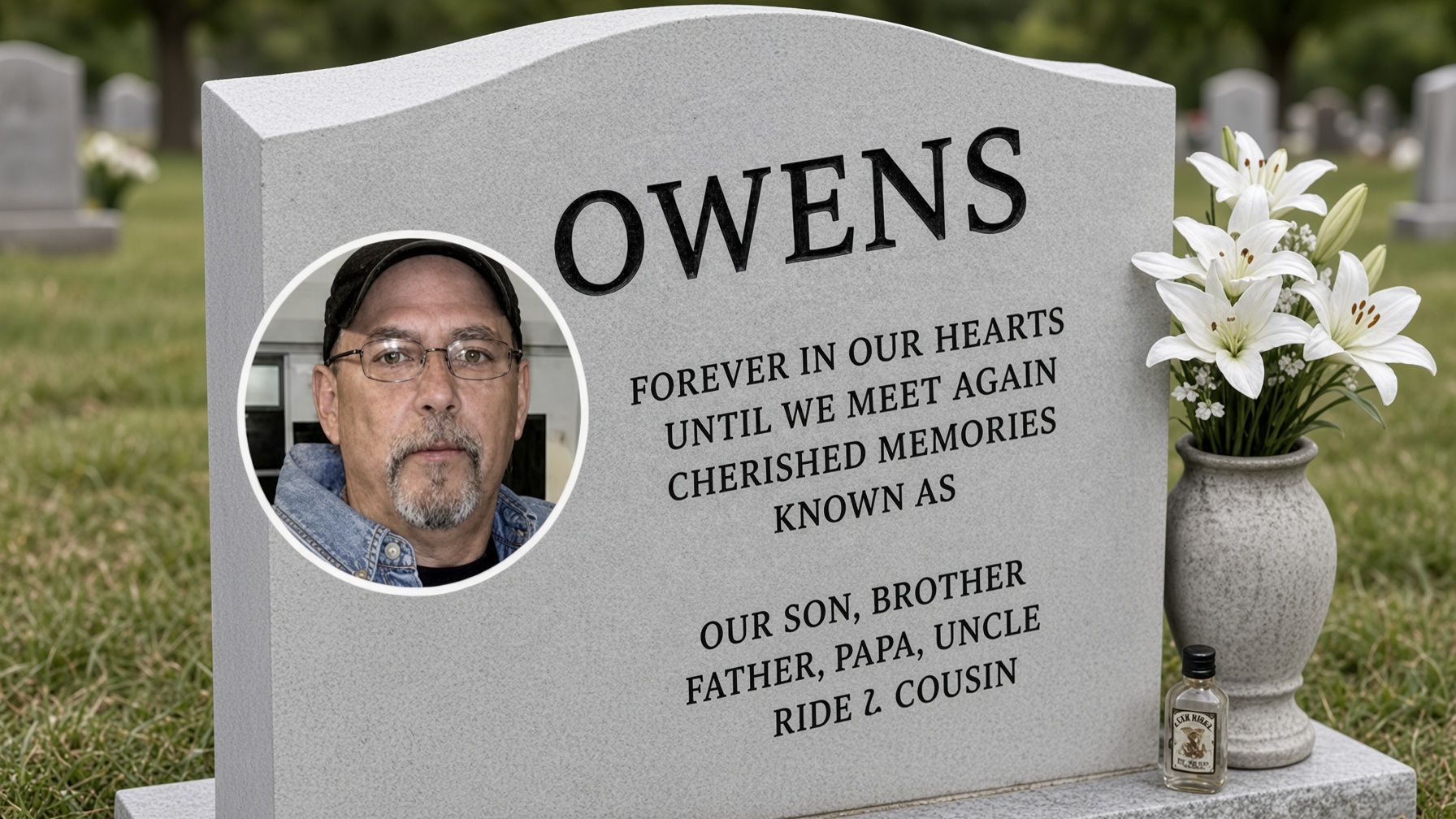
LOCAL COMMUNITY — A gravestone intended to serve as a private tribute has become the center of an unexpected dispute after a family included a hidden profanity in an inscription honoring a deceased father.
What began as an inside joke shared between a father and his children has evolved into a disagreement involving the family, cemetery officials and questions about who should have the final say over a memorial.
To the family, the unusual inscription represents the personality of a man they loved and remembered for his sense of humor. They argue that the message was deliberately included as a small, personal reference to the relationship they shared with him.
But cemetery officials have reportedly taken a different view. For trustees responsible for maintaining the grounds, the issue extends beyond one family and one monument. They say cemetery rules and standards exist to preserve an environment that remains respectful and appropriate for everyone who visits.
A Private Joke Becomes a Public Dispute
The controversy centers on an acrostic—a message created by reading selected letters from an inscription—which reportedly contains a profanity that is not immediately obvious to someone viewing the headstone.
Family members maintain that the message was never intended to offend other visitors. Instead, they regard it as a final expression of the deceased man’s personality and a reminder of the humor he shared with his children.
The dispute has nevertheless raised questions about whether a cemetery should have authority to determine what is considered appropriate on an individual’s memorial.
Cemetery trustees face their own concerns. Allowing an inscription that violates established standards, they argue, could create a precedent for other memorials and make it more difficult to enforce rules consistently.
Where Does Personal Expression End?
At the heart of the disagreement is a difficult question: Should a gravestone primarily reflect the wishes of the family, or must it also conform to standards established by the cemetery and the broader community?
For grieving relatives, memorials can carry deeply personal meaning. A phrase that appears inappropriate to an outsider may have an entirely different significance to those who knew the deceased.
At the same time, cemeteries are shared spaces visited by people of different ages, backgrounds and beliefs. Trustees are responsible for maintaining standards that apply across the property rather than accommodating every family’s individual preferences.
Reports indicate that officials have discussed removing or altering the disputed inscription, while the family has resisted efforts to change it. The disagreement could ultimately involve legal questions concerning cemetery regulations, property rights and the authority of trustees over memorials.
A Larger Debate About Legacy
The controversy has attracted attention beyond the cemetery, particularly online, where reactions have ranged from amusement to criticism.
Yet beneath the humor lies a more serious issue about grief and remembrance.
For the family, preserving the hidden joke means preserving something authentic about the man they lost. For cemetery officials, enforcing memorial standards means protecting rules intended to serve an entire community.
Neither perspective can be fully separated from the emotional weight of the dispute.
The case illustrates how something as permanent as a gravestone can become a point of disagreement over personal expression, community standards and the meaning of remembrance.
For the family, the inscription is a final joke shared with someone they loved. For cemetery officials, it is a question of rules and precedent.
And in the space between those competing views is a question that may be difficult to settle: Who ultimately controls the final words written in stone?