WASHINGTON — A reported coalition of 13 countries has emerged amid growing geopolitical tensions, drawing renewed attention from diplomats, military analysts and governments concerned about the increasingly fragile international security environment.
Early reports describe the group as a defensive coordination effort intended to strengthen cooperation among participating nations in response to what members reportedly view as expanding strategic and military threats. However, details surrounding the coalition remain limited, and there has been no clear indication that the alliance represents an imminent move toward military confrontation.
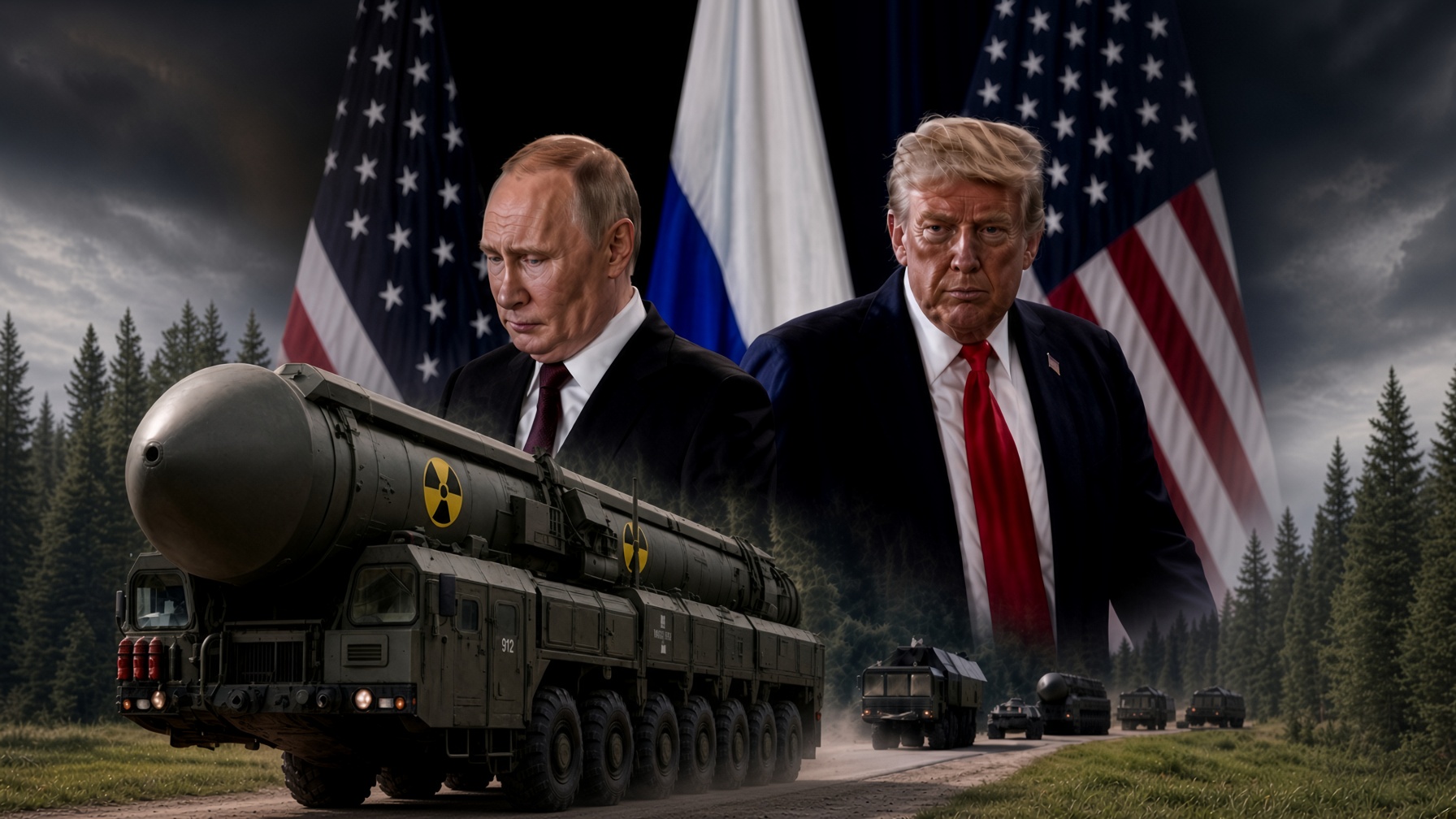
The reports come as tensions between major powers continue to intensify. Images circulating online have drawn particular attention after appearing to show advanced missile transport systems alongside senior political figures at a high-level international gathering. Analysts say such imagery can carry significant strategic meaning, particularly when military hardware is displayed in a diplomatic setting.
The movement of long-range missile systems has fueled speculation about the intentions of the countries involved. Defense experts note that the deployment or public display of advanced weapons can serve several purposes, including deterrence, signaling military readiness and demonstrating technological capabilities.
“This is not just about weapons,” one security analyst reportedly said. “It’s about signaling influence, unity, and resolve.”
Despite the heightened rhetoric, officials have reportedly emphasized that the coalition is focused on defense and strategic coordination rather than preparing for an immediate conflict. The distinction is significant as governments attempt to prevent misunderstandings or miscalculations that could rapidly escalate an already tense international environment.
The reported development has nevertheless attracted considerable attention within diplomatic circles. Governments are closely monitoring military movements and political statements, while international institutions are being urged to maintain communication channels between countries with competing strategic interests.
The situation also comes at a time when global markets remain sensitive to geopolitical developments. Any indication of a major military escalation could affect energy prices, international trade and financial markets, particularly if critical transportation routes or strategic regions become involved.
World leaders and diplomatic officials have continued to stress the importance of restraint and dialogue. International efforts are reportedly focused on preventing tensions from escalating while encouraging governments to communicate directly and clarify their intentions.
For civilians around the world, the developments have generated understandable concern. Social media has amplified the discussion, with dramatic interpretations of military imagery spreading rapidly. Security specialists have warned that such material can easily be misunderstood when viewed without reliable information about its origin, timing or strategic context.
The central question remains what the reported 13-nation coalition will ultimately become. It could represent a temporary effort to coordinate defensive policies, or it could evolve into a more formal security partnership with broader geopolitical implications.
For now, there is insufficient publicly available information to determine the coalition’s precise structure, military commitments or long-term objectives. Officials and analysts are expected to continue examining developments as additional information emerges.
What is clear is that the reported alliance comes at a particularly sensitive moment for international security. With military capabilities expanding and relations between major powers under increasing strain, even symbolic displays of unity and military readiness can carry significant consequences.
As governments assess the situation, the emphasis remains on verification, communication and diplomacy. Whether the reported coalition ultimately strengthens deterrence or contributes to further division will depend on how its members define their objectives—and how rival powers respond.