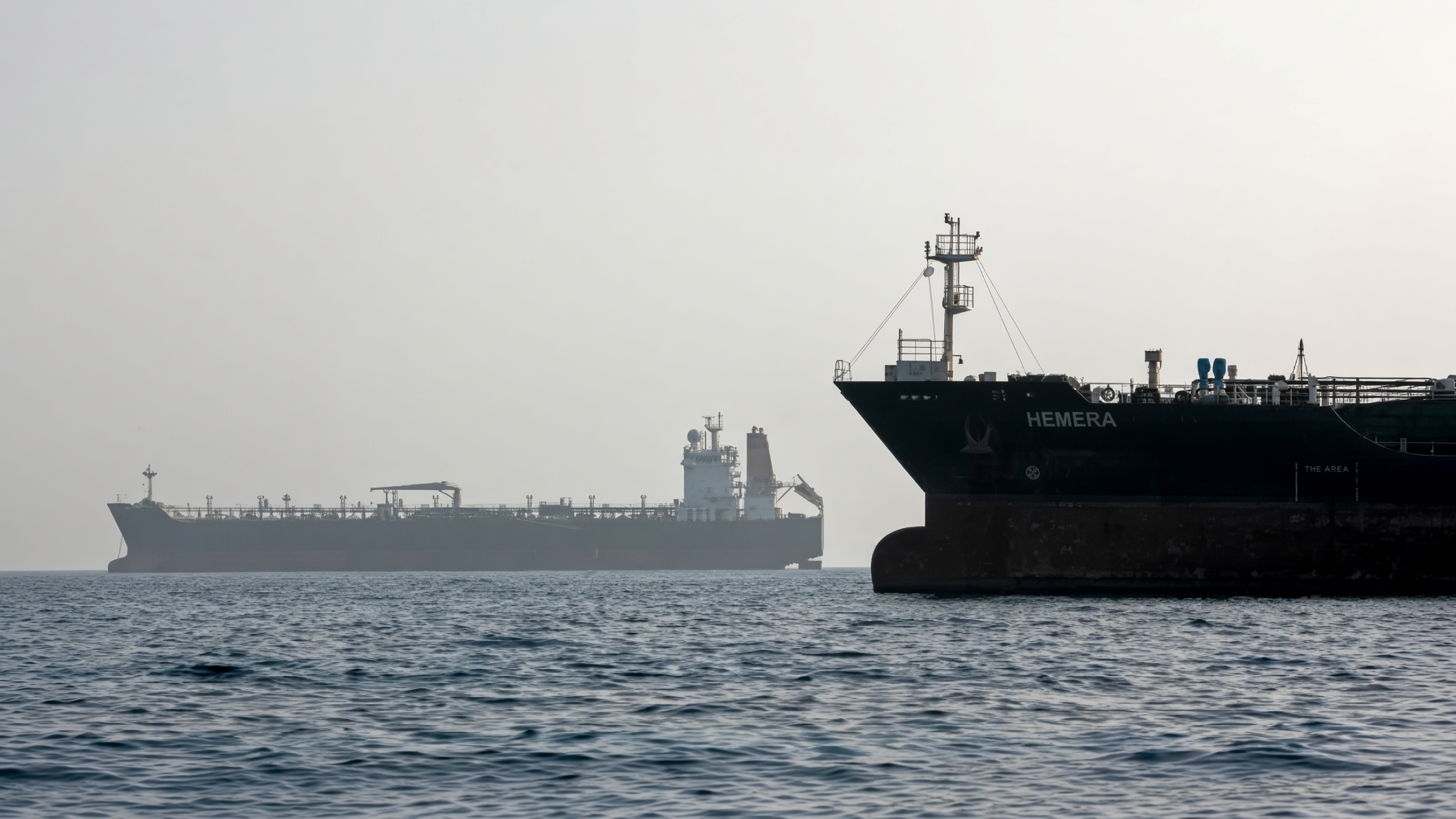
WASHINGTON — Tensions between the United States and Iran have sharply escalated after American forces struck Iranian rocket launchers on Larak Island near the Strait of Hormuz, prompting Tehran to launch retaliatory attacks against U.S. military positions in the region.
The U.S. operation on Sunday marked the first direct American military action against Iran in roughly a month. U.S. Central Command said the strikes targeted two Iranian launchers associated with the Islamic Revolutionary Guard Corps that were preparing to threaten shipping in the strategically important waterway.
Iran quickly vowed retaliation. The Islamic Revolutionary Guard Corps said it launched missiles and drones against U.S. military facilities in Jordan and the United Arab Emirates. Jordanian authorities said their air defenses intercepted eight missiles that entered the country’s airspace, and no injuries were immediately reported at the targeted bases.
UAE Drawn Into the Escalation
The United Arab Emirates also became involved in the latest exchange. Iranian forces claimed attacks against U.S. assets in the country, while UAE authorities reported intercepting an Iranian-origin drone over their territorial waters. Emirati officials have disputed some Iranian claims regarding damage to facilities, leaving the precise scope of the reported attacks unclear.
Iran has also claimed that its forces shot down a U.S. MQ-9 Reaper drone over the Strait of Hormuz. That claim was reported by Iranian state-linked media, although independent details surrounding the incident remain limited.
Strait of Hormuz at Center of Crisis
The confrontation is unfolding around one of the world’s most strategically important maritime corridors.
The Strait of Hormuz is a critical route for international energy shipments, and the continuing military tension has already affected commercial traffic through the waterway. Renewed fighting has also pushed oil prices higher as markets react to the possibility of further disruption.
Washington says its Larak Island operation was intended to prevent Iranian forces from placing additional mines in the strait. Tehran, meanwhile, has condemned the American action and insisted that it reserves the right to respond to what it considers aggression.
Conflicting Claims Add to Uncertainty
The latest escalation has also been accompanied by competing claims about additional military operations.
President Donald Trump posted a video claiming that Iran’s Kharg Island was being destroyed. However, Reuters reported that the video was AI-generated and found no evidence supporting the claim that the strategically important Iranian oil hub had been attacked. Iranian officials also rejected the assertion.
The conflicting accounts demonstrate the difficulty of establishing reliable information during an active military confrontation, particularly as governments and state media issue competing statements.
A Dangerous New Phase
The latest exchange represents the first direct U.S.-Iran military flare-up since late July and raises concerns that the relative lull between the two sides may have ended.
For regional governments, the danger is that attacks against U.S. forces could increasingly involve neighboring countries that host American military personnel. For Washington and Tehran, each new strike creates additional pressure to respond without triggering an uncontrollable escalation.
With the Strait of Hormuz remaining a major flashpoint and military forces across the region on heightened alert, the coming days could determine whether the latest confrontation remains limited or develops into a broader regional crisis.