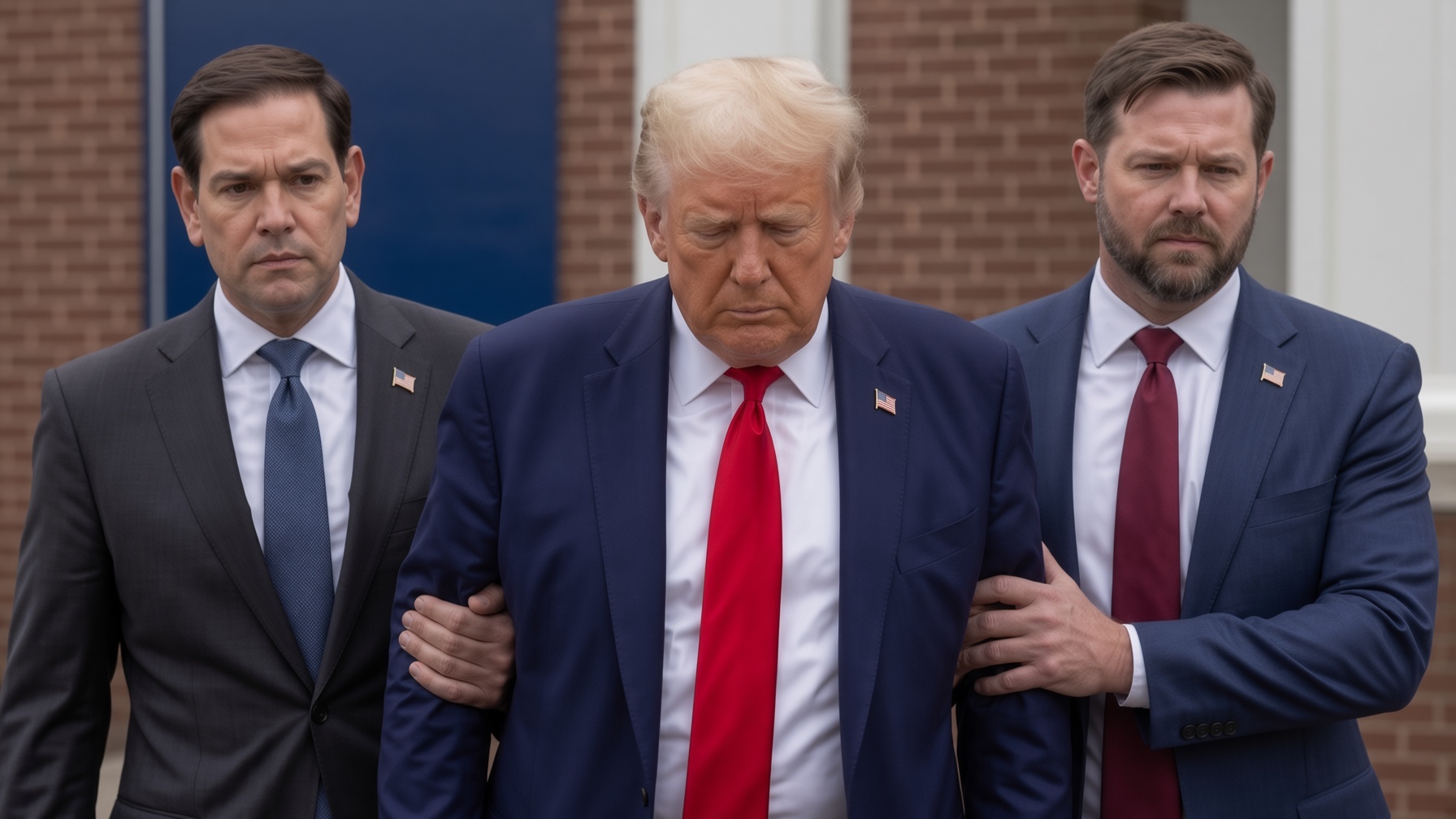
WASHINGTON — Recent changes to President Donald Trump’s public schedule have generated renewed discussion about his health, prompting heightened attention from journalists, political observers and members of the public.
Changes to a president’s daily schedule are not unusual. The White House routinely adjusts presidential calendars to accommodate national security briefings, diplomatic meetings, travel arrangements, classified discussions and other unexpected developments. Nevertheless, the latest revisions have attracted particular scrutiny amid the broader public debate over presidential age, health and fitness for office.
The changes quickly became a subject of discussion across television programs, digital news platforms and social media. Commentators offered competing interpretations of whether the adjustments represented ordinary scheduling decisions or reflected circumstances that had not been publicly disclosed.
At this point, however, there is no confirmed public evidence establishing that the schedule changes were caused by a medical issue. White House officials have maintained that Trump remains capable of carrying out his presidential responsibilities and have pushed back against speculation that the revised calendar signals an undisclosed health problem.
Administration officials have emphasized that the president’s schedule can change with little notice. The demands of the presidency frequently require last-minute alterations, particularly when national security developments, international events or urgent policy matters require the president’s attention.
The episode has nevertheless renewed a longstanding debate over transparency surrounding presidential health. The physical and cognitive condition of a president is considered a matter of significant public interest because the office carries responsibility for national security, military decisions and major executive functions.
Questions about presidential medical transparency have arisen under administrations from both major political parties. While the public has often sought detailed information about presidents’ health, administrations have also faced the challenge of balancing transparency with legitimate medical privacy concerns.
Supporters of Trump have argued that schedule adjustments should not automatically be interpreted as evidence of a health problem. They point out that presidential calendars frequently change for logistical and governmental reasons and caution against drawing conclusions from isolated alterations to public appearances.
Critics, meanwhile, have argued that greater transparency could help prevent speculation from spreading whenever changes to the president’s schedule attract attention. In their view, timely and credible information can help distinguish routine scheduling decisions from developments that may warrant public concern.
The absence of an official medical explanation has left much of the current discussion based on interpretation rather than verified evidence. Experts who follow presidential politics note that even relatively minor changes to a president’s public activities can receive considerable attention because of the importance of the office.
The issue also comes as Trump’s age and physical fitness remain subjects of continuing public discussion. Any changes in his public schedule or appearances are therefore likely to receive close scrutiny, particularly during politically significant periods.
For now, the White House has not publicly linked the revised schedule to a medical condition and continues to maintain that the president is performing his duties.
Until additional information is provided through official channels, the circumstances behind the schedule changes remain unclear. The latest developments underscore the importance of separating confirmed facts from speculation when evaluating questions surrounding presidential health and public activity.