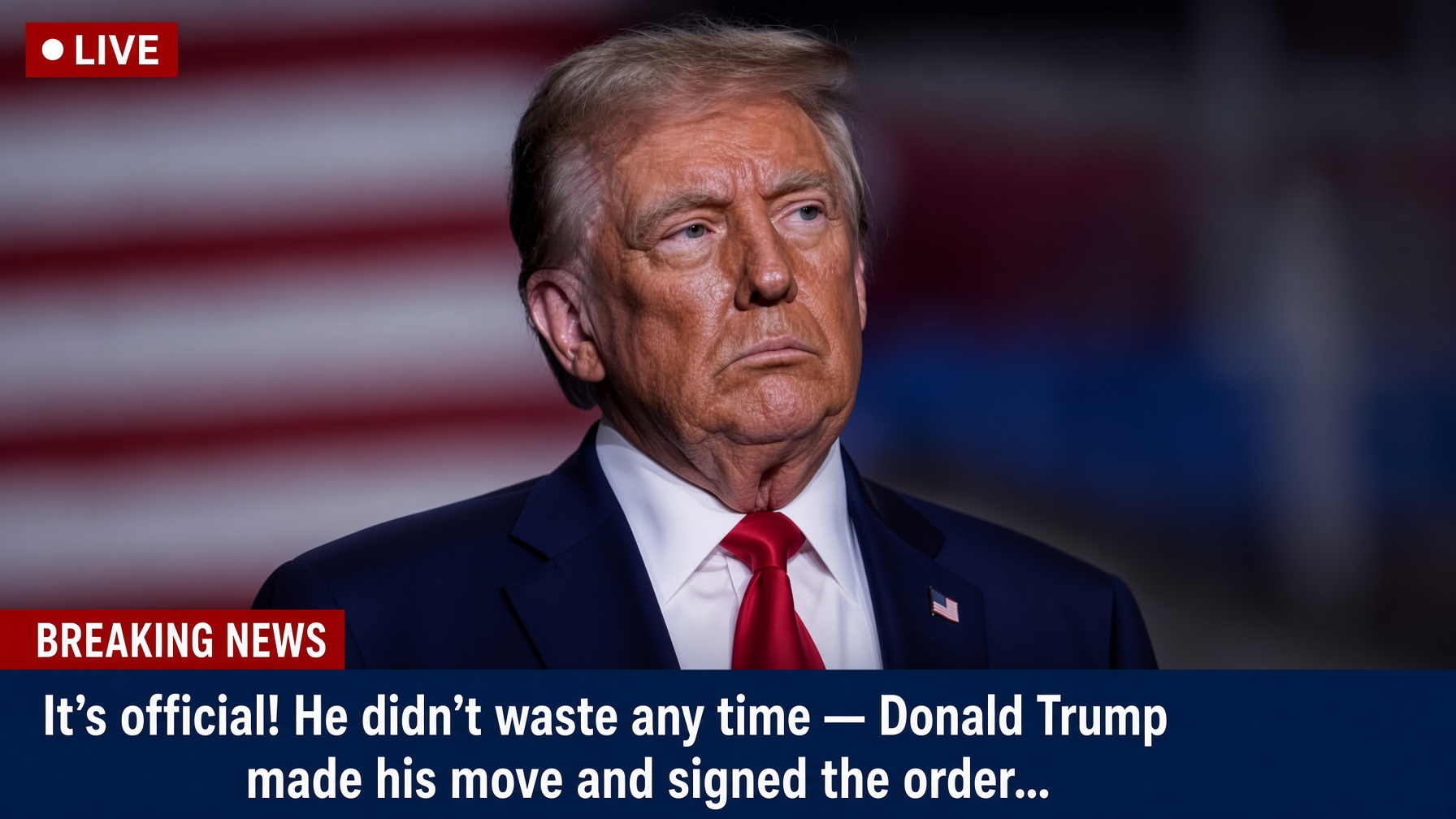
WASHINGTON, D.C. — Donald Trump is facing renewed legal scrutiny after prosecutors brought a sweeping set of federal allegations centered on efforts that investigators say threatened core democratic and constitutional processes.
The case has quickly become one of the most consequential legal battles involving a former president, raising questions about presidential power, accountability and the limits of political authority.
Prosecutors have accused Trump of engaging in conduct that could amount to conspiracy to defraud the United States, obstruction of an official proceeding and efforts to interfere with constitutionally protected rights. The allegations portray a broader effort rather than a single isolated incident, placing the actions under intense judicial and public examination.
A High-Stakes Constitutional Battle
At the center of the case is a fundamental question: where does legitimate political activity end and criminal conduct begin?
Prosecutors argue that the conduct described in the case went beyond protected political advocacy and involved deliberate efforts to interfere with government processes. Their allegations suggest that the actions had consequences extending beyond an individual election dispute and potentially affected the functioning of American democratic institutions.
Trump and his legal team have strongly disputed such characterizations, setting the stage for an aggressive courtroom battle. His attorneys are expected to challenge the prosecution’s interpretation of events, the evidence supporting the allegations and the legal theories underlying the charges.
The defense is likely to argue that the case improperly criminalizes political activity and could establish a dangerous precedent for future presidents and political leaders.
Implications Beyond Trump
The legal proceedings carry implications extending well beyond Trump personally. Whatever the ultimate outcome, the case could influence how courts and prosecutors interpret the boundaries of presidential authority and political conduct in future elections.
Supporters of the prosecution argue that holding powerful officials accountable is essential to maintaining the rule of law. Critics counter that politically charged prosecutions can deepen polarization and create a precedent that could eventually be used against political opponents.
The competing arguments are expected to remain central as the case moves through the courts.
For Trump, the proceedings represent another major legal challenge with potentially significant consequences for his political legacy. For the country, the case presents a larger institutional test over how the justice system responds when allegations involve one of the nation’s most powerful political figures.
As proceedings continue, the evidence, legal arguments and eventual rulings will determine whether prosecutors can substantiate their allegations. Until then, the charges remain allegations, and Trump is entitled to the presumption of innocence.
The case is likely to remain closely watched as the courts confront questions of accountability, constitutional authority and the boundaries of political power in the United States.