The relationship between military power and energy security has long been a central pillar of global strategy. Nations do not operate in a vacuum; they depend on steady access to energy resources—oil, natural gas, coal, and increasingly renewable sources—to sustain their economies, industries, and societies. At the same time, they rely on military capabilities to protect these resources, ensure uninterrupted supply chains, and project influence in regions critical to energy production and transit. The intersection of strong military presence and energy security is therefore not coincidental but deeply embedded in the logic of international politics.
This essay explores how military power and energy security reinforce each other, how states use armed forces to secure energy interests, and how evolving energy transitions are reshaping this relationship. It also examines the risks, ethical considerations, and future implications of this strategic nexus.
1. The Foundations of Energy Security
Energy security refers to the reliable and affordable access to energy sources necessary for economic stability and national development. For industrialized nations, disruptions in energy supply can lead to economic downturns, political instability, and social unrest. For developing countries, energy access is often tied to growth, modernization, and poverty reduction.
Historically, fossil fuels—particularly oil—have been the backbone of energy systems. Oil is not only vital for transportation but also for military operations themselves. Tanks, aircraft, naval fleets, and supply chains all depend heavily on fuel. Thus, ensuring access to oil has been both an economic and a military priority.
Natural gas and electricity grids have added complexity to energy security, introducing new vulnerabilities such as pipeline dependencies and cyber threats. Meanwhile, renewable energy sources like solar and wind are reshaping the landscape, offering the potential for greater energy independence but also introducing new strategic considerations such as supply chains for rare earth minerals.
2. The Strategic Role of Military Power
Military power serves several functions in the context of energy security:
Protection of Supply Routes:
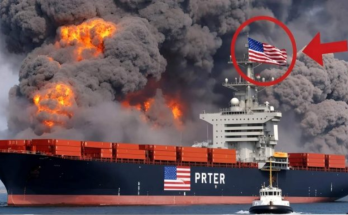
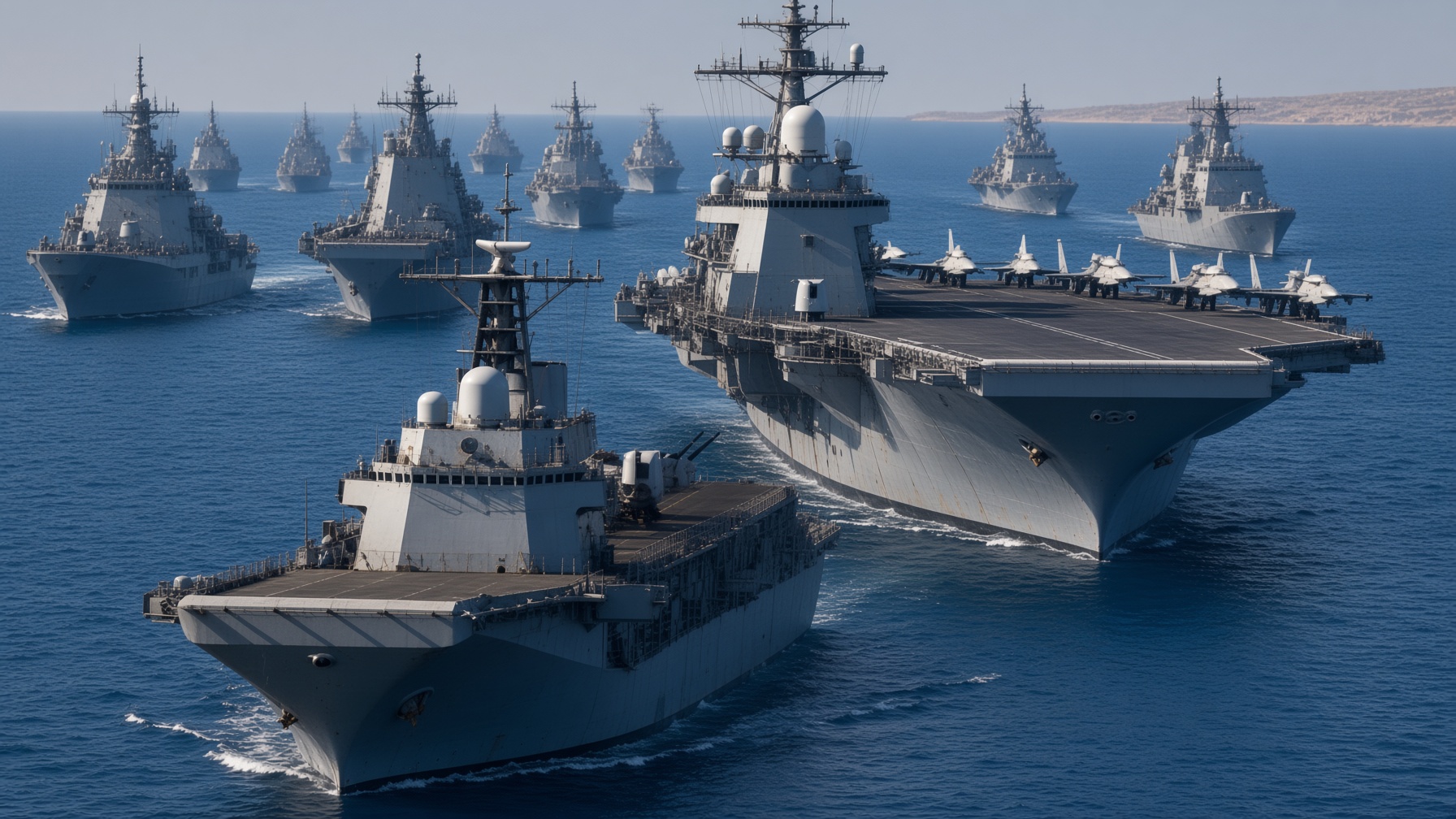
Global energy trade relies heavily on maritime routes and chokepoints such as straits and canals. A strong naval presence ensures that these routes remain open and secure from piracy, terrorism, or hostile state actions.
Deterrence and Influence:
A visible military presence in energy-rich regions can deter adversaries and reassure allies. It also allows countries to influence political developments in regions where energy resources are concentrated.
Direct Intervention:
In some cases, military forces have been used to directly secure or control energy resources, especially during conflicts or geopolitical crises.
Stability Operations:
Military involvement in stabilizing fragile states can indirectly protect energy infrastructure and investments.
3. Historical Context: Oil and Power Politics
The 20th century provides numerous examples of the interplay between military power and energy security. The rise of oil as the dominant energy source transformed global geopolitics. Major powers recognized that control over oil supplies could determine the outcome of wars and the balance of power.
During both World Wars, access to oil was a decisive factor. Nations that secured reliable fuel supplies had a significant advantage. After World War II, the strategic importance of oil continued to grow, particularly in regions rich in reserves.
The Cold War further highlighted the connection between military presence and energy strategy. Superpowers competed for influence in resource-rich regions, often supporting allied governments or intervening in conflicts to maintain access to energy supplies.
4. Maritime Security and Energy Transit
A large portion of the world’s oil and liquefied natural gas is transported by sea. Key maritime chokepoints—narrow passages that connect major bodies of water—are critical to global energy flows. Disruptions in these areas can have immediate and far-reaching economic consequences.
Naval forces play a crucial role in safeguarding these routes. Anti-piracy operations, convoy protection, and surveillance missions ensure that energy shipments reach their destinations. For example, international naval coalitions have operated in regions prone to piracy to secure shipping lanes.
The militarization of certain waterways also reflects their strategic importance. Nations maintain bases, deploy fleets, and conduct patrols to assert control or influence over these vital corridors.
5. Military Presence in Energy-Rich Regions
Energy-rich regions often attract significant military attention. This presence can take various forms, including permanent bases, rotational deployments, and securit