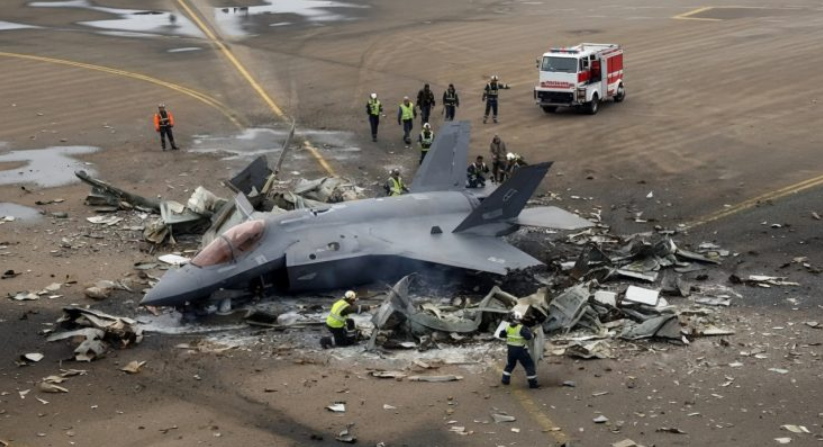
The U.S. Navy is mourning the loss of two highly respected aviators after an EA-18G Growler electronic warfare aircraft crashed during a routine training mission in the rugged mountainous wilderness east of Mount Rainier, claiming the lives of both crew members and sending shockwaves throughout the military aviation community.
On Monday, Navy officials formally identified the fallen service members as Lt. Cmdr. Lyndsay P. Evans and Lt. Serena N. Wileman, both 31 years old and California natives. The two officers served with Electronic Attack Squadron 130 (VAQ-130)—better known throughout naval aviation as the “Zappers”—based at Naval Air Station Whidbey Island in Washington state.
The tragic crash occurred during what officials described as a routine training flight designed to maintain the advanced operational readiness required of one of the Navy’s premier electronic warfare squadrons. While the precise circumstances surrounding the accident remain unknown, federal investigators have launched a comprehensive inquiry aimed at determining what caused the sophisticated aircraft to go down in one of the Pacific Northwest’s most remote and unforgiving landscapes.
Military officials emphasized that every available resource is being dedicated to uncovering the sequence of events leading up to the crash. Investigators are expected to examine flight data, maintenance records, weather conditions, communications, and any other available evidence to determine whether mechanical failure, environmental conditions, human factors, or another issue contributed to the accident.
The loss has been deeply felt throughout the Navy, where both Evans and Wileman were widely recognized not only for their professional excellence but also for their leadership, mentorship, and commitment to advancing opportunities for future generations of military aviators.
Lt. Cmdr. Evans served as a Naval Flight Officer, playing a critical role in operating the EA-18G Growler’s sophisticated electronic warfare systems. She gained national recognition after participating in the historic all-female military flyover during Super Bowl LVII, a milestone commemorating 50 years of women serving in U.S. naval aviation. The flyover symbolized decades of progress and honored the pioneering women who helped transform military aviation through determination, skill, and perseverance.
Colleagues remembered Evans as an exceptional officer whose professionalism and calm leadership earned widespread respect throughout the fleet. Fellow aviators frequently described her as a mentor who inspired younger sailors and officers while setting an example through her dedication to excellence and mission readiness.
Lt. Serena N. Wileman, commissioned as a Naval Aviator in 2018, also built an impressive record during her military career. As the pilot of one of the Navy’s most technologically advanced aircraft, she demonstrated exceptional flying ability while participating in demanding training exercises and operational missions.
Her service was recognized with numerous military honors, including the Navy Unit Commendation Medal and the Combat Action Ribbon, reflecting both her operational experience and contributions to national defense. Fellow service members remembered Wileman as a disciplined professional whose passion for aviation and unwavering commitment to her teammates made her a respected figure within the squadron.
Together, Evans and Wileman represented a new generation of highly skilled naval officers who excelled in one of the military’s most challenging and technically demanding career fields. Their accomplishments extended beyond their own achievements, serving as inspiration for countless young women considering careers in military aviation.
Recovery Effort Hampered by Difficult Terrain
Recovery operations have presented extraordinary logistical challenges due to the location of the crash site.
According to officials, the aircraft came down at an elevation of approximately 6,000 feet in steep, densely forested terrain east of Mount Rainier, an area characterized by rugged mountainsides, limited access, and unpredictable weather conditions. The difficult landscape has required specialized personnel and equipment to safely reach the wreckage and recover both the aircraft and evidence critical to the investigation.
After search-and-rescue efforts concluded and the mission transitioned into recovery operations, Washington Governor Jay Inslee authorized the deployment of the Washington National Guard to assist with securing the site and supporting investigators working in the remote wilderness.
Military officials stressed that preserving the integrity of the crash scene remains essential to ensuring investigators can accurately reconstruct the events leading to the accident.
Supporting Families While Seeking Answers
Cmdr. Timothy Warburton, commanding officer of the “Zappers,” said the squadron’s immediate focus remains supporting the families, friends, and fellow service members grieving the loss of two exceptional officers.
He emphasized that while investigators work to determine why the approximately $67 million EA-18G Growler crashed, the squadron is committed to honoring the memories of Evans and Wileman through continued support for their loved ones and by carrying forward the values they embodied throughout their naval careers.
Across the military community, tributes have continued to pour in from fellow aviators, veterans, elected officials, and defense leaders.
Among those paying tribute was U.S. Senator Patty Murray, who praised both women as pioneers whose achievements helped expand opportunities for future generations of military aviators. She described their service as a lasting testament to courage, professionalism, and dedication to the nation.
For the close-knit EA-18G Growler community, the tragedy serves as a painful reminder of the risks military personnel willingly accept each day—even during routine training missions. Such flights are essential to maintaining the readiness and capabilities required to defend the United States, but they also carry inherent dangers that every service member understands when putting on the uniform.
As the investigation continues, the legacy of Lt. Cmdr. Lyndsay P. Evans and Lt. Serena N. Wileman will endure not only through their distinguished military records but also through the countless lives they influenced as leaders, mentors, pioneers, and officers dedicated to serving something greater than themselves.
Their commitment to excellence, their historic contributions to naval aviation, and their sacrifice in service to their country will remain a lasting part of the proud tradition of the United States Navy.