U.S. President Donald Trump has ignited fresh political and diplomatic speculation after delivering a sharply ambiguous response when questioned about whether he would retaliate following an alleged ceasefire violation involving Iran.
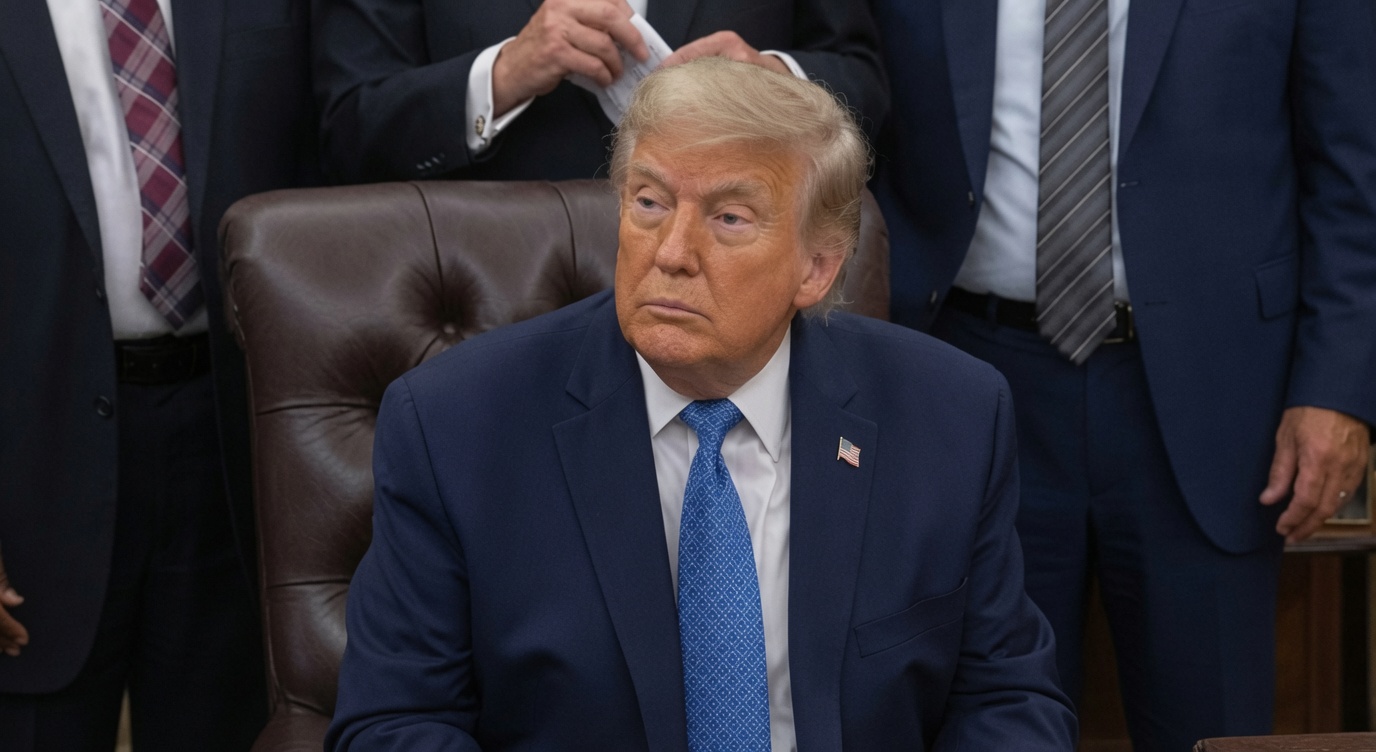
During a brief exchange with reporters, Trump was asked directly whether the United States would respond to the reported violation. Instead of confirming or denying any planned action, he responded: “You’re going to find out,” and reiterated, “Will I respond — you’re going to find out.” The remarks were delivered without further clarification, timeframe, or indication of diplomatic or military intent.
The comments quickly circulated across political media outlets and social platforms, with analysts interpreting the phrasing as deliberately strategic ambiguity rather than a concrete policy announcement. In international relations, such language is often used to maintain pressure on opposing states while avoiding public disclosure of operational decisions.
Observers note that the exchange comes amid heightened tensions surrounding regional security dynamics involving Iran and its adversaries. While no official confirmation of a ceasefire violation has been independently detailed in the statement itself, the rhetoric alone has been enough to intensify debate over whether Washington is preparing a diplomatic warning, economic measure, or potential military response.
Security analysts say the wording serves multiple purposes: signaling resolve to domestic and international audiences, maintaining uncertainty for strategic advantage, and preserving flexibility for decision-makers. However, they also caution that without official confirmation from U.S. defense or diplomatic agencies, the remarks should not be interpreted as an announcement of imminent action.
So far, neither the White House nor the Pentagon has released additional details clarifying what, if any, response is under consideration. Iranian officials have also not issued a direct statement addressing the specific exchange.
As of now, the situation remains defined more by rhetoric than by confirmed action—but the exchange has already added to an already tense geopolitical atmosphere, with global attention now focused on whether further developments will follow or whether the comments remain purely rhetorical signaling.