🏛️ HOUSE APPROVES TERRORISM INSURANCE EXTENSION THROUGH 2034 — WHAT IT MEANS FOR TRUMP AND THE U.S. ECONOMY
WASHINGTON — The U.S. House of Representatives has overwhelmingly approved legislation to extend the federal government’s terrorism insurance backstop through 2034, advancing a bipartisan effort aimed at protecting commercial property markets, major construction projects and businesses against potentially devastating financial losses from terrorist attacks.
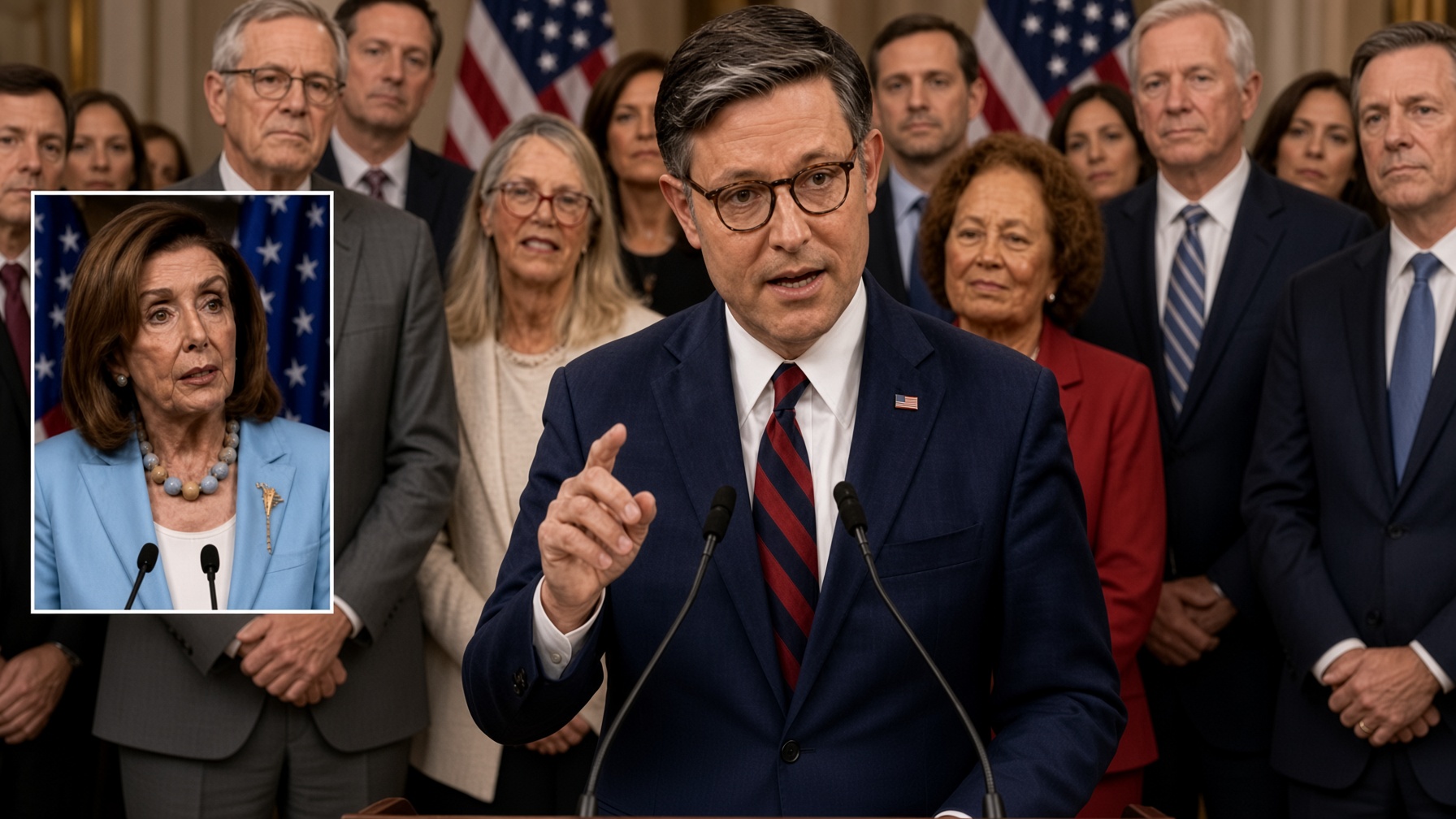
The measure, H.R. 7128, known as the Terrorism Risk Insurance Program Reauthorization Act of 2026, passed the House by a vote of 373–15, according to the legislative account provided. The legislation is designed to maintain a federal insurance framework that shares certain catastrophic terrorism-related losses between the government and private insurers.
Despite the dramatic headline suggesting President Donald Trump is furious over the vote, the information provided does not establish that Trump opposed the legislation or reacted angrily to its passage. No verified presidential statement confirming such a reaction has been identified in the supplied account.
The bill, introduced by Rep. Mike Flood, a Nebraska Republican, seeks to provide long-term certainty for businesses, insurers, lenders and property developers that rely on terrorism coverage to finance and operate commercial properties.
A Critical Safeguard for Commercial Real Estate
The legislation builds on the Terrorism Risk Insurance Act, originally enacted in 2002 following the September 11, 2001, terrorist attacks.
The program was created to address a major problem facing the insurance industry after the attacks: private insurers became increasingly reluctant to assume the potentially enormous financial risks associated with terrorism.
Without an effective insurance backstop, developers could struggle to obtain financing, lenders could become more cautious about approving commercial mortgages, and businesses could face higher costs or reduced access to coverage.
The federal program establishes a framework under which participating insurers must make terrorism coverage available for eligible commercial policies. If qualifying insured losses exceed specified thresholds, the federal government shares a portion of those losses under the program’s statutory rules.
Supporters argue that this arrangement helps stabilize insurance markets without requiring the government to pay for every terrorism-related loss.
House Financial Services Committee Chairman French Hill, an Arkansas Republican, emphasized the importance of maintaining predictable insurance protection for businesses and property owners.
Hill argued that the program gives policyholders greater confidence to invest in major developments, including skyscrapers, shopping centers and sports venues, while supporting employment and broader economic activity.
Why Congress Is Acting Before the Deadline
The existing program is scheduled to expire at the end of 2027, making reauthorization a significant issue for insurers and commercial borrowers planning projects that may take years to complete.
Flood argued that extending the program well before the expiration date would provide greater certainty to financial markets and help protect taxpayers if a future terrorism-related insurance event generated substantial claims.
He also stressed the importance of reviewing the program’s structure to ensure that its administrative procedures remain transparent and that federal protections are appropriately designed.
For commercial developers, uncertainty surrounding terrorism coverage can create significant financing challenges. Large projects often require insurance commitments before construction begins, and lenders may demand terrorism coverage as a condition of approving loans.
An extension through 2034 would give businesses and financial institutions a longer planning horizon, provided the measure completes the remaining legislative steps and becomes law.
Proposed Changes to the Federal Program
The legislation described in the supplied account includes several proposed adjustments to the existing framework.
Higher certification threshold: The bill would increase the insured-loss threshold for certifying an incident as an act of terrorism under the program from $5 million to $10 million, beginning in 2029. The proposed change is intended to adjust the threshold for inflation and distinguish smaller incidents from events that could trigger federal involvement.
Greater administrative transparency: The measure would clarify the Treasury Department’s authority to issue guidance and publish information about its administrative reviews when an event is considered for certification.
Continued federal-private loss sharing: The proposal would preserve the existing 80% federal and 20% insurer loss-sharing arrangement at the applicable stage of the program, subject to statutory requirements and other program conditions.
These provisions are intended to preserve the insurance backstop while maintaining safeguards around the federal government’s financial responsibilities.
The precise operation of the program depends on statutory triggers, insurer deductibles, eligibility requirements and other conditions. The federal government does not automatically assume responsibility for every terrorism-related insurance claim.
Business Groups Support Long-Term Certainty
The legislation has drawn support from business and financial interests concerned about the consequences of allowing the program to expire.
Commercial property owners, construction companies, hospitality businesses and financial institutions have an interest in maintaining access to terrorism insurance, particularly in major metropolitan markets.
Organizations representing business, real estate and banking interests have historically supported the federal backstop because terrorism coverage can be important to financing commercial properties and large infrastructure projects.
If the program were allowed to lapse, insurers could reconsider the availability and pricing of terrorism coverage. Any resulting disruption could increase costs for property owners and complicate financing arrangements for new developments.
However, the scale of any potential impact would depend on market conditions, insurer decisions and the availability of alternative coverage.
What Happens Next?
Although the House vote represents a major legislative step, passage by the House alone does not make the bill law.
The Senate must still consider the legislation or an appropriate companion measure, and the two chambers must resolve any differences before a final bill can be presented to the president.
For now, the overwhelming House vote demonstrates substantial bipartisan support for maintaining a federal role in the terrorism insurance market.
The central issue is economic stability rather than a confirmed political confrontation with Trump. By seeking to extend the program through 2034, lawmakers aim to give insurers, lenders, developers and businesses greater certainty as they prepare for future risks.
Whether the measure ultimately reaches the president’s desk will depend on the remaining congressional process. Until then, claims about Trump’s personal reaction should be treated cautiously unless supported by a verifiable statement or reliable reporting.