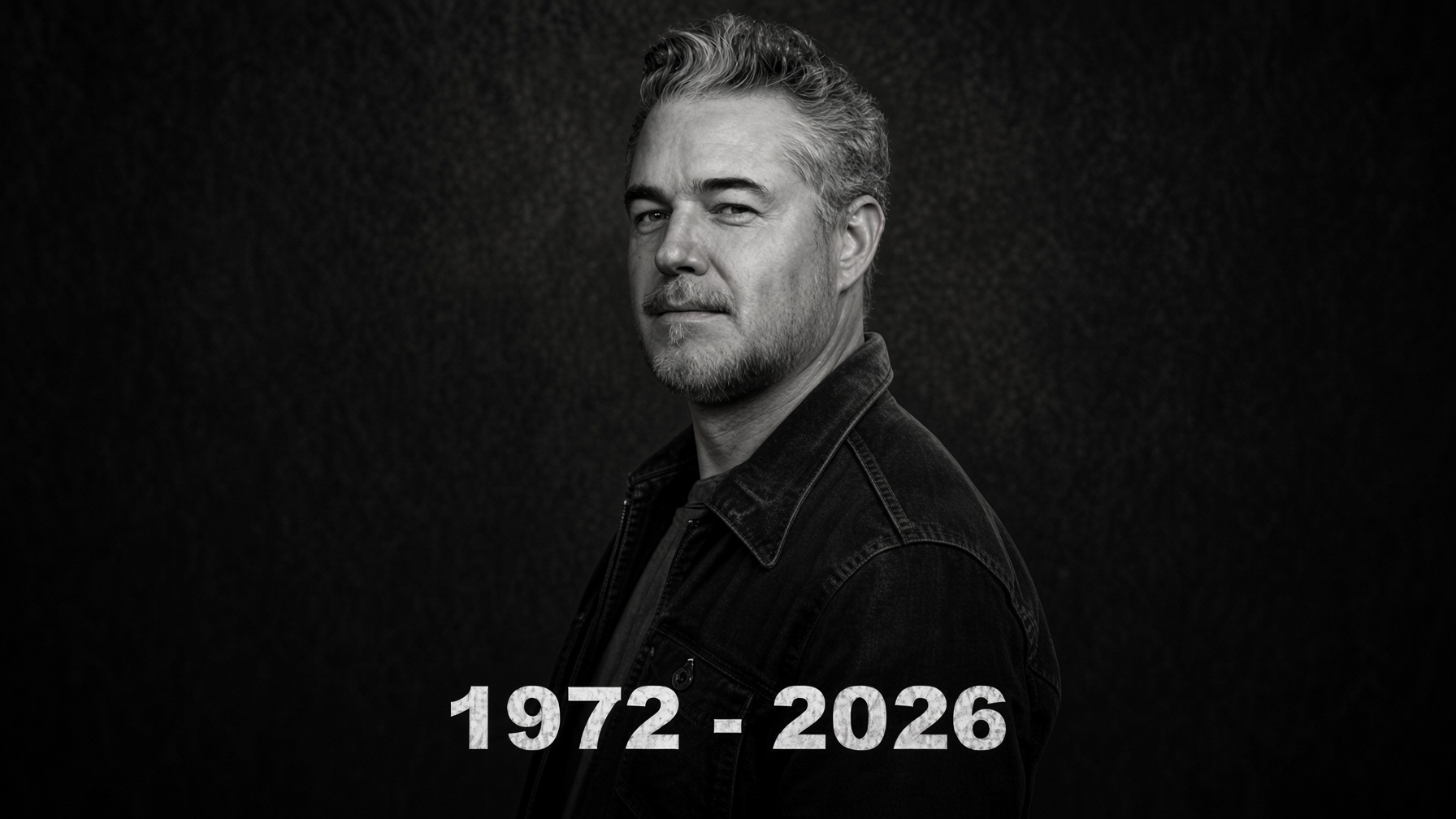
🎬 A TELEVISION LEGEND REMEMBERED: ERIC DANE’S CAREER, LEGACY AND COURAGEOUS ALS BATTLE
LOS ANGELES — Eric Dane, the acclaimed actor best known for his unforgettable performances in Grey’s Anatomy, The Last Ship and Euphoria, has become the subject of renewed attention following reports of his death at the age of 53. The news, if confirmed by reliable sources, would mark a heartbreaking moment for fans who followed his career across three decades of television and film.
Dane built a lasting reputation in Hollywood through his commanding screen presence, versatility and ability to portray characters whose confidence often concealed deeper emotional struggles. From the charismatic Dr. Mark Sloan to the troubled Cal Jacobs, his performances demonstrated a range that extended well beyond his early reputation as a television heartthrob.
🌟 The Role That Made Him a Household Name
Dane’s career reached a turning point in 2006 when he joined the cast of ABC’s medical drama Grey’s Anatomy as Dr. Mark Sloan. Known affectionately to fans as “McSteamy,” the character quickly became one of the series’ most recognizable personalities.
With his effortless charm, sharp wit and complicated romantic relationships, Mark Sloan became a fan favorite. Yet Dane brought more to the role than good looks and confidence. As the character developed, audiences saw moments of vulnerability, loyalty and personal growth that helped make Sloan a memorable part of the show’s history.
His popularity on Grey’s Anatomy introduced him to a much wider audience and established him as one of television’s most recognizable actors.
Rather than remaining associated with a single character, however, Dane continued pursuing roles that challenged him creatively and demonstrated his dramatic range.
🎭 From Medical Drama to High-Stakes Television
Following his success on Grey’s Anatomy, Dane took on the leading role of Captain Tom Chandler in the action-drama series The Last Ship. The program placed him at the center of a story involving military leadership, global catastrophe and humanity’s struggle for survival.
The role allowed Dane to explore a different kind of character: a disciplined leader forced to make difficult decisions under extraordinary pressure. His performance helped establish him as a compelling presence in action-oriented television.
He later appeared in HBO’s acclaimed drama Euphoria, portraying Cal Jacobs, a deeply troubled father whose private life and emotional conflicts had significant consequences for his family.
The role offered a striking contrast to the charming doctor who had first brought him widespread fame. Through Cal, Dane explored darker themes involving identity, secrecy, family relationships and the consequences of unresolved personal struggles.
His film credits also included X-Men: The Last Stand, Marley & Me and Bad Boys: Ride or Die, reflecting a career that moved between television dramas, action productions and major motion pictures.
💔 A Public Battle With ALS
In the later years of his life, Dane’s story took on a deeply personal dimension when he publicly revealed his diagnosis of amyotrophic lateral sclerosis, commonly known as ALS.
ALS is a progressive neurological disease that affects the nerve cells responsible for controlling voluntary muscles. As the condition advances, it can affect a person’s ability to walk, speak, swallow and breathe. Although treatments may help manage symptoms and slow progression in some cases, there is currently no cure.
Dane’s willingness to discuss his diagnosis brought greater visibility to a disease that remains unfamiliar to many people. His experience also highlighted the challenges faced by individuals and families navigating a serious, progressive illness.
For fans accustomed to seeing him portray confident and commanding characters, learning about his personal health struggles offered a different perspective on the actor behind those performances.
His public openness helped draw attention to the importance of ALS awareness, research and support for affected families.
❤️ A Legacy Beyond the Screen
Throughout his career, Dane earned a devoted following that extended across generations of television viewers. Some remembered him primarily as the magnetic Dr. Mark Sloan, while others recognized him for his leadership role in The Last Ship or his unsettling performance in Euphoria.
What connected these performances was Dane’s ability to command attention while bringing complexity to his characters. He could portray charm and humor, but he could also explore emotional conflict, vulnerability and personal darkness.
That versatility helped him remain relevant in an industry where performers frequently become closely associated with a single role.
His career also demonstrated that success in Hollywood does not necessarily require remaining within one genre. Dane moved between romantic storylines, military action, psychological drama and feature films, continually presenting audiences with different dimensions of his talent.
🕊️ Questions Remain About the Reported News
Reports concerning the death of a public figure should be treated carefully until they are supported by reliable confirmation from family representatives, official statements or established news organizations.
As of the information provided for this article, independent confirmation of Dane’s reported death has not been established here. Readers should consult credible, up-to-date sources before treating the announcement as definitive.
Regardless of the circumstances surrounding the report, Dane’s professional achievements remain an important part of his public legacy. His performances reached millions of viewers, and his portrayal of characters confronting difficult personal circumstances left a lasting impression on audiences.
For those who watched him throughout his career, his work represents more than a collection of television appearances and film credits. It reflects years of storytelling, memorable characters and performances that continued to evolve as his career progressed.
Eric Dane’s legacy, when considered through the roles that defined his career and the personal challenges he shared publicly, is a reminder of the lasting connection between performers and the audiences who welcome them into their lives.