😢 TRAGEDY THAT SHOOK AMERICA: Charlie Kirk’s Death Leaves His Wife and Family Grieving
OREM, UTAH — The fatal shooting of conservative activist Charlie Kirk on September 10, 2025, sent shock waves across the United States, transforming a campus political event into a scene of fear, confusion and heartbreak. For his wife, Erika Kirk, their two children and the thousands of supporters who followed his career, the tragedy marked a devastating and sudden loss.
Kirk, 31, was the founder and chief executive of Turning Point USA, a conservative political organization that became a prominent force in mobilizing young Americans. He was speaking at Utah Valley University in Orem, Utah, as part of his “American Comeback Tour” when a gunshot struck him in the neck.
The attack unfolded in front of a crowd gathered to hear Kirk discuss political and social issues. Within moments, the atmosphere of a public discussion gave way to panic as attendees scrambled for safety and emergency personnel rushed to the scene.
Although dramatic headlines and social media posts have described his wife’s reaction in intensely emotional terms, such descriptions should not be treated as verified eyewitness accounts without reliable supporting evidence. What is clear is that Kirk’s death left his family facing an immense personal loss while the nation grappled with the consequences of political violence.
A Campus Event Descends Into Chaos
The shooting occurred while Kirk was answering a question during an outdoor question-and-answer session. Witnesses described hearing a sudden gunshot, followed by screams and confusion as people attempted to determine what had happened.
Video footage circulated online showing the immediate aftermath, with attendees fleeing the area and others seeking cover. The event was abruptly interrupted, and emergency responders moved in as authorities began securing the campus.
The gathering had attracted a large audience, reflecting Kirk’s ability to draw crowds through his campus appearances and political outreach. However, the shooting also raised questions about the security arrangements surrounding the event and the challenges of protecting public figures who speak in open, accessible environments.
For those present, the incident was a stark reminder of how quickly a political gathering can become a life-threatening emergency.
University officials and law enforcement agencies responded to the attack, while investigators began collecting evidence and interviewing witnesses to reconstruct the sequence of events.
Investigation Focuses on the Suspect
Investigators identified Tyler Robinson, 22, as the suspect in the shooting. Authorities said the fatal shot was fired from an elevated position near the event site, prompting questions about the gunman’s movements and the security vulnerabilities surrounding the gathering.
The investigation involved examining surveillance footage, reviewing forensic evidence and establishing how the suspect allegedly reached the location from which the shot was fired.
The attack also prompted scrutiny of the event’s security arrangements. Large political gatherings often present complicated challenges for security personnel, particularly when they take place outdoors and are surrounded by buildings or other elevated structures.
The circumstances renewed debate about whether additional screening, improved surveillance and more comprehensive security planning could help prevent similar attacks.
As the legal process continued, the case became a focus of national attention, with Americans seeking answers about the circumstances of the shooting and the factors that may have contributed to the violence.
Erika Kirk and the Family Left Behind
Beyond the political headlines, the most personal consequences of the tragedy fell on Kirk’s family.
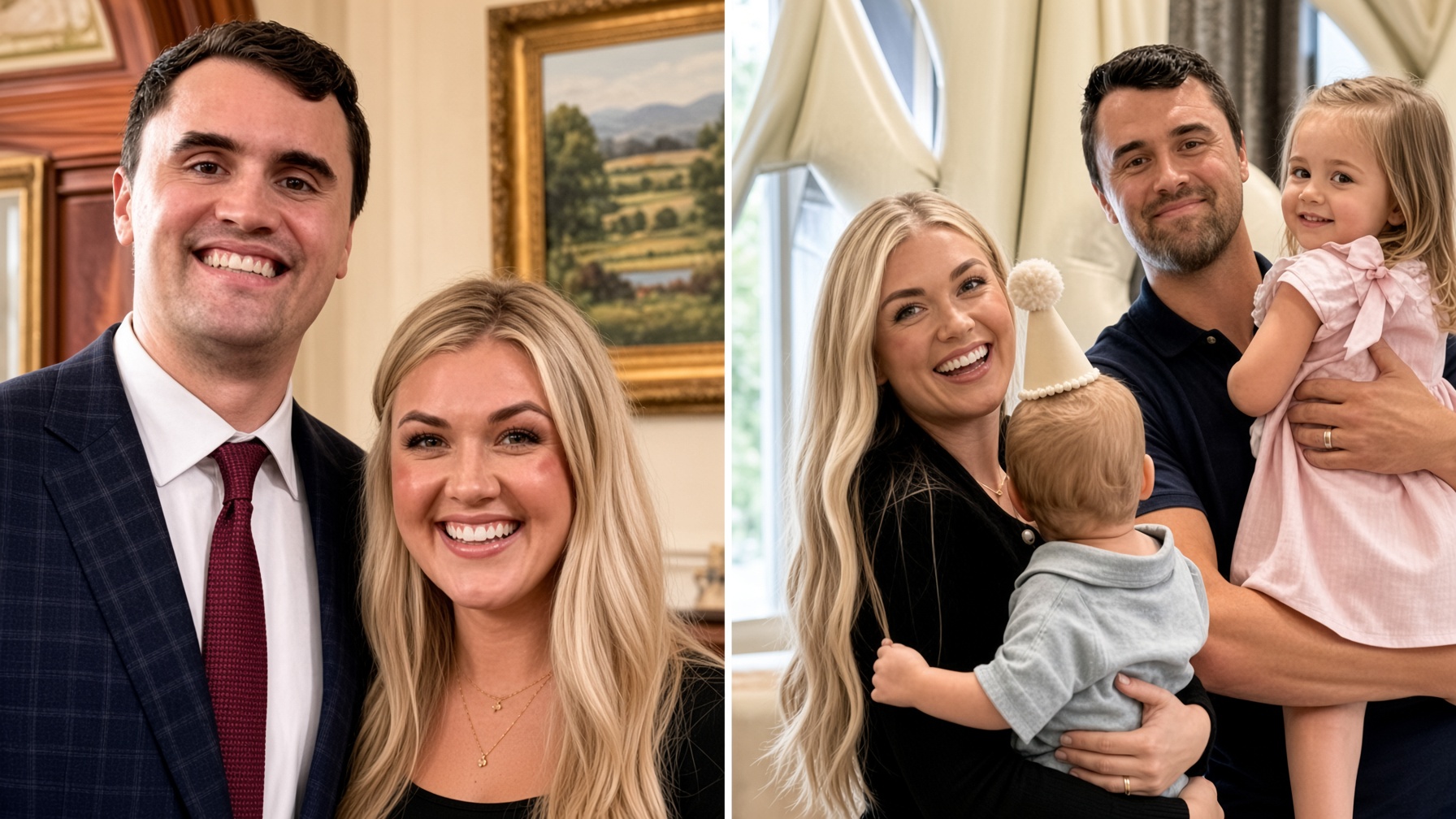
Erika Kirk and the couple’s two children were left to navigate life after a sudden and highly publicized loss. While public attention centered on the investigation and the political implications of the killing, the family’s grief unfolded under extraordinary scrutiny.
The headline describing Kirk’s wife collapsing in a scream reflects the emotional intensity surrounding the tragedy, but the specific scene should not be presented as established fact without independent verification.
Grief is deeply personal, and family members of prominent public figures often face the additional burden of mourning while their private lives become subjects of public discussion.
For Erika Kirk, the loss was not simply the death of a political figure known to millions. It was the loss of a husband and the father of her children, whose absence would affect their family long after the immediate national attention faded.
Supporters expressed condolences and shared tributes, while conversations about Kirk’s legacy increasingly included the personal sacrifices and challenges faced by families connected to high-profile political careers.
Political Leaders Condemn the Violence
Kirk’s death prompted condemnation from political leaders across the ideological spectrum and renewed concern about threats against public figures.
Utah Gov. Spencer Cox denounced the killing and emphasized the importance of holding those responsible accountable. President Donald Trump also publicly mourned Kirk, recognizing his influence within the conservative movement and among younger Americans.
Kirk had built Turning Point USA into a nationally recognized organization through campus events, political organizing, online broadcasts and social media. His close association with conservative causes and his support for Trump made him a familiar figure in American political debates.
His death therefore carried consequences beyond his immediate family and organization, becoming part of a broader discussion about political disagreement, public safety and the protection of free expression.
A Nation Confronts the Cost of Political Violence
The shooting intensified concerns about political violence in an increasingly polarized country. Public officials, activists, journalists and other prominent figures have faced growing questions about personal security and the risks associated with appearing before large audiences.
The tragedy also highlighted the distinction between vigorous political disagreement and violence. Democratic societies depend on the ability of people with opposing views to debate, organize and express their beliefs without fear of physical harm.
For Kirk’s supporters, his death represented the loss of a prominent conservative organizer who had built a national platform and influenced a generation of young activists.
For his family, however, the consequences were far more intimate and enduring.
As the investigation and legal proceedings continued, the tragedy remained a painful reminder that behind every major political headline are people whose lives are permanently changed.
Charlie Kirk’s killing left a lasting mark on the American political landscape. Yet beyond the arguments over ideology, security and public life, the central human reality remains the same: a husband and father was killed, a family was left grieving, and a nation was forced once again to confront the devastating consequences of political violence.