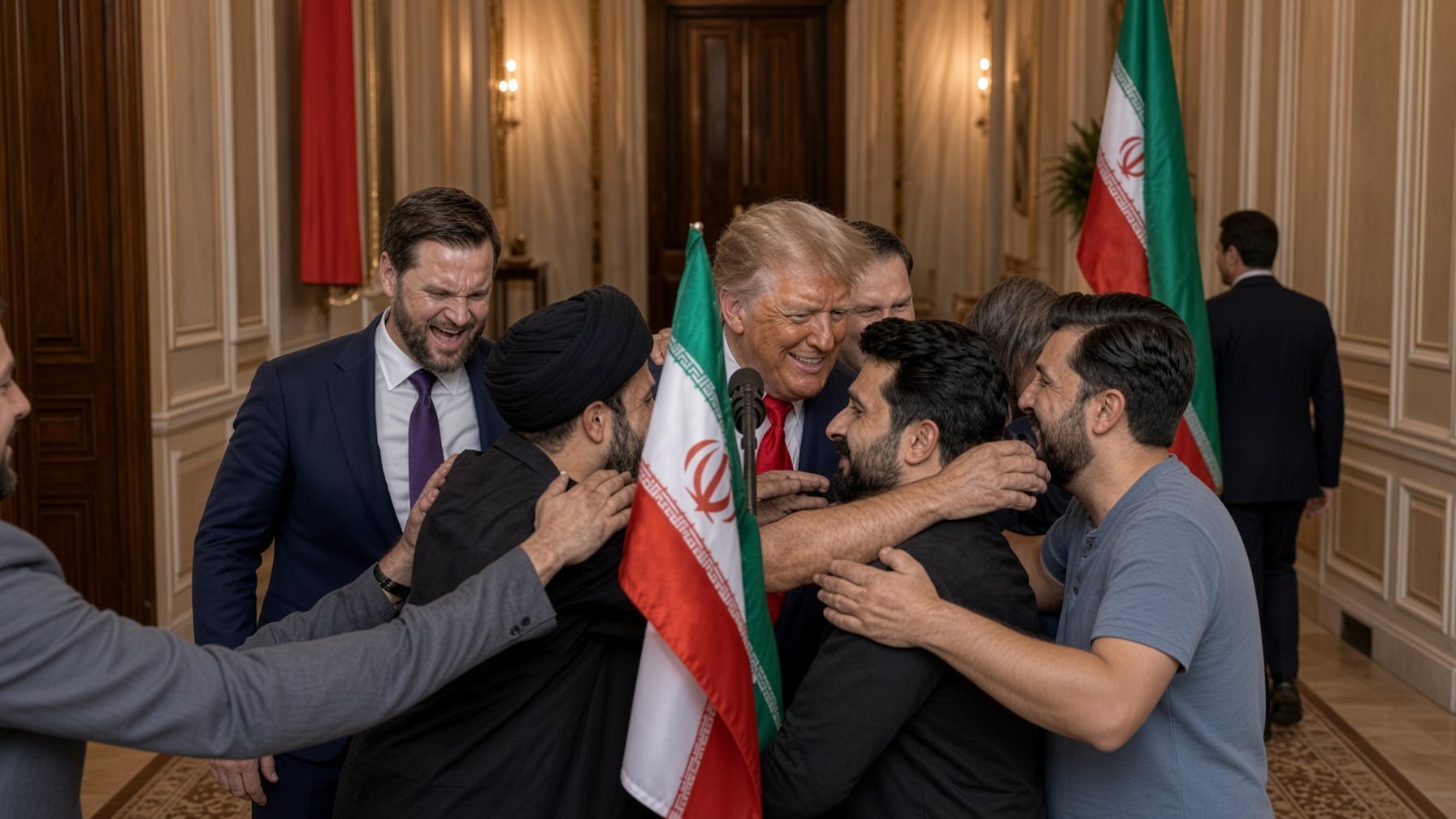
WASHINGTON — Senior officials across the Trump administration are engaged in high-stakes, multi-channel negotiations aimed at brokering a comprehensive settlement to end the direct military conflict with Iran, walking a razor-thin tightrope between delicate diplomatic backchannels in Doha and an aggressive, forward-deployed naval blockade across the Persian Gulf.
President Donald Trump, Vice President JD Vance, and Secretary of State Marco Rubio have spent recent days shaping the core framework of an overarching bilateral accord. The targeted agreement seeks to systematically dismantle Tehran’s near-weapons-grade nuclear thresholds while permanently restoring unhindered commercial transit through the economically vital Strait of Hormuz.
Yet even as Qatari intermediaries relay revised negotiating texts between the delegations, the operational environment on the water remains fraught. Sporadic, sharp kinetic exchanges between carrier-based strike squadrons and Iranian coastal defense batteries continue to threaten the viability of the entire diplomatic track.
An Unyielding Line on Vital Chokepoints
Speaking to traveling reporters during an official diplomatic mission to India, Rubio issued an unyielding assessment regarding the international waterway, warning that Washington is prepared to take whatever unilateral measures are necessary to ensure the immediate resumption of commercial shipping.
“The straits have to be open, they’re going to be open,” Rubio said. “What’s happening there is unlawful, it’s illegal, it’s unsustainable for the world, it’s unacceptable.”
Turning to the indirect negotiations currently coordinated by Qatari mediators, the secretary confirmed that discussions remain active, but he tamped down expectations of a rapid resolution, indicating that the final legal language remains intensely contested.
“There were some talks going on in Qatar today, so we’ll see if we can make progress,” Rubio said. “I think it’s a lot of talking back and forth going on about specific language in the initial document, so it’ll take a few days. The president expressed his desire to make it. He’s either going to make a good deal or no deal.”
Combative Postures on the Water
While diplomats parse text in Doha, the operational reality on the open seas remains on a wartime footing.
According to senior defense officials, nearly two dozen American warships—spearheaded by two nuclear-powered aircraft carrier strike groups, their accompanying guided-missile cruisers, and Arleigh Burke-class destroyers—continue to enforce an uncompromising maritime interdiction cordon alongside land-based combat aviation. The defensive screen has functionally halted inbound and outbound commercial container and tanker traffic tied to Iranian ports across the Gulf of Oman and the Arabian Sea.
That tactical friction escalated directly into live-fire combat on Monday. Iranian coastal surface-to-air missile batteries targeted American strike fighters and maritime reconnaissance platforms conducting surveillance along the perimeter of the exclusion zone. U.S. forces responded immediately with precision kinetic strikes, deploying standoff munitions to destroy the radar installations and launch vehicles responsible for the engagement.
The strike marks the most dangerous breach yet of a fragile, six-week cessation of wide-scale hostilities. Although both Washington and Tehran previously accepted an informal pause in heavy strategic airstrikes to provide a window for diplomatic engagement, repeated operational skirmishes in international airspace and coastal corridors have placed command centers across the region on hair-trigger alert.
Tehran Demands Guarantees Amid Tentative Progress
In Tehran, Iranian officials offered a reserved assessment of the talks, confirming that broad conceptual consensus has emerged while cautioning against assumptions that a final signing ceremony is imminent.
Addressing international correspondents during a scheduled press briefing, Iranian Foreign Ministry spokesman Esmaeil Baqaei acknowledged that technical negotiators had resolved significant hurdles, but he accused Washington of altering foundational parameters at the eleventh hour.
“It is correct to say that we have reached a conclusion on a large portion of the issues under discussion,” Baqaei said. “But to say that this means the signing of an agreement is imminent—no one can make such a claim.”
According to diplomatic sources, Iranian negotiators are demanding immediate, front-loaded relief from crippling secondary energy sanctions alongside ironclad economic guarantees before consenting to any physical rollbacks of their domestic enrichment sites. Tehran has registered fierce resistance to proposed Western oversight protocols and continues to insist on the immediate release of tens of billions of dollars in sovereign foreign exchange reserves currently frozen in international clearinghouses.
The Emerging Architecture of an Accord
Regional sources familiar with the parameters of the proposed accord indicate that the settlement rests on three interdependent pillars:
Maritime Demining and Sea-Lane Security: Tehran must stand down its naval fast-attack squadrons, systematically clear defensive minefields laid near commercial channels, and issue binding security guarantees for civilian international merchant shipping navigating the Strait of Hormuz. In return, the U.S. Navy would lift its maritime interdiction cordon across the Gulf of Oman, allowing legitimate commercial shipping to re-enter Iranian terminals.
Nuclear Capping and Inspection Protocols: Tehran would be required to dilute or surrender its stockpiles of highly enriched uranium, cap industrial enrichment levels at standard commercial power generation grades, and restore comprehensive, unannounced inspection rights to International Atomic Energy Agency monitors across both declared and suspected facilities.
Phased Sanctions Relief and Asset Unfreezing: In exchange for verified and certified technical compliance, Washington would lift broad secondary bans on international petrochemical sales, re-establish Iranian access to select foreign currency reserves held overseas, and normalize basic commercial credit channels for non-sanctioned goods.
Administration aides familiar with deliberations inside the West Wing report that President Trump remains broadly receptive to the blueprint. One senior administration source noted that Tehran’s leadership appears markedly more pliable and open to structural compromises than it was prior to the coalition’s heavy air and maritime containment operations.
Nevertheless, seasoned regional analysts emphasize that the diplomatic track remains vulnerable to tactical miscalculation. With American carrier strike groups operating well within range of mobile coastal cruise missile batteries and technical drafters haggling over specific clauses in Doha, the coming days will determine whether the administration achieves a landmark geopolitical settlement or plunges the Persian Gulf back into unconstrained conflict.