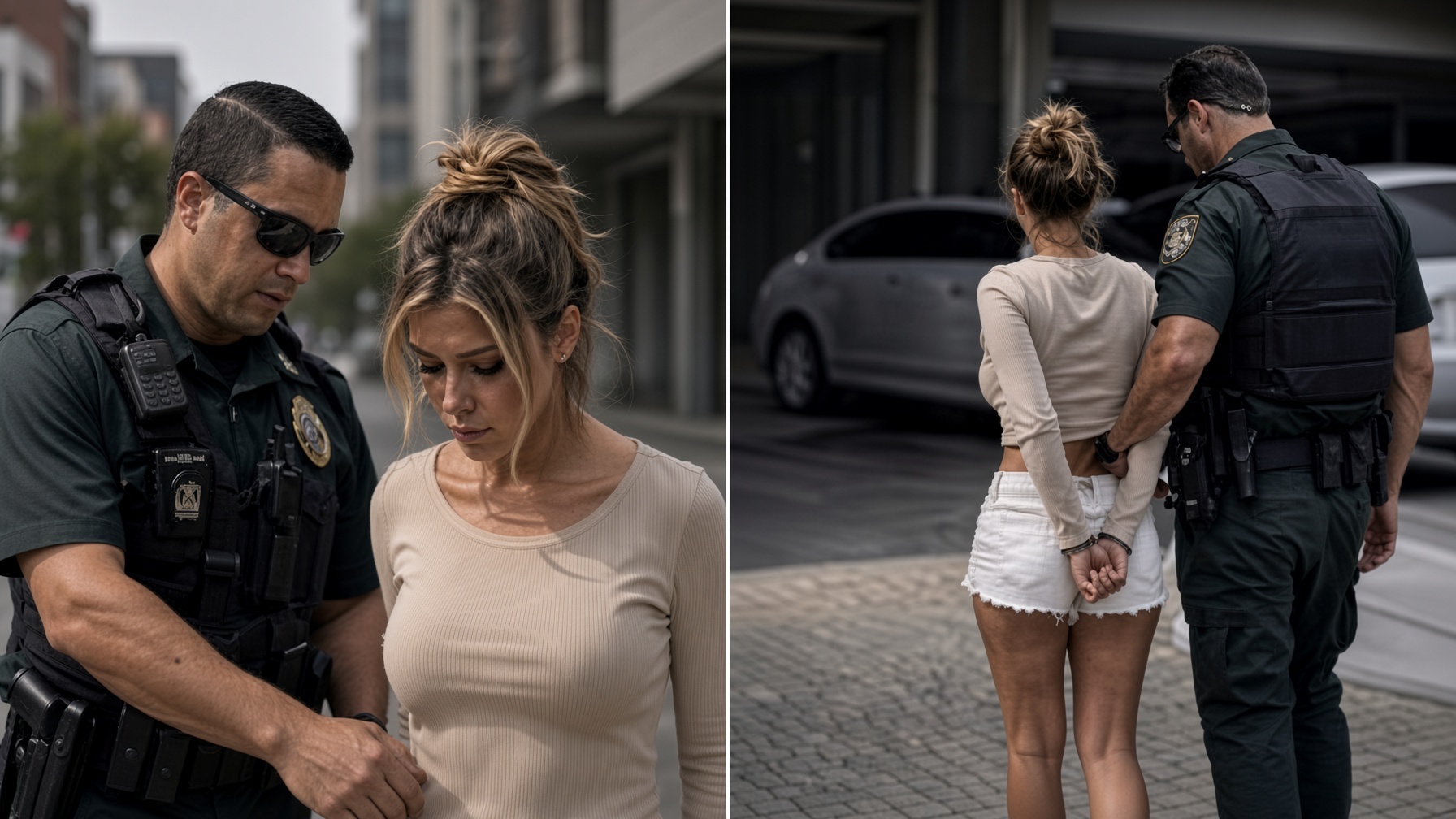
🚨 Viral Neighborhood Video Sparks Privacy Debate as Residents Urge Caution
SUBURBAN METRO — A residential neighborhood known for its quiet streets and familiar routines has become the focus of an online controversy after a video allegedly showing a woman during a vulnerable personal moment spread rapidly across social media, raising concerns about privacy, public humiliation, and the growing consequences of recording strangers without their consent.
The incident reportedly occurred on a weekday afternoon along a residential street where serious disturbances are uncommon. According to accounts circulating online, a local woman was involved in an encounter near the curb when an onlooker recorded the scene using a mobile phone. The footage was subsequently shared on digital platforms, where it attracted widespread attention.
Within hours, the clip reportedly reached a substantial online audience, triggering thousands of comments and competing interpretations of what had happened. However, the circumstances surrounding the incident remain unclear, and the footage alone does not establish the full context of the woman’s behavior or the events that preceded the recording.
As the video circulated, the incident evolved from a neighborhood occurrence into a broader discussion about the responsibilities of social media users when documenting other people’s personal struggles.
📱 A Viral Video, but Important Questions Remain
The rapid spread of the footage illustrates a growing problem in the digital era: short video clips can reach millions of viewers before reliable information about an incident becomes available.
Without a verified account of the events leading up to the recording, viewers may draw conclusions based on incomplete evidence. A few seconds of footage can easily become the foundation for accusations, speculation, or assumptions about someone’s health, character, or personal circumstances.
In this case, online reactions reportedly varied considerably, with some commenters criticizing the woman’s apparent behavior while others questioned whether she might have been experiencing a medical or emotional crisis.
Neither interpretation should be treated as established fact without supporting evidence.
A video captures only what appears within its frame. It may not reveal what happened immediately beforehand, whether assistance was offered, or whether the person involved was experiencing circumstances invisible to the camera.
That uncertainty has become a central concern for observers who argue that viral content should not automatically be treated as reliable evidence of wrongdoing.
⚖️ The Fine Line Between Recording and Exploitation
The controversy has also renewed questions about the ethics of filming people in vulnerable situations and distributing those recordings to a potentially global audience.
Smartphones have made it easier than ever to document events in public spaces. While recording can serve legitimate purposes, including documenting emergencies or preserving evidence of misconduct, publishing footage of a distressed individual can create consequences far beyond the original incident.
A person who appears in a viral video may face ridicule, unwanted attention, workplace difficulties, or harassment from strangers who know nothing about their life.
Even when a recording is eventually explained or corrected, copies may remain online long after public interest has faded.
Privacy advocates have repeatedly emphasized the distinction between having the ability to record an event and having a compelling ethical reason to distribute it widely.
The question is particularly important when the person being filmed may be experiencing a medical emergency, emotional distress, or another circumstance that compromises their ability to respond to the camera.
Rather than immediately recording and uploading such an encounter, bystanders may be better served by assessing whether the individual needs assistance.
🏛️ What Does the Law Say?
The legal questions surrounding public recordings are more complicated than they may initially appear.
In many parts of the United States, recording events visible from a public street or sidewalk is generally permitted, subject to applicable laws and circumstances. However, the legality of recording does not automatically settle questions involving harassment, defamation, commercial exploitation, or other potentially unlawful conduct.
Rules also differ by jurisdiction, particularly when recordings involve private property, audio conversations, or circumstances covered by specific privacy protections.
Whether publishing a particular video creates legal liability depends on the facts, the applicable law, and how the material was obtained and distributed.
No verified information provided about this incident establishes that a crime occurred, that the woman violated any law, or that the person who recorded the footage acted unlawfully.
Likewise, the existence of a viral clip should not be interpreted as confirmation that authorities have opened an investigation.
🏘️ A Reminder About Responsibility in the Digital Age
For residents of the affected neighborhood, the incident highlights how quickly an ordinary street can become the center of unwanted public attention.
When footage spreads beyond its original audience, people who live nearby may find themselves facing intrusive questions or unwanted visits, even when they had no involvement in the event.
The consequences can extend well beyond the individual shown in the recording.
Ultimately, the episode underscores a broader challenge confronting online communities: balancing the public’s ability to document events with the responsibility to treat other people fairly.
Before sharing a sensational video, viewers should consider whether the circumstances have been independently verified, whether the person involved may need help, and whether distributing the footage serves a legitimate public interest.
The central lesson is simple: a viral video is not the same as a verified story. Behind every recording is a real person whose circumstances may be far more complicated than a few seconds of footage can reveal.
Until reliable information becomes available, caution, compassion, and respect for personal dignity remain more responsible responses than speculation or public humiliation.