🌍 BREAKING: Trump Administration Pushes for Iran Peace Deal as U.S. Strikes Continue Amid Fragile Cease-Fire
WASHINGTON — President Donald Trump and senior administration officials are intensifying diplomatic efforts to secure an agreement with Iran aimed at ending the conflict, reopening the strategically vital Strait of Hormuz and imposing new restrictions on Tehran’s nuclear program. However, continued U.S. military strikes and unresolved disagreements between the two sides are raising questions about whether a lasting settlement can be achieved.
Secretary of State Marco Rubio said negotiations remain underway and could require several more days as officials work through the language of a preliminary agreement. Speaking during a visit to India, Rubio emphasized that reopening the Strait of Hormuz remains a central priority for Washington.
“The straits have to be open, they’re going to be open,” Rubio told reporters, describing the continued disruption of the international shipping route as unacceptable.
Rubio also confirmed that diplomatic discussions were taking place in Qatar, where American and Iranian representatives were reportedly addressing the specific provisions of a potential agreement.
“The president expressed his desire to make it. He’s either going to make a good deal or no deal,” Rubio said, underscoring the administration’s position that any settlement must meet its security objectives.
🇺🇸 U.S. Military Conducts Additional Strikes
Despite the ongoing diplomatic efforts, U.S. Central Command reported that American forces conducted what it described as self-defense strikes against targets in southern Iran.
Capt. Tim Hawkins, a Central Command spokesperson, said the operations targeted missile launch sites and Iranian boats allegedly connected to attempts to place mines in regional waterways.
“U.S. Central Command continues to defend our forces while using restraint during the ongoing cease-fire,” Hawkins said.
Military officials did not disclose the identities of the American vessels involved in the reported threats or provide precise details about every strike. A senior U.S. military official said American forces had also faced threats involving Iranian surface-to-air missiles.
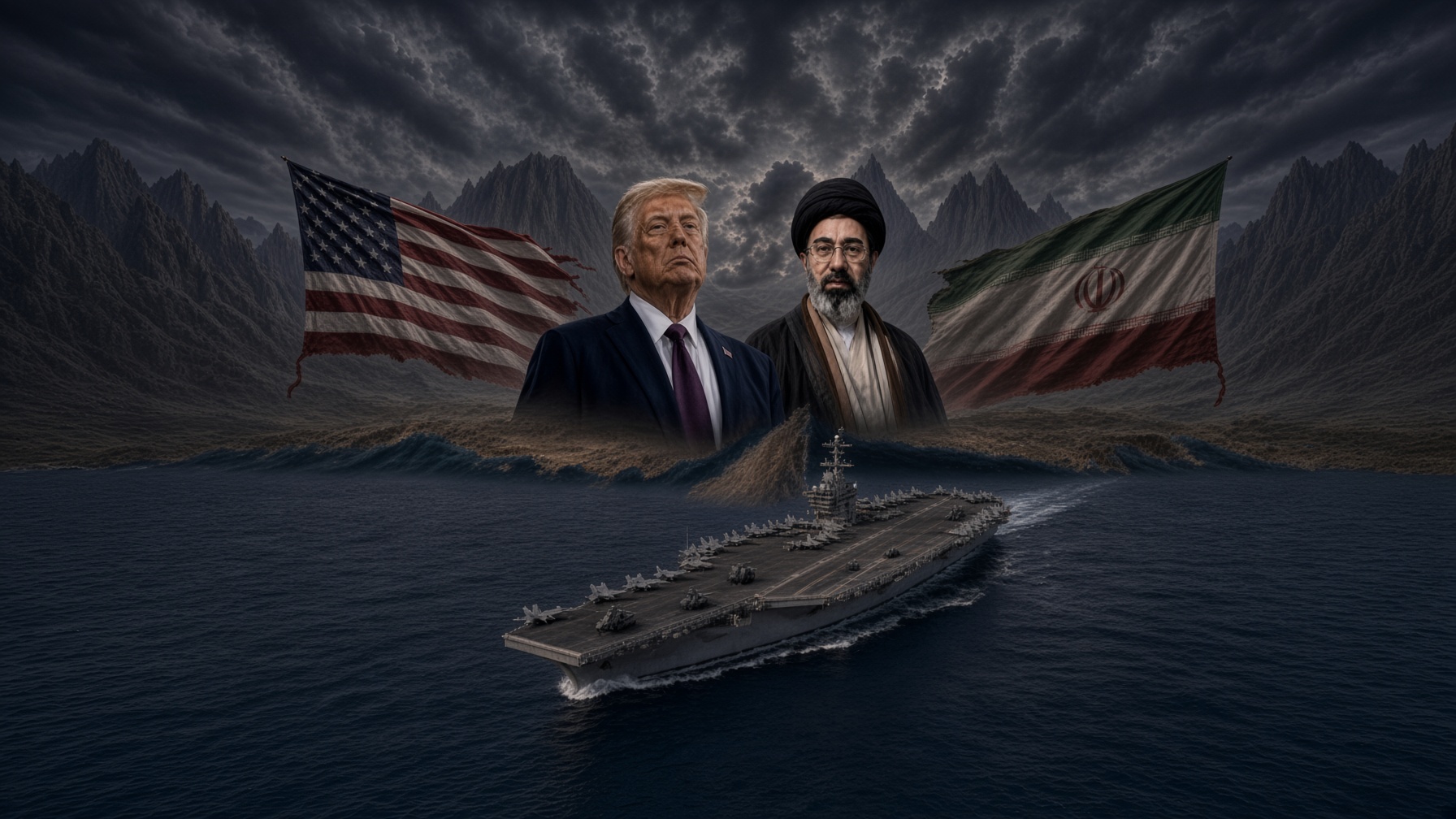
The U.S. military presence in the region reportedly includes dozens of aircraft and nearly two dozen Navy warships, including two aircraft carriers and their accompanying vessels. Some strikes reportedly occurred near Bandar Abbas, a major Iranian port and naval installation.
The continued military activity has raised concerns about the durability of the cease-fire, which the account describes as having taken effect approximately six weeks earlier. Although large-scale hostilities have reportedly declined, the latest developments suggest that significant security risks remain.
🤝 Iran Acknowledges Progress but Warns Against Expectations
Iranian officials have indicated that negotiations have produced progress, although they have stopped short of suggesting that a final agreement is imminent.
Esmaeil Baqaei, a spokesperson for Iran’s Foreign Ministry, said the two sides had reached understandings on many of the issues under discussion.
“It is correct to say that we have reached a conclusion on a large portion of the issues under discussion,” Baqaei said during a weekly briefing.
Nevertheless, he cautioned that substantial work remained and accused Washington of shifting its negotiating positions.
The differing assessments highlight the challenges facing negotiators as they attempt to resolve disagreements involving nuclear restrictions, sanctions relief, regional security and control of the Strait of Hormuz.
☢️ Nuclear Restrictions at the Center of Proposed Deal
A senior Trump administration official said Iranian negotiators had agreed to a proposal requiring Tehran to eliminate its stockpile of highly enriched uranium. The reported understanding remains subject to further negotiations, and important details have yet to be finalized.
Under the proposed framework, Iran would also be required to reopen the Strait of Hormuz. In return, Washington could lift its blockade and consider easing sanctions against Tehran.
Negotiators are reportedly discussing enforcement mechanisms designed to ensure compliance with nuclear restrictions. One central question concerns how long Iran would be required to suspend or limit uranium enrichment, with periods of 20 or 30 years reportedly under consideration.
The administration wants an arrangement that goes beyond the 2015 nuclear agreement negotiated under former President Barack Obama, which Trump has repeatedly criticized as insufficiently restrictive.
⚠️ Trump Insists Any Agreement Must Meet U.S. Demands
Trump has said that any eventual agreement must be “good and proper,” signaling that his administration is unwilling to accept a settlement that fails to address its principal concerns.
For Washington, reopening the Strait of Hormuz is essential to restoring confidence in international shipping and reducing the threat of further economic disruption. Nuclear safeguards and enforceable commitments remain equally important components of the proposed arrangement.
For now, however, the negotiations remain unresolved. Continued military operations, disagreements over enforcement and uncertainty surrounding the cease-fire could complicate efforts to reach a final settlement.
Whether diplomacy can deliver a lasting agreement will depend on the willingness of both governments to resolve their remaining differences and establish terms that can be monitored and enforced.
Note: The specific claims, military developments and negotiating details in this report should be independently verified against official statements and reliable news organizations before publication.