🚨 BREAKING: Trump’s Federal Law Enforcement Push in Washington Sparks Major Debate Over Public Safety and Civil Liberties
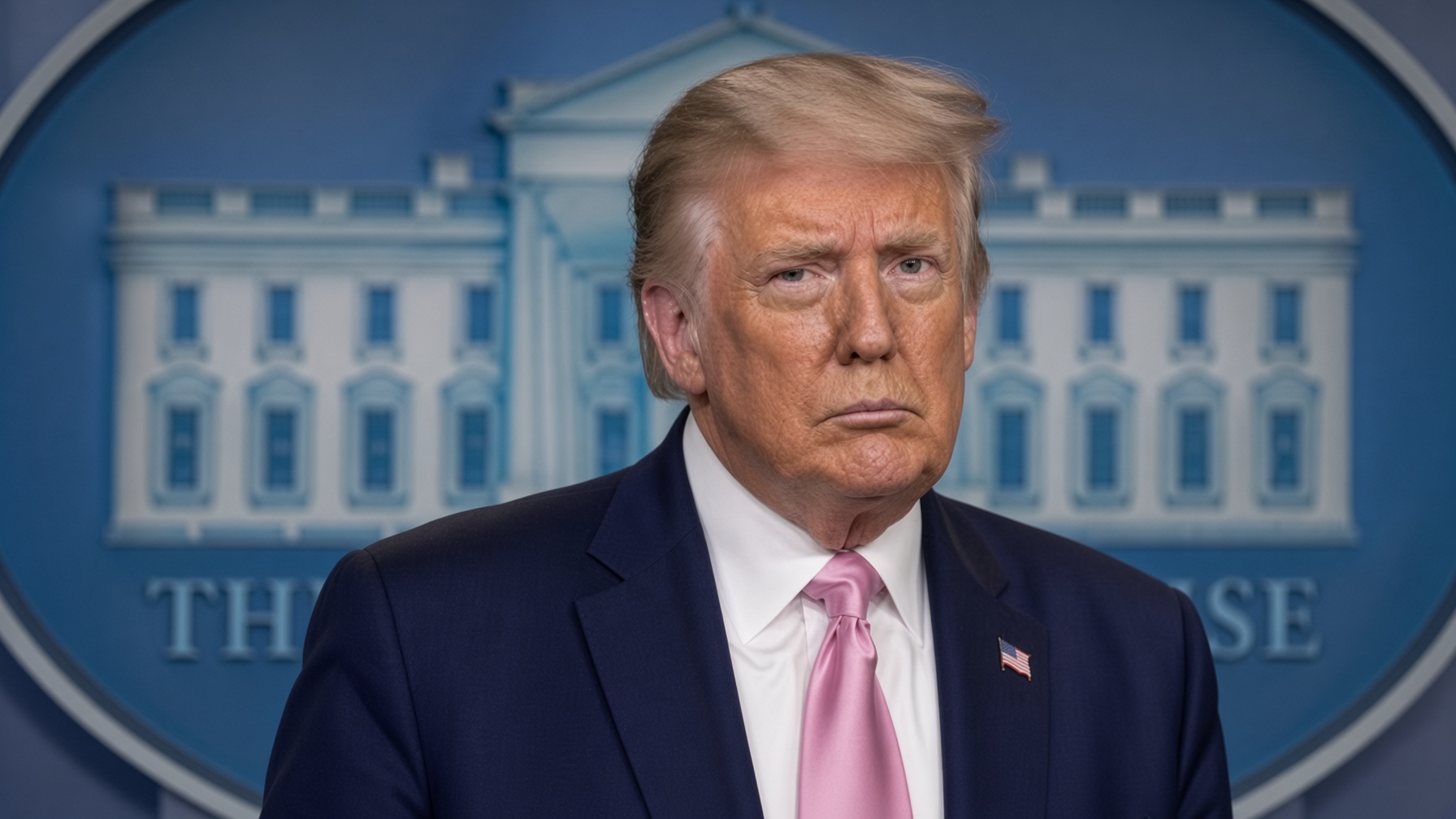
WASHINGTON, D.C. — President Donald Trump’s expanded federal law enforcement presence in the nation’s capital has reignited a heated debate over public safety, constitutional authority, and the future of local governance, as supporters praise the administration’s approach while critics warn of potential consequences for civil liberties and community trust.
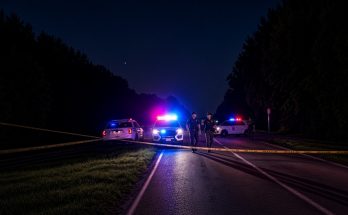
The initiative, presented by the Trump administration as a response to public safety concerns, has increased attention on the role of federal agencies in Washington, D.C. Officials have emphasized the importance of reducing violent crime, strengthening enforcement, and improving coordination among agencies responsible for protecting residents, government institutions, and visitors.
For supporters, the operation represents a forceful response to concerns about crime and public order. They argue that a more visible law enforcement presence can discourage criminal activity, improve perceptions of safety, and demonstrate a commitment to protecting neighborhoods that have expressed concerns about public security.
Some residents have also reported feeling more secure with additional officers on patrol. Supporters say that visible enforcement can provide reassurance, particularly in areas where residents have previously raised concerns about crime and the effectiveness of existing public safety measures.
However, the initiative has also prompted questions about how far federal authority should extend into a city with its own elected leadership, police department, and local government.
⚖️ Civil Rights Concerns Grow Over Federal Involvement
Civil rights advocates and community organizations have raised concerns about the potential consequences of expanded federal enforcement. They argue that increased federal involvement must be accompanied by clear oversight, transparent procedures, and safeguards against unlawful searches, discriminatory enforcement, or other violations of individual rights.
Immigrant communities and other vulnerable residents may also experience heightened uncertainty when multiple law enforcement agencies operate in the same area. Advocates have called for clearer communication about which agencies are conducting specific operations, what authority they exercise, and how residents can report misconduct or seek assistance.
Critics caution that a visible police presence alone does not establish whether a policy is reducing crime over the long term. They argue that meaningful assessments should examine reliable crime statistics, arrest outcomes, public complaints, and the experiences of residents directly affected by enforcement activities.
Supporters, meanwhile, maintain that immediate public safety concerns require decisive action and that federal resources can supplement local efforts when properly coordinated.
🏛️ Washington’s Unique Governance Structure Adds Complexity
The dispute also highlights Washington, D.C.’s unusual constitutional position. Although the District has an elected mayor and city council, Congress retains significant authority over its governance under the Constitution.
That arrangement has repeatedly fueled disagreements over the balance between federal oversight and local self-government. The latest developments have renewed questions about the limits of presidential authority, the responsibilities of local officials, and the mechanisms available to ensure accountability when federal agencies operate within the capital.
Legal experts and political observers note that these questions extend beyond any single administration. They reflect a longstanding debate over how national security and public safety priorities should coexist with democratic accountability and the rights of local residents.
🔎 What Happens Next?
As the federal initiative continues, its effects will likely remain under scrutiny from residents, elected officials, civil rights organizations, and law enforcement leaders.
The central question is whether the expanded federal presence can deliver measurable and lasting improvements in public safety while maintaining public confidence and respecting constitutional protections.
For the Trump administration, the effort represents a commitment to stronger enforcement. For its critics, it presents a test of federal power and the safeguards needed to prevent public safety measures from undermining civil liberties.
Ultimately, the debate in Washington is about more than policing. It concerns who should control public safety decisions, how government authority should be exercised, and what standards should determine whether an intervention has truly made a community safer.
As the discussion intensifies, reliable evidence of the operation’s results—and clear information about its legal authority—will be essential to evaluating its success.