NEW DELHI — U.S. Secretary of State Marco Rubio, speaking during a high-stakes diplomatic mission to India, issued an uncompromising ultimatum regarding the commercial navigation crisis in the Persian Gulf, declaring that the immediate and unhindered reopening of the Strait of Hormuz is a non-negotiable strategic baseline for the United States.
Rubio characterized Tehran’s naval posture and disruption of the global energy artery as “unlawful, illegal, unsustainable for the world, and unacceptable.” His remarks coincided with his formal confirmation that direct and mediated negotiations between American and Iranian envoys are actively proceeding in Doha, Qatar, where working groups are drafting terms for a preliminary settlement. Rubio cautioned, however, that securing a finalized text will require intensive line-by-line drafting, reiterating President Donald Trump’s foreign policy doctrine that the White House is committed solely to “a good deal or no deal.”
Yet even as negotiators in Qatar recessed to review working drafts, the diplomatic track was accompanied by kinetic action across the littoral. Simultaneous with the talks, U.S. Central Command (CENTCOM) confirmed that American air and naval assets executed targeted strikes against military infrastructure inside southern Iran.
Kinetic Deterrence Around Bandar Abbas
Military officials described the operation as a series of precision self-defense strikes engineered to preempt imminent threats against maritime shipping and coalition assets operating across the Persian Gulf, the Gulf of Oman, and the northern Arabian Sea.
Capt. Tim Hawkins, a CENTCOM spokesperson, stated that the strikes targeted advanced coastal missile batteries and specialized logistical facilities actively preparing mine-laying operations in the vicinity of strategic transit lanes. The Pentagon categorized the bombardment as a necessary defensive action designed to insulate allied naval formations while operating within the confines of an uneasy regional operational pause.
Senior defense officials disclosed that American reconnaissance aircraft and surface combatants operating on the perimeter of the U.S. naval interdiction cordon had been placed under active, hostile fire-control radar locks by Iranian surface-to-air missile systems. The retaliatory U.S. strikes struck near Bandar Abbas—a primary operations hub for the Islamic Revolutionary Guard Corps Navy (IRGCN)—neutralizing radar tracking sites and mobile launcher formations in an overt demonstration of operational readiness.
Dual-Track Strategy Persists in Doha
Despite the flare-up along the Iranian coast, representatives from both capitals moved to protect the diplomatic dialogue underway in Qatar.
In Tehran, Iranian Foreign Ministry spokesman Esmaeil Baqaei confirmed that envoys have developed shared understandings on several longstanding technical disputes, though he pushed back against claims that a final accord is imminent. Baqaei also accused American negotiators of destabilizing the drafting process by introducing new stipulations and shifting parameters during the closing stages of framework discussions.
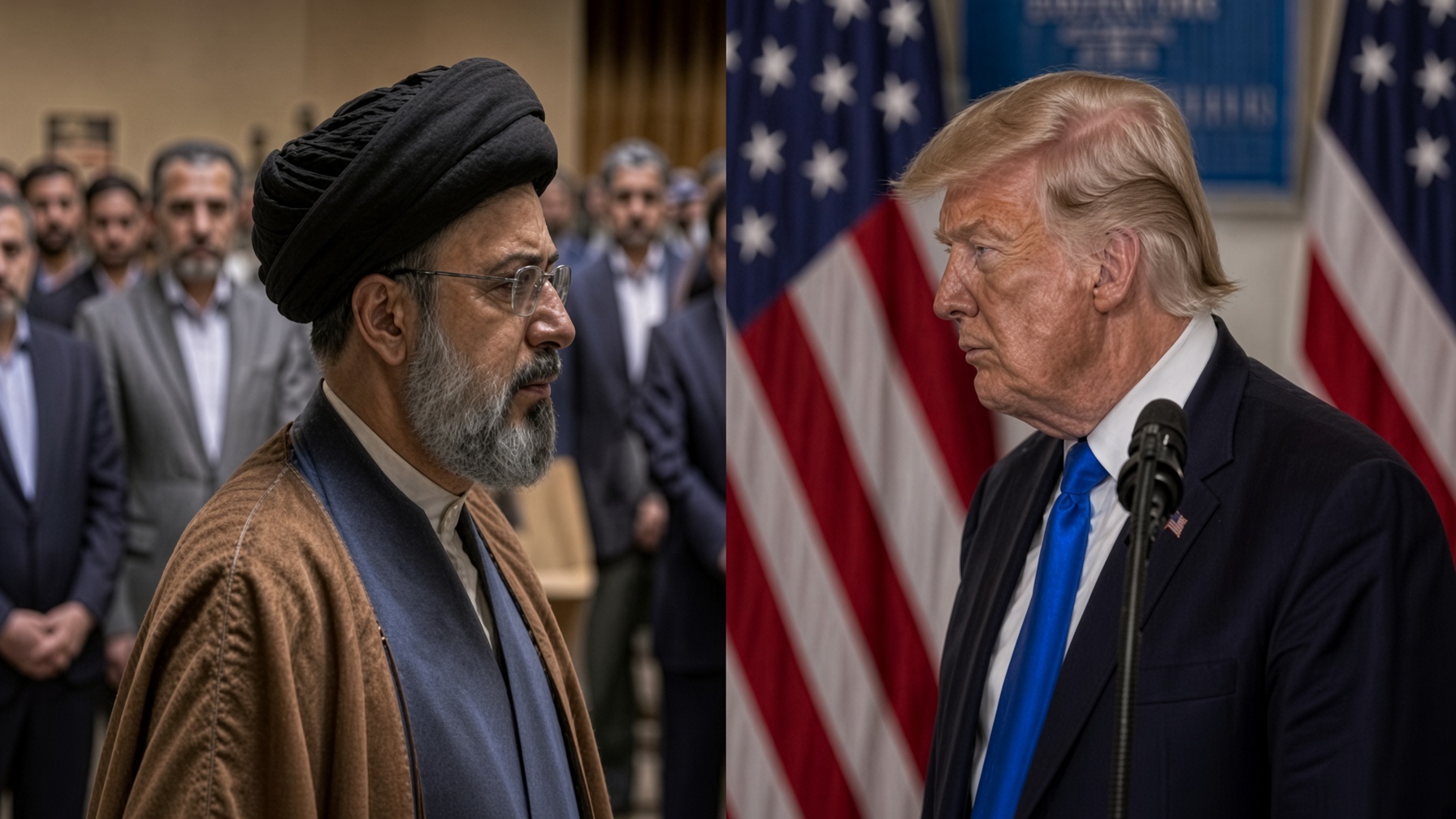
In Washington, President Trump reinforced the administration’s bargaining position, asserting that any final compact signed under his direction would be “good and proper.” The president drew explicit contrasts with the 2015 Joint Comprehensive Plan of Action (JCPOA) established under the Obama administration, which Trump withdrew from during his first term.
Trump has consistently argued that the original 2015 agreement delivered substantial economic relief to Tehran while failing to establish permanent, verifiable guarantees preventing Iran from eventually assembling a nuclear weapon.
Architectural Blueprint of the Proposed Compact
According to senior administration officials familiar with the discussions in Doha, the emerging draft framework centers on an interlocking, phased architecture:
Complete Stockpile Neutralization: Iran would be required to dilute or export its entire inventory of highly enriched uranium, functionally reducing its domestic fissile stockpile to zero, while accepting multi-decade caps on future enrichment levels far below weapons-grade thresholds.
Maritime Guarantees and Mine Clearance: Tehran would permanently dismantle its minefields across the Strait of Hormuz, curtail IRGCN swarming tactics, and guarantee uninhibited international transit. In reciprocal fashion, the U.S. Navy would lift its aggressive naval interdiction blockade across southern Iranian ports.
Phased Economic Sanctions Relief: Following verified, third-party certification of Iranian compliance, Washington would implement a structured, sequential suspension of secondary energy and financial sanctions, allowing regulated access to global crude markets and unfreezing specific foreign currency reserves.
Senior officials emphasized that while the macro-level political contours have been accepted in principle, current negotiations remain focused on strict technical definitions, verification mandates overseen by international inspectors, and permanent enforcement triggers.
The Trump administration maintains that its calibrated use of military force—demonstrated by the pre-dawn strikes against Bandar Abbas—has provided the leverage required to compel Tehran to accept terms far more restrictive than those established a decade ago. Whether that pressure yields a durable, verifiable treaty or precipitates a breakdown back into theater-wide naval combat will depend on the final text emerging from the negotiating tables in Qatar.