🚨 Judge Rejects Bid to Remove Holdout Juror in Lindsay Clancy Case as Jury Deliberations Intensify
DEDHAM, Mass. — Tensions surrounding the high-profile Lindsay Clancy trial intensified Friday after Judge William Sullivan conducted an additional inquiry into a juror whose position has become the focus of a dispute between the defense and prosecution. The judge declined to remove the juror, rejecting a request from defense attorney Kevin Reddington as deliberations continued amid reports of a possible 11-1 division.
The latest courtroom development follows a series of jury notes indicating that deliberations had reached an impasse. The jury has reportedly declared itself deadlocked twice, raising concerns about whether the panel can reach a unanimous verdict in the closely watched case.
However, an important distinction remains: the court has not officially confirmed the jury’s actual voting breakdown. Although Reddington has suggested that 11 jurors favor Clancy, the precise positions of individual jurors have not been publicly established.
⚖️ Judge Questions Jurors After Another Note
Thursday marked the sixth day of jury deliberations. After approximately 35 hours of discussions, another note from the jury prompted Sullivan to bring the proceedings back into the courtroom.
The judge subsequently questioned all 12 jurors individually under oath. The interviews took place at the sidebar, outside the hearing of viewers watching the courtroom livestream. As a result, the specific questions asked and the jurors’ responses were not publicly audible.
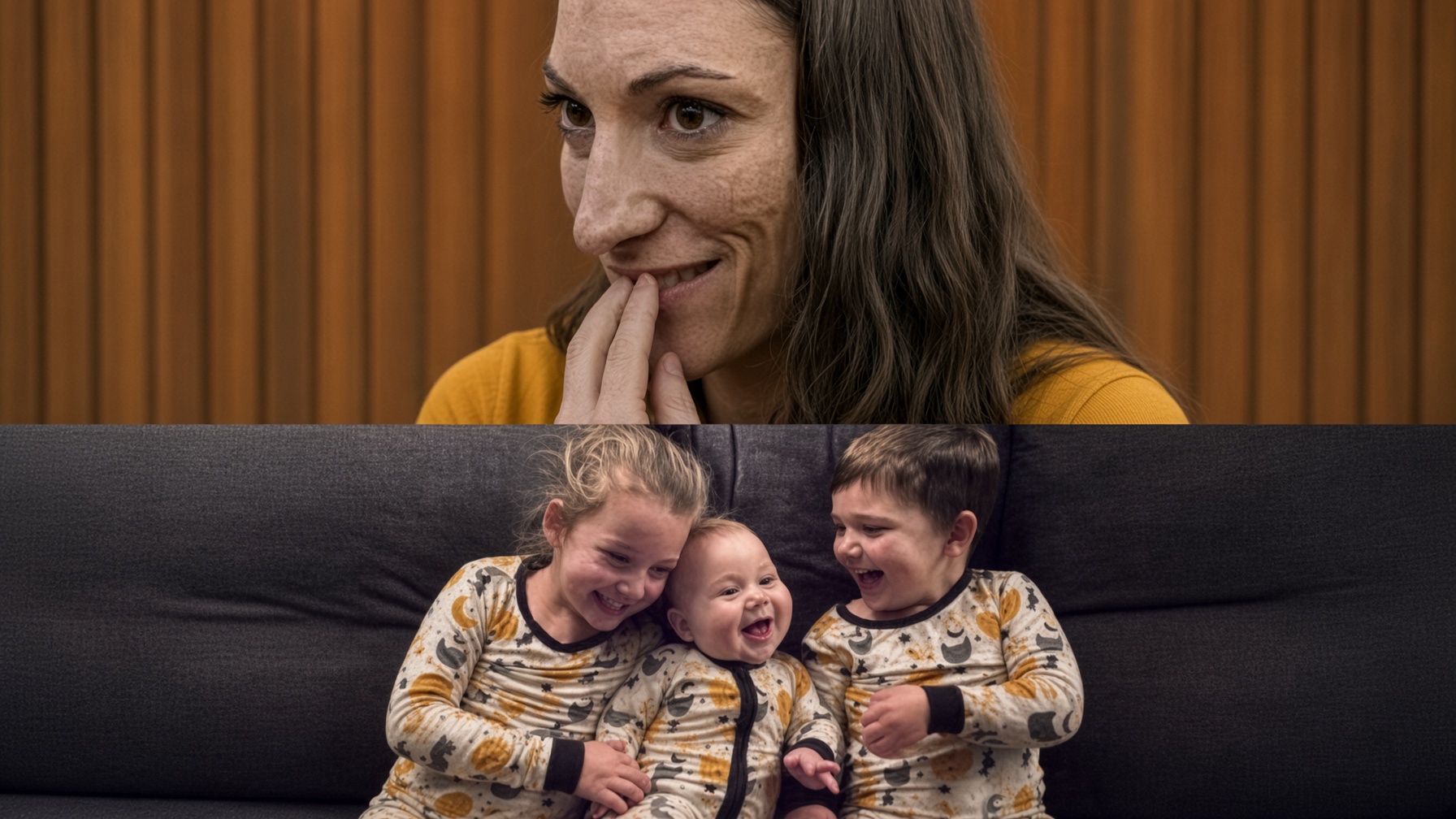
Clancy, who appeared in a wheelchair, was brought to the sidebar area during the proceedings. According to reports from ABC, prosecutors and defense attorneys visibly disagreed over how the situation should be handled.
After completing the individual inquiries, Sullivan brought the entire jury back together and delivered another instruction emphasizing the legal standards governing its deliberations.
The judge reminded jurors that they must follow the law as explained by the court, stressing that Clancy remained presumed innocent and that prosecutors carried the burden of proving guilt.
“You are required to follow my instructions on the law as I gave them,” Sullivan told the panel.
He also reiterated that every defendant is presumed innocent unless proven guilty and that the prosecution must satisfy its burden of proof. Following the instruction, jurors returned to the deliberation room to continue their discussions.
🔥 Defense Seeks Removal of Holdout Juror
The dispute escalated after the jury left the courtroom, when Reddington formally urged Sullivan to remove the juror he believed was preventing the panel from reaching a verdict.
The defense attorney argued that the issue went beyond a disagreement over how to interpret the evidence. According to Reddington, the juror was refusing to follow the judge’s instructions on reasonable doubt.
“My motion is to remove this juror that refuses to listen to your instruction on reasonable doubt,” Reddington told the court.
The defense sought to have the juror replaced by an alternate, a move that could have significantly altered the course of deliberations.
Prosecutor Jennifer Sprague strongly opposed the request, warning that the court could not reliably determine which juror, if any, was misunderstanding the law based solely on the wording of the jury’s note.
“There’s no way to determine what the deliberations are, who’s correct, who’s incorrect, and nor should we attempt to,” Sprague argued.
Her position reflected a central concern in cases involving divided juries: judges must avoid improperly investigating the substance of confidential deliberations or pressuring jurors to abandon sincerely held conclusions.
⚖️ Sullivan Declines to Intervene
Sullivan ultimately refused to side with either the defense or prosecution regarding the apparent disagreement among jurors.
“I don’t feel that it is proper for me to side with one side or the other of the deliberations,” the judge said. He added that it would not be appropriate to declare agreement with one juror or the other 11.
The decision leaves the jury intact and places the responsibility for reaching a verdict back in the hands of the original panel.
The case now faces a critical moment as jurors continue weighing the evidence under the court’s instructions. Whether they can overcome their disagreements remains uncertain.
For now, the judge’s decision does not resolve the underlying dispute or establish how individual jurors intend to vote. It does, however, underscore the court’s reluctance to interfere with deliberations simply because the panel may be sharply divided.
As the proceedings continue, the central question remains whether the jury can reach a unanimous decision or whether its persistent disagreement will prevent a verdict.