🚨 Trump Slams Chicago Leaders After Weekend Gun Violence Leaves 6 Dead, 39 Wounded as D.C. Crime Data Scandal Deepens
CHICAGO, Ill. — A deadly weekend of gun violence in Chicago has reignited the national debate over public safety, local leadership and the federal government’s role in combating violent crime, prompting President Donald Trump to sharply criticize Illinois officials and renew his calls for intervention.
According to the figures cited in reports of the weekend’s violence, at least six people were killed and 39 others wounded in separate shooting incidents across the city. The violence has intensified scrutiny of Chicago’s crime-prevention strategies while a separate controversy in Washington, D.C., raises questions about the accuracy of official crime statistics used to assess public safety.
The developments have placed Democratic city leaders under renewed political pressure as Trump argues that stronger federal action is necessary to address persistent violence in major American cities.
🔴 Juneteenth Gathering Shattered by Mass Shooting
One of the weekend’s most disturbing incidents unfolded Friday night in Chicago’s South Side Princeton Park neighborhood, where a gathering marking Juneteenth descended into chaos after gunmen opened fire.
According to preliminary accounts attributed to the Chicago Police Department, an SUV pulled alongside a crowd gathered outdoors before multiple occupants fired into the group. Thirteen people were struck by gunfire before the vehicle fled the scene.
Emergency responders rushed to assist the wounded, providing initial treatment before transporting victims to hospitals throughout Cook County. Although all 13 victims reportedly survived the initial shooting, several were said to be in critical condition.
The attack transformed a gathering intended to celebrate freedom, history and community into a scene of fear and devastation.
Chicago Mayor Brandon Johnson condemned the shooting, expressing sympathy for the victims and their families.
“I am heartbroken by the violence in Princeton Park,” Johnson said in a statement, describing the incident as a horrific act that shattered a night intended for celebration and reflection.
Investigators from the Chicago Police Department’s Area Two Detective Division continued examining evidence, while authorities worked to identify those responsible. According to the account provided, no arrests had been announced at the time of reporting.
The shooting has renewed concerns about the challenges facing neighborhoods affected by gun violence and the effectiveness of existing efforts to prevent deadly attacks.
🇺🇸 Trump Challenges Illinois Leadership
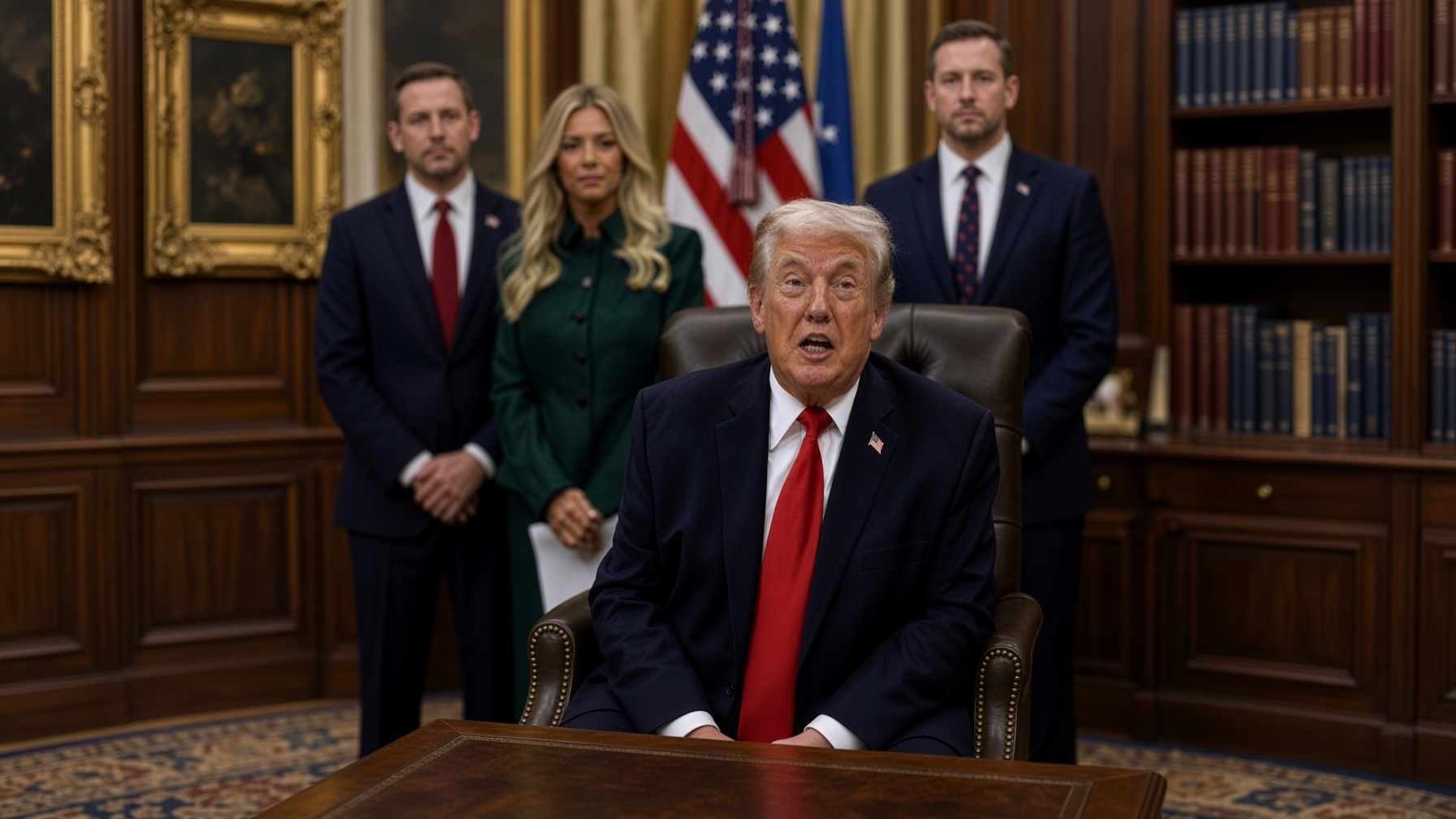
Trump responded to the violence with a pointed message on Truth Social, questioning why Illinois Gov. JB Pritzker had not requested federal assistance.
“Lots of Killing going on in Chicago,” Trump wrote, arguing that his administration could make the city significantly safer within a month.
The president also cited Washington, D.C., as an example of what he described as successful efforts to improve public safety, suggesting that federal intervention could produce similar results in Chicago.
His remarks renewed the possibility of a confrontation between the White House and Democratic leaders over the limits of federal authority in local law enforcement.
Pritzker and Johnson have opposed unilateral federal intervention, arguing that decisions about municipal policing should remain under local and state control. Their position reflects broader concerns that deploying federal personnel or National Guard forces without sufficient coordination could intensify tensions while failing to address the underlying causes of violence.
The dispute highlights a fundamental policy divide: Trump has emphasized a more forceful federal response, while his opponents argue that effective crime prevention requires cooperation with local authorities and sustained community-based strategies.
⚠️ Washington Crime Statistics Face Scrutiny
Trump’s claims about Washington’s public safety record have also drawn attention amid a separate scandal involving the Metropolitan Police Department.
According to the account provided, an internal investigation and congressional scrutiny uncovered instances in which serious offenses were allegedly downgraded in official police records, raising concerns about the reliability of reported crime figures.
The allegations include the reclassification of aggravated assaults and armed carjackings into less serious categories, potentially making violent crime totals appear lower than they otherwise would have been.
Disciplinary proceedings reportedly affected senior personnel, including Second District Commander Tatjana Savoy and former Third District Commander Michael Pulliam. The controversy has also placed renewed scrutiny on the department’s leadership under former Chief Pamela Smith.
If substantiated, the alleged manipulation could undermine public confidence in crime reporting and complicate efforts to evaluate policing strategies, allocate resources and determine whether crime-prevention programs are working.
Legal analyst Jeanine Pirro has also raised concerns about charging decisions in Washington, with reports describing federal prosecutors reviewing cases in which local authorities allegedly filed charges that did not adequately reflect the seriousness of the alleged offenses.
🏛️ A Growing National Debate Over Public Safety
The violence in Chicago and the controversy surrounding Washington’s crime data have intensified a wider debate over how American cities measure, prevent and respond to violent crime.
For residents, the immediate concern remains the safety of their neighborhoods and the need for accountability when shootings leave people dead or injured. For elected officials, the challenge is to demonstrate that public safety policies are effective and that the information used to assess them is trustworthy.
Trump has seized on the developments to argue for a stronger federal role, while Democratic leaders continue to resist approaches they view as excessive federal interference.
The central questions remain unresolved: whether tougher intervention can deliver lasting improvements, how local and federal authorities should divide responsibility, and how the public can trust crime statistics when allegations of manipulation emerge.
As investigations continue, the Chicago shootings and Washington controversy are likely to remain part of an increasingly contentious national conversation about policing, government accountability and the safety of American communities.
Note: Details concerning the reported casualty totals, personnel actions and alleged crime-record manipulation should be independently verified against official police statements and congressional findings before publication.